How to Choose a Coating System
A structured way to select a protective coating system: define service conditions, preparation and application limits, performance evidence and life-cycle cost before choosing a product.
Key takeaways
- Choose the system for the service, not the product for the system: define exposure, substrate, required life and constraints before looking at chemistries.
- The best-performing coating on paper fails if the site cannot achieve its surface preparation, environmental or cure requirements.
- Look for evidence — comparable service history, relevant test data and certifications — rather than marketing claims.
- Compare options on life-cycle cost per year of protection, not on price per gallon or installed cost alone.
Owners and specifiers are often asked to pick between products before anyone has written down what the coating must actually do. The result is either over-specification — expensive systems where simpler ones would serve — or under-specification that fails early. A structured selection process avoids both. This article walks through the questions to answer, in roughly the order they should be answered. For a quick starting point, the coating selector narrows options by exposure and substrate.
Start with the service environment
Exposure is the single biggest driver of system choice. Define it as precisely as possible:
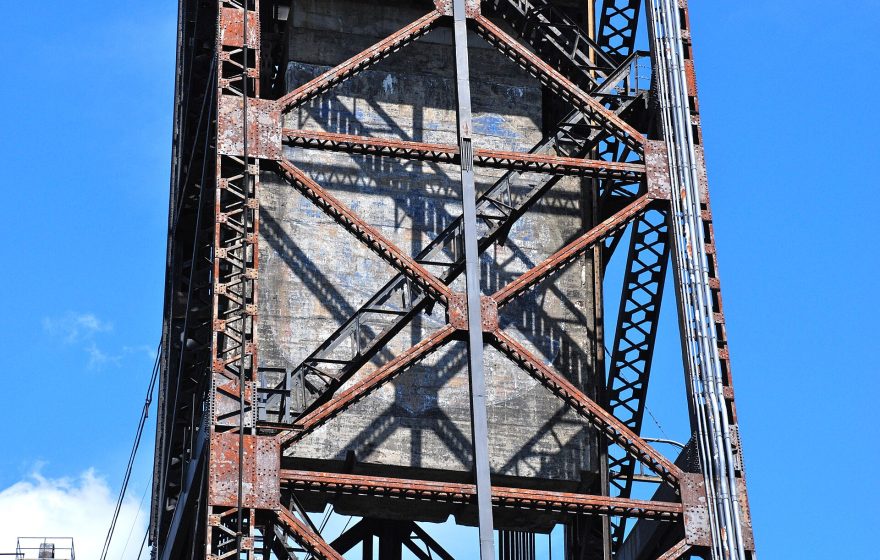
- Atmospheric exposure. Classify by ISO 12944 corrosivity category, from very low (C1) to very high and extreme (C5, CX), considering salt, industrial pollution, humidity and condensation.
- Immersion or buried service. Fresh water, seawater, wastewater, soil, and whether cathodic protection will be used.
- Chemical exposure. Specific chemicals, concentrations, temperatures and whether exposure is splash, spill or continuous immersion.
- Temperature. Normal and upset operating temperatures, thermal cycling and cold-wall effects in tanks.
- Mechanical service. Abrasion, impact, foot or vehicle traffic.
- Regulatory and appearance needs. Potable water contact, food zones, VOC limits, color and gloss retention.
Then set the durability target — how long until first major maintenance — because a system meant to last a few years and one meant to last decades are different designs.
Substrate and surface preparation limits
The coating must suit the substrate: carbon steel, galvanized steel, stainless steel, aluminum, concrete or existing coatings each have their own requirements. Just as important is the preparation that can realistically be achieved. A high-performance immersion lining may require abrasive blasting to near-white metal with a defined profile and low soluble salts. If the site cannot accommodate blasting — because of operations, containment or access — a surface-tolerant system designed for lower preparation grades may outperform a nominally superior product applied over inadequate preparation.
Application and schedule constraints
- Environmental conditions. Minimum application temperature, humidity limits and dew point margin.
- Cure and return to service. How long the owner can wait before the area is back in use.
- Recoat windows. Short windows between coats can be hard to meet on large structures.
- Equipment and skills. Plural-component systems need specialized rigs and trained operators.
- Shop or field. Shop application allows controlled conditions; field touch-up must be compatible.
- Health, safety and odor. Occupied buildings and food areas may rule out some chemistries during operations.
Matching generic systems to needs
The table lists generic systems commonly considered for some typical needs. It is a starting point only; final selection depends on the specific conditions and the manufacturers’ data. Understanding the roles of primer, intermediate and topcoat — see anatomy of a coating system — helps when comparing options.
| Need | Generic systems often considered | Notes |
|---|---|---|
| Atmospheric steel, moderate corrosivity | Epoxy or zinc-rich primer, epoxy intermediate, polyurethane topcoat | Widely used; topcoat chosen for color and gloss retention |
| Atmospheric steel, severe corrosivity or long life | Zinc-rich primer systems, galvanizing plus coatings, polysiloxane or fluoropolymer topcoats | Higher DFT and more coats are typical |
| Water and wastewater immersion | High-build or high-solids epoxies, some polyurethane and polyurea linings | Potable water contact usually requires NSF/ANSI/CAN 61 certification |
| Chemical immersion or secondary containment | Novolac epoxy, vinyl ester, phenolic linings | Check chemical resistance for the exact chemical and temperature |
| Concrete floors | Epoxy, urethane cement, MMA, polyaspartic | Moisture, temperature and downtime drive the choice |
| High-temperature steel | Silicone and inorganic zinc systems | Rated by maximum service temperature |
Weighing performance evidence
Ask for evidence that relates to your conditions:
- Service history on comparable structures in a similar environment, ideally with contacts who can confirm it.
- Test data relevant to the exposure, such as cyclic corrosion, immersion, chemical resistance or abrasion tests. Accelerated tests help compare products but do not translate directly into years of service.
- Certifications where required, such as NSF/ANSI/CAN 61 for potable water.
- Product data sheets — volume solids, DFT range, cure schedule, recoat windows and application limits. See product data sheets explained.
Mixing products from different manufacturers within one system is a common source of compatibility problems and complicates warranties. Where possible, use a system tested and supported as a whole.
Comparing cost over the service life
Installed cost is dominated by labor, access and surface preparation, not by the coating itself. A more durable system often costs only modestly more to install and can greatly extend the interval before maintenance. Life-cycle cost analysis captures this.
Hypothetical example. System A costs 100 units to install and is expected to need major maintenance after 10 years. System B costs 130 units and is expected to last 20 years. Ignoring inflation and discounting, A costs about 10 units per year of protection and B about 6.5. Adding the owner’s downtime and access costs for each maintenance cycle usually widens the gap. Real analyses should use realistic life estimates and the owner’s financial assumptions.
A selection checklist
- Define the service. Exposure, temperature, mechanical demands and regulatory needs.
- Set the durability target. Years to first major maintenance.
- Confirm preparation and application limits. What the site, schedule and crews can achieve.
- Shortlist generic systems. Use the table above, the comparison pages and manufacturer input.
- Review evidence. Service history, relevant tests and certifications.
- Compare life-cycle cost. Include access, downtime and maintenance cycles.
- Document the basis. Record why the system was chosen so future maintenance teams understand it.
Involve the applicator early on unusual systems. Contractors who install a system regularly can flag practical problems — tight recoat windows, sensitivity to humidity, equipment demands — before they are locked into a specification.
Frequently asked questions
Is the most expensive coating always the best choice?
No. The best system is the one that meets the service requirements with achievable preparation and application, at the lowest life-cycle cost.
How much does surface preparation matter compared with product choice?
Enormously. Most premature failures relate to preparation and application rather than the product. A good system over poor preparation rarely performs as designed.
Should one manufacturer supply the whole system?
It is common practice because it simplifies compatibility and warranty responsibility, though not mandatory.
Educational reference. Coating performance varies by formulation. Always follow the manufacturer’s product data sheet, safety data sheet and your project specification.