Novolac Epoxy Coatings
Novolac epoxies pack more reactive sites into each resin molecule, producing denser, higher-temperature films for tank linings, containment and chemical service.
Key takeaways
- Epoxy novolac resins carry more than two epoxide groups per molecule, so they cure into a denser network than standard bisphenol epoxies.
- The payoff is better resistance to acids, many solvents and higher service temperatures, plus a higher glass transition temperature.
- The trade-offs are greater brittleness, shorter recoat windows and, for some products, the need for heat to reach full cure.
- Novolacs are the standard upgrade for tank linings, secondary containment and chemical-plant floors.
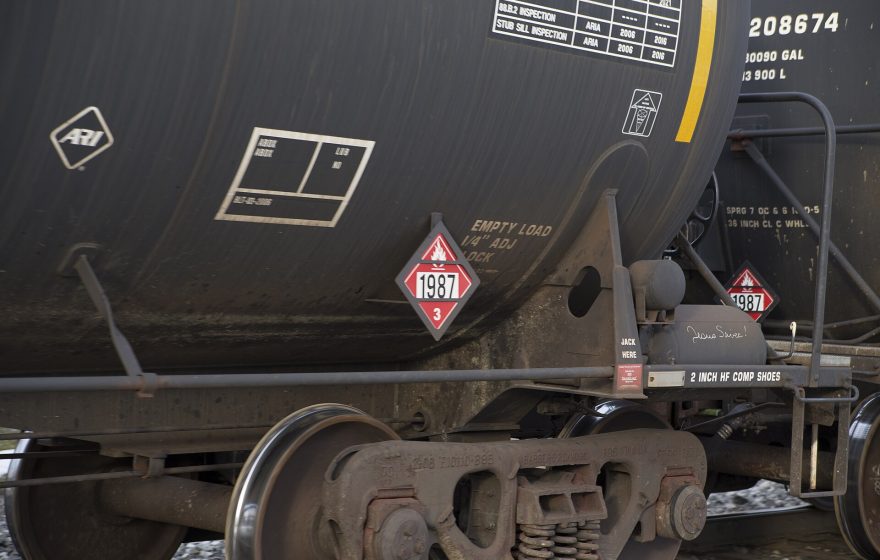
When a standard epoxy coating is not quite tough enough for the chemical or temperature involved, the next step up is very often a novolac epoxy. These coatings are used to line crude oil, fuel and chemical storage tanks, protect concrete in acid-handling areas and coat the interiors of rail cars and process vessels.
The name refers to the resin, not to a separate class of coating. A novolac epoxy is still a two-component, amine-cured epoxy — it simply uses a resin with more reactive sites.
What makes novolac different
Conventional epoxy resins based on bisphenol A or F have about two epoxide groups per molecule. Epoxy novolac resins are made by reacting a phenol-formaldehyde novolac with epichlorohydrin, giving molecules with roughly two and a half to four or more epoxide groups each. When these resins react with a curing agent, every molecule can link to more neighbors.
The result is higher crosslink density, which brings three linked benefits: a higher glass transition temperature, lower permeability and better resistance to chemicals that swell or penetrate standard epoxies. Formulators often blend novolac with bisphenol F resin to balance resistance against flexibility and viscosity.
Curing agents
Novolac resins are typically paired with cycloaliphatic or aromatic amines, or modified versions of these, chosen for chemical resistance rather than flexibility. Polyamide hardeners, common in general-purpose epoxies, are less often used because they reduce resistance. See epoxy curing agents for how the hardener shapes the final film.
Novolac versus standard epoxy
| Property | Bisphenol A/F epoxy | Novolac epoxy |
|---|---|---|
| Epoxide groups per molecule | About 2 | Roughly 2.5 to 4+ |
| Crosslink density | Moderate | High |
| Acid resistance | Fair to good (dilute) | Good to very good, incl. many stronger acids |
| Solvent resistance | Moderate | Better, incl. many aromatics and some alcohols |
| Service temperature | Lower | Higher; varies by product and exposure |
| Flexibility and impact | Better | Lower; more prone to cracking |
| Recoat window | Usually longer | Often shorter |
Actual temperature ratings depend heavily on whether the exposure is dry heat, immersion or vapor, and on the medium. Product data sheets and chemical resistance charts give ratings for specific services and should be followed.
Common applications
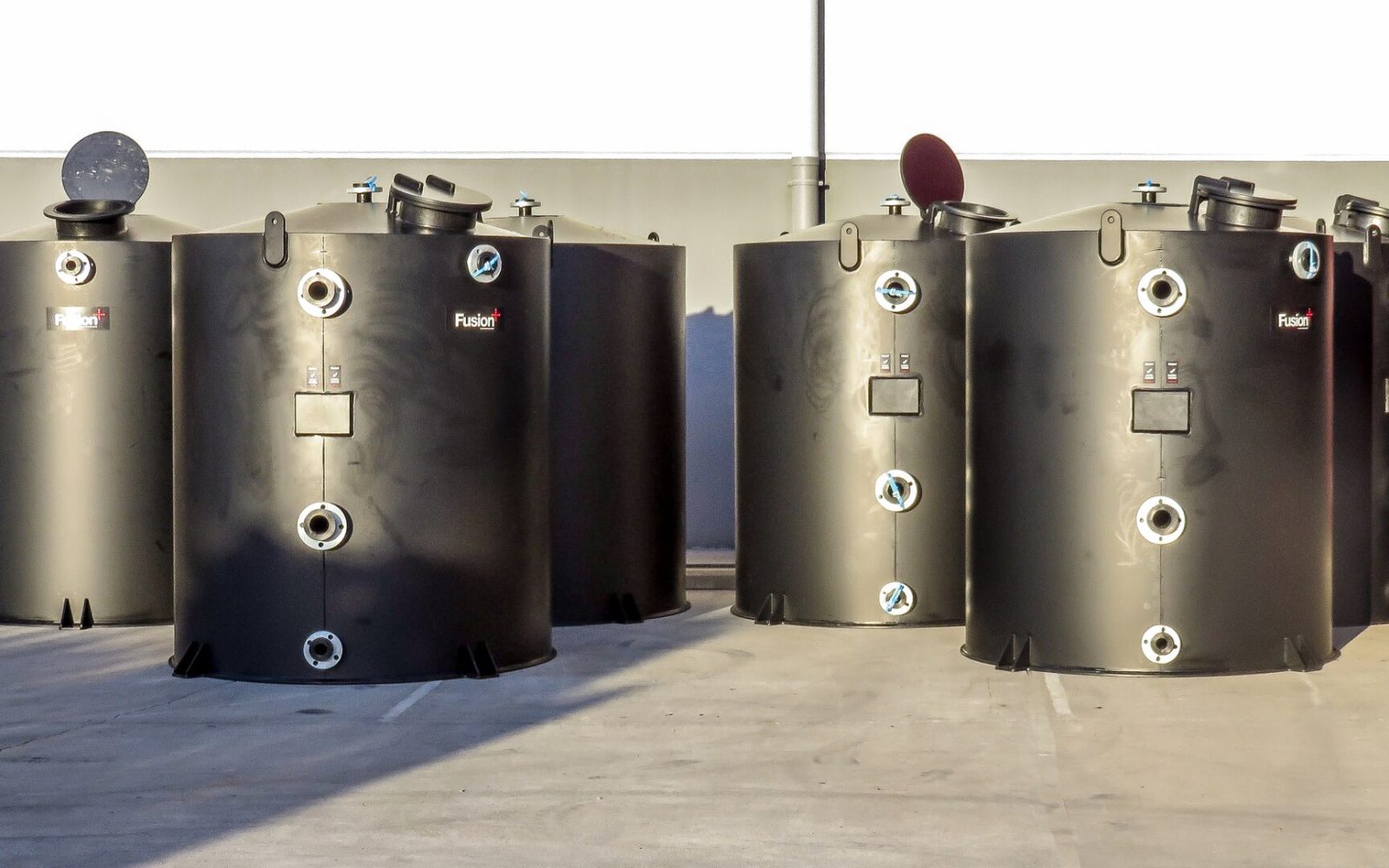
- Storage tank linings for crude oil, refined fuels, biofuel blends and many process chemicals, frequently as thick-film or 100% solids systems.
- Secondary containment around acid and chemical tanks, where spills of concentrated sulfuric acid or solvents must be held until cleanup.
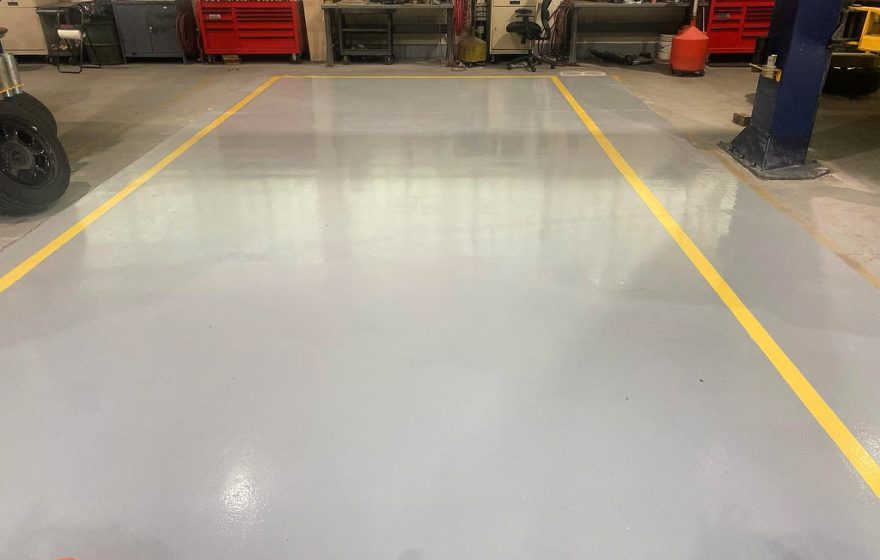
- Chemical plant floors and trenches exposed to spills, washdown and hot water.
- Wastewater and sewer structures exposed to hydrogen sulfide and the sulfuric acid it generates.
- Process vessels and rail car linings where a cargo or process stream is too aggressive for standard epoxy.
Advantages and limitations
Advantages
- Broader chemical resistance than standard epoxies
- Higher heat resistance and glass transition temperature
- Low permeability for immersion service
- Available in high-solids and solvent-free forms
- Strong adhesion to well-prepared steel and concrete
Limitations
- More brittle; can crack on flexing substrates or at high film build
- Short recoat windows raise the risk of intercoat delamination
- Some linings need forced or heat cure for full resistance
- Chalks and discolors in sunlight, like other epoxies
- Higher material cost than standard epoxies
Application and cure
Novolac linings are unforgiving of poor preparation. Steel for immersion service is usually blast cleaned to SSPC-SP 5/NACE No. 1 or SSPC-SP 10/NACE No. 2, with a sharp, angular profile in the range the product data sheet specifies — often 2.5–4 mils (65–100 µm) for thick linings. Soluble salts should be tested and kept below the specified limit, because osmotic blistering is a common failure in immersion.
Systems range from two or three coats of a high-solids product totaling roughly 12–20 mils (300–500 µm) to single- or two-coat, plural-component, solvent-free applications of 20–30 mils (500–750 µm) or more. A stripe coat on welds and edges is standard practice.
For linings that call for a force cure, plan the heaters, temperature logging and enclosure as part of the job schedule. A lining that only reaches ambient cure may pass a hardness check but fall short in hot or aggressive service.
Cure is strongly temperature dependent. Below the minimum temperature on the data sheet, the reaction can stall, leaving a film that looks hard but has poor resistance; it can also leave surface amine blush. Recoat windows are often short, and exceeding them typically requires abrasion before the next coat. Before service, inspectors verify dry film thickness, holiday test the lining and confirm cure by the method the specification requires.
Common failure modes
Most novolac lining failures trace back to a handful of causes: blistering from soluble salts or solvent retained in thick films, cracking where the film was applied far above the maximum thickness or over a flexing substrate, intercoat delamination after a missed recoat window, and chemical attack where the lining was undercured or simply mismatched to the cargo. Recording surface temperature, film thickness and cure conditions during the job makes any later investigation far easier, and a careful review of the cargo list against the resistance chart before selection prevents the last problem altogether.
Frequently asked questions
Is novolac epoxy the same as phenolic epoxy?
Not exactly. Epoxy novolac resins are made from a phenol-formaldehyde novolac, so some products are marketed as “phenolic” epoxies. True epoxy-phenolic linings blend epoxy with a phenolic resin and are covered under phenolic linings.
Can novolac epoxy be used outdoors?
It can protect exterior steel, but like all epoxies it chalks and fades in sunlight. Exterior surfaces are usually topcoated with a UV-stable finish.
Should I choose novolac epoxy or vinyl ester?
Novolac epoxies are usually favored for fuels, crude and many solvents. Vinyl esters are generally favored for strong oxidizing acids and bleach. The chemical resistance guides for the specific exposure should decide.
Educational reference. Coating performance varies by formulation. Always follow the manufacturer’s product data sheet, safety data sheet and your project specification.