Coating in Hot Weather
Heat shortens pot life, flashes off solvent before the film can flow and turns sun-baked steel into a hotplate. How to plan, apply and cure coatings safely when temperatures climb.
Key takeaways
- Coatings have a maximum surface temperature as well as a minimum; sun-exposed steel can be far hotter than the surrounding air.
- Heat accelerates both solvent evaporation and chemical cure, shortening pot life and recoat windows and promoting dry spray and poor flow.
- Hot surfaces can drive solvent and air out through the wet film, causing pinholes, bubbles and blisters — especially on concrete.
- Scheduling, shading, cool storage, smaller batches and the right thinner make hot-weather work manageable.
Hot weather may seem ideal for coating — dry surfaces, fast cure, no condensation worries. But heat brings its own set of problems. Coatings can dry before they flow into a continuous film, react in the pot before they reach the surface, and trap solvent or air under a skin that forms too quickly. Many coating defects attributed to “bad material” in summer are really temperature problems.
General principles of temperature, humidity and dew point are covered in environmental conditions for coating. This article focuses on high temperatures.
Maximum temperatures
Most product data sheets list a maximum surface temperature for application, and many coatings fall in the range of about 120–125 °F (49–52 °C), though some are lower and some specialty materials are higher. There may also be maximum material and air temperatures.
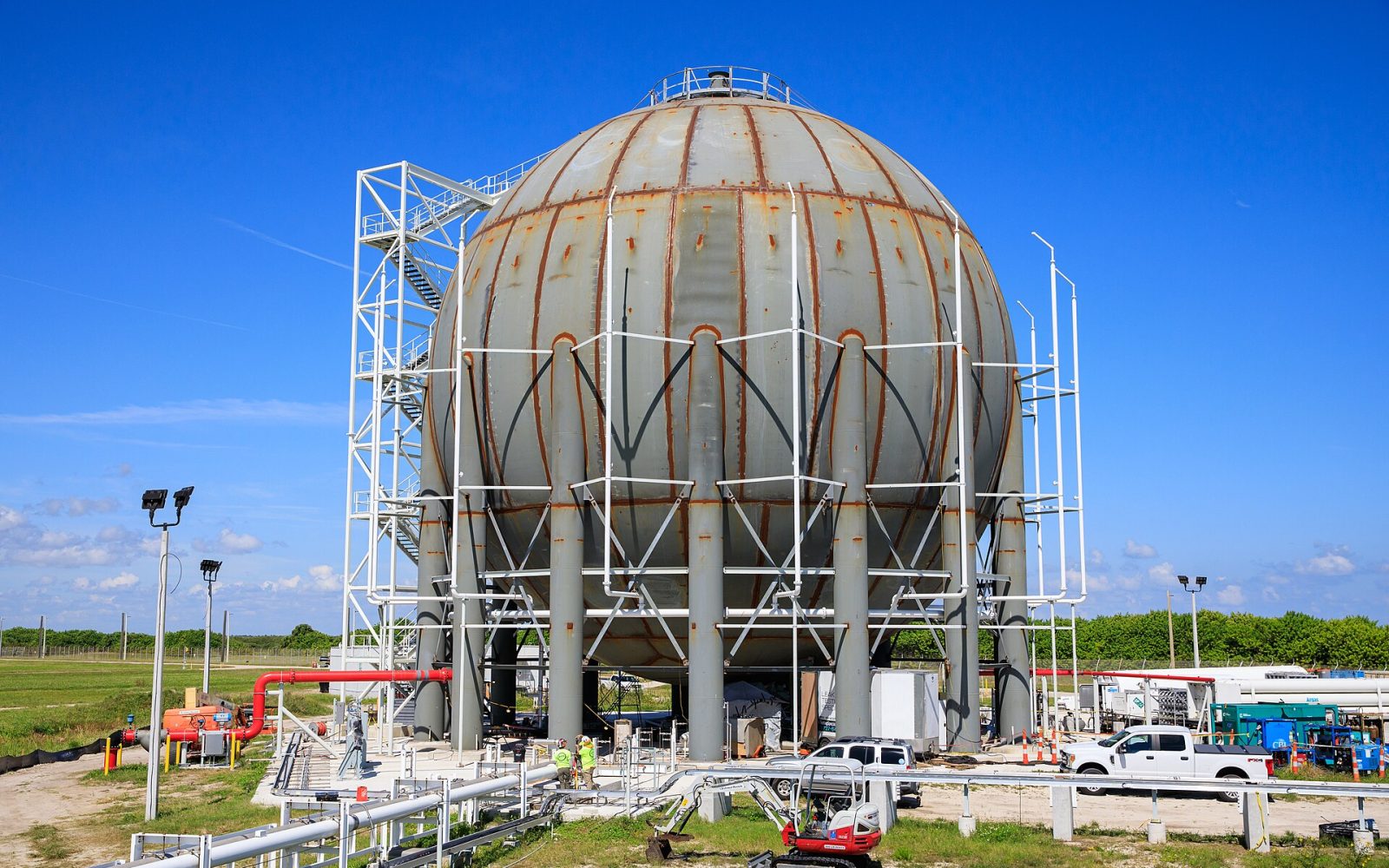
Steel exposed to direct sun can run tens of degrees hotter than the air, especially dark-colored or previously coated steel. Air temperature alone is a poor guide: measure the surface with a contact or infrared thermometer, ideally in several locations, since shaded and sunlit areas can differ greatly.
Surface temperature changes through the day as the sun moves. A tank wall that is acceptable at 8 a.m. may exceed the maximum by noon on the sunny side while the shaded side remains in range.
How heat affects coatings
Short pot life
Chemical cure speeds up with temperature, so mixed two-component material reaches the end of its pot life much sooner. Large batches compound the problem because reaction heat builds up in the mass. See mixing, induction time and pot life.
Dry spray and poor flow
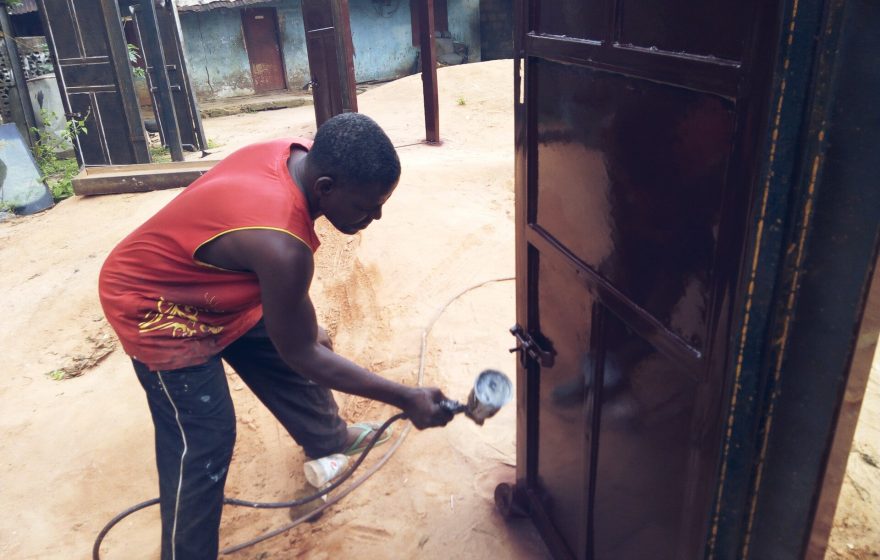
Solvents evaporate faster in heat, so atomized droplets can arrive at the surface partly dry. The result is dry spray — a rough, porous film with poor cohesion. Even when droplets arrive wet, the film may not have time to level and coalesce, leaving orange peel or lap marks.
Solvent entrapment and pinholing
A hot surface can cause the top of the film to skin over while solvent below is still trying to escape. Trapped solvent may later form bubbles, pinholes or blisters, or leave the film soft.
Outgassing from concrete
Concrete contains air in its pores. As the slab warms, that air expands and escapes through the wet coating, leaving pinholes and craters. Coating concrete while its temperature is falling — usually in the late afternoon or evening — helps reduce outgassing.
Shortened recoat windows
Maximum recoat times shrink in heat. A coating that can normally be topcoated within a week may need overcoating within a day or two in high temperatures, otherwise abrasion may be needed. See recoat windows.
Problems and countermeasures
| Problem | Cause | Countermeasure |
|---|---|---|
| Short pot life | Fast reaction in hot material | Mix small batches; keep material cool and shaded |
| Dry spray | Rapid solvent loss in flight | Reduce gun distance; slower thinner if approved |
| Pinholes and bubbles | Hot surface, skinning, outgassing | Coat as temperatures fall; mist coat if approved |
| Lap marks | Wet edge lost too quickly | Work smaller areas; maintain a wet edge |
| Surface over maximum | Direct sun on steel | Shade the work; schedule for cooler hours |
| Missed recoat window | Accelerated cure | Plan sequential coats closer together |
Strategies for hot-weather work
- Plan the timing. Coat early in the day, in the evening, or on the shaded side of a structure. For concrete, prefer falling temperatures.
- Keep materials cool. Store coatings in shade or air-conditioned storage and avoid leaving them in hot vehicles or in the sun.
- Mix small batches. Mix only what can be applied well within the shortened pot life.
- Shade the work. Tarps, enclosures and temporary shelters reduce surface temperature.
- Adjust the thinner. If the data sheet permits, use a slower-evaporating thinner within the allowed percentage. See thinning coatings correctly.
- Adjust technique. Move slightly closer with the gun, work smaller areas and keep a wet edge.
- Monitor continuously. Measure surface temperature throughout the day and stop when limits are exceeded.
Hot and humid climates
High temperatures often come with high humidity. Even on hot days, steel can fall below the dew point overnight and early in the morning, so dew point checks still matter. Coatings sensitive to moisture, such as some moisture-cure products, may cure too quickly or bubble in hot, humid conditions.
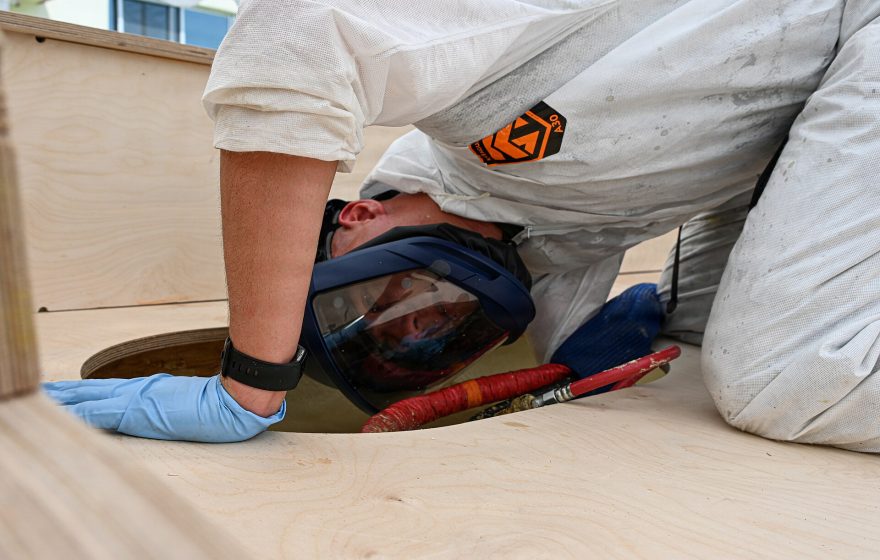
Heat stress is a serious hazard for applicators wearing coveralls and respirators. Follow the employer’s heat illness prevention program, local regulations and OSHA or equivalent guidance on water, rest and shade.
Frequently asked questions
Is there a maximum temperature for coating?
Yes. Most data sheets list a maximum surface temperature, often around 120–125 °F (49–52 °C), and sometimes maximum air and material temperatures.
Why do coatings pinhole in hot weather?
Hot surfaces cause rapid skinning that traps solvent, and warming concrete releases air through the wet film. Both create pinholes and bubbles.
Should I add more thinner in hot weather?
Not more thinner, but possibly a slower thinner within the data sheet limit. Extra thinner lowers solids and raises VOC without solving the cause.
When is the best time of day to coat concrete in summer?
Usually when the slab temperature is stable or falling, typically late afternoon or evening, to reduce outgassing.
Educational reference. Coating performance varies by formulation. Always follow the manufacturer’s product data sheet, safety data sheet and your project specification.