Dry Spray & Overspray
How dry spray forms porous, poorly fused films and overspray lands where it shouldn't, how to spot and remove both, and how to prevent them.
Key takeaways
- Dry spray is a rough, porous, poorly fused film formed when atomized droplets lose too much solvent before reaching the surface.
- Overspray is coating that lands outside the intended area — on adjacent surfaces, previously coated areas, or nearby property.
- Both stem mainly from gun distance, atomizing pressure, wind, heat and fast solvents, and they are worst on complex steel and around obstructions.
- Dry spray must be removed before overcoating; topcoat applied over it can delaminate, pinhole or bubble.
Dry spray and overspray are closely related spray application defects. Both come from droplets that either dry too much in flight or travel where they were not meant to go. Dry spray compromises film integrity on the work itself, while overspray can damage other coated surfaces and third-party property such as vehicles, buildings and equipment downwind of a project.
What dry spray and overspray look like
Dry spray
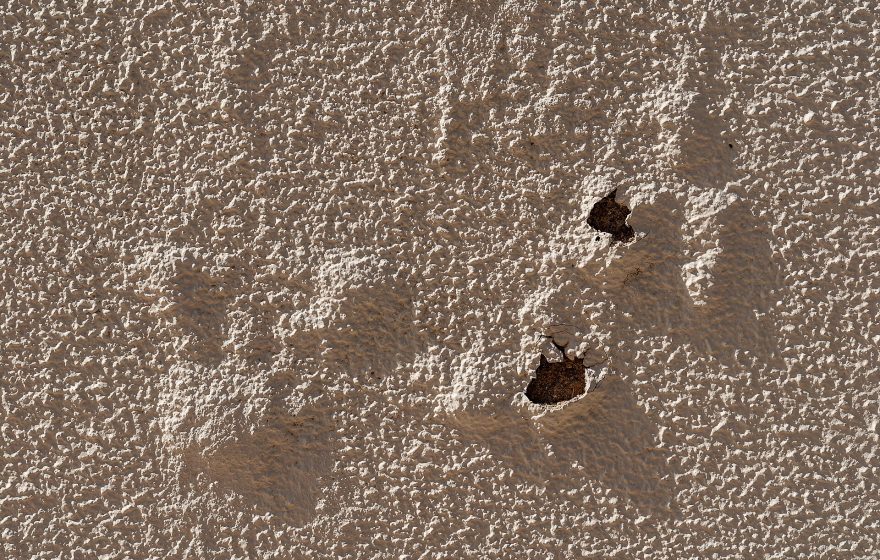
- A rough, sandpaper-like texture, often with low or patchy gloss.
- A dusty or powdery surface that comes off on a hand or cloth.
- Under magnification, separate spherical particles that have not flowed together.
- Commonly found at the edges of spray patterns, at the end of reach, on the far side of beams and around flanges and stiffeners.
Overspray
- A speckled or hazy deposit on surfaces near the work area.
- Fine dots on vehicles, glass and buildings downwind, sometimes far from the project.
- A gritty, poorly bonded layer on top of previously coated areas that were not protected.
Dry spray is easy to confuse with orange peel. Orange peel is a continuous, smooth film with texture; dry spray is a granular deposit that has not fused.
Why it matters
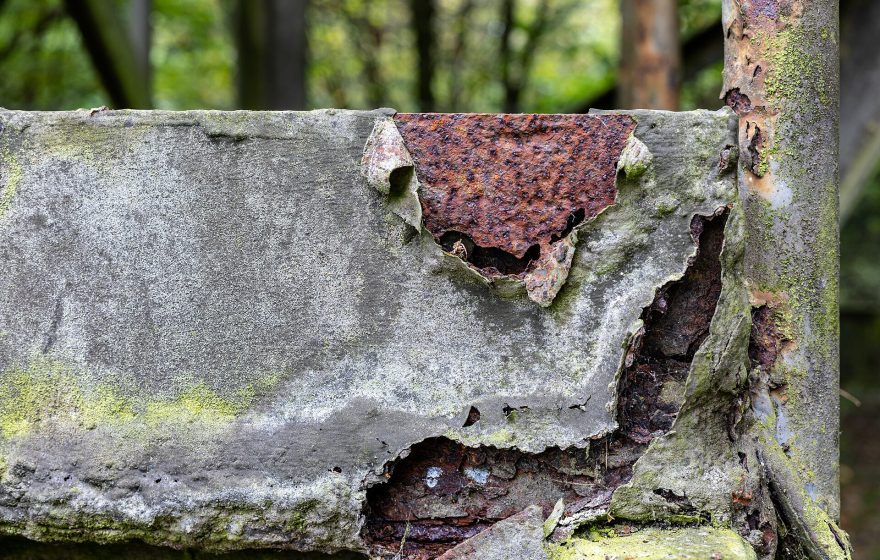
Dry spray is not just cosmetic. A porous layer has reduced barrier properties and low cohesive strength. When a subsequent coat is applied over it:
- Air trapped in the porous layer can rise through the wet topcoat, producing bubbles and pinholes.
- The topcoat bonds to loose particles rather than to a sound film, leading to intercoat delamination.
- Dust and contamination trapped in the rough surface can initiate early failures in immersion service.
Zinc-rich primers, especially inorganic zinc silicates, are particularly prone to dry spray because of their high pigment loading and fast-evaporating solvents. See inorganic zinc silicate primers.
Causes and diagnosis
| Cause | Clues | Check | Prevention |
|---|---|---|---|
| Gun too far from surface | Dry spray at extremes of reach | Observe distance; check access | Keep gun at recommended distance; improve access |
| Excessive atomizing pressure | Large overspray cloud, bounce-back | Pump or air pressure settings | Use lowest pressure that gives a full pattern |
| Wind and air movement | Overspray downwind, dry spray on exposed areas | Wind speed and direction log | Wind screens; stop work above spec wind limit |
| Hot surface or air | Worse in afternoon or in direct sun | Surface temperature readings | Shade work; schedule cooler hours; slower thinner |
| Fast-evaporating solvent | Granular finish across whole area | Thinner type used | Use the data sheet’s recommended thinner |
| Spray angle / complex geometry | Dry spray on back sides of members | Inspect hidden faces, inside corners | Spray each face directly; plan sequence |
| Unprotected adjacent surfaces | Overspray on finished coats, equipment | Masking and containment records | Mask, tarp and sequence work |
Field checks
- Hand or cloth rub. Running a clean hand or white cloth over the surface picks up loose dry spray particles.
- Close visual examination with a magnifier and low-angle light.
- Tape test. Pressing and removing adhesive tape shows loose particles; a cross-cut test per ASTM D3359 can reveal weak cohesion.
- Look at hidden faces. Check the backs of flanges, inside corners and areas behind obstructions, which are where dry spray hides.
Inspect for dry spray before approving each coat, not after the topcoat. Once dry spray is buried, you can only find it by destructive testing or when the topcoat fails.
Repair
Removing dry spray
- Identify the extent. Map affected areas using the rub test and visual inspection.
- Remove loose material. Sand, screen, wire brush or use abrasive pads to remove the dry spray down to a sound, fused film. On zinc primers, light screening or brushing is common; follow the manufacturer’s guidance.
- Clean. Blow down with clean, dry air and vacuum or wipe off dust.
- Check thickness. Verify that the remaining film meets the specified minimum; add a coat if needed.
- Overcoat within the recoat window. A thin mist coat followed by a full coat is sometimes recommended over porous primers to reduce bubbling.
Dealing with overspray
On project surfaces, overspray landing on coated areas is treated like dry spray: remove it before overcoating. Overspray on third-party property needs prompt, careful handling. Removal methods depend on the surface and the coating, and may include gentle mechanical methods or compatible cleaners applied by specialists. Aggressive solvents or abrasives can damage vehicle finishes or glass, so document the damage and engage qualified detailers or restorers.
Fast-curing products such as polyurea and many polyurethanes can travel considerable distances in the wind and bond firmly to whatever they hit. Plan containment and monitor wind continuously on exterior spray work.
Prevention
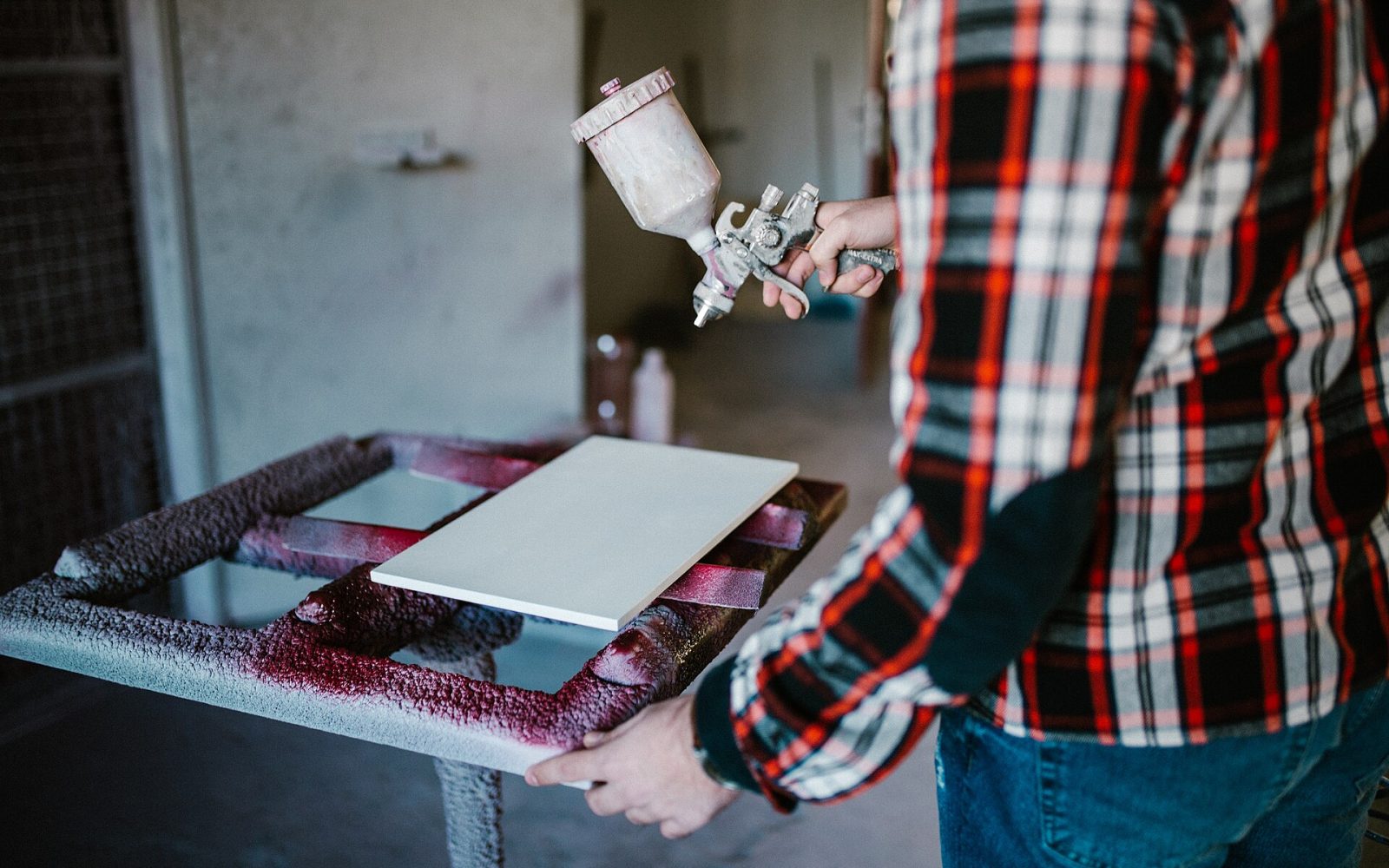
- Use correct spray gun technique: consistent distance, perpendicular gun angle and appropriate overlap.
- Set the lowest pressure that produces a fully atomized, even pattern.
- Plan the spray sequence on structural steel so every face is sprayed directly.
- Use wind screens, tarps and containment, and set wind limits in the work plan.
- Mask or protect adjacent finished surfaces, and sequence work so new coats are not sprayed over freshly finished areas.
- Shade surfaces or work during cooler periods in hot weather, using the manufacturer’s slower thinner where allowed.
Frequently asked questions
Can dry spray be fixed by overcoating it?
No. Loose dry spray must be removed first, or the new coat may bubble, pinhole or delaminate.
Is dry spray acceptable on non-critical surfaces?
Light dry spray on a finish coat may be tolerated in some low-exposure areas, but it reduces durability and appearance. Follow the specification.
Who is responsible for overspray damage?
Contract terms and insurance usually govern this. Contractors typically carry the responsibility and should document conditions before and during work.
Educational reference. Coating performance varies by formulation. Always follow the manufacturer’s product data sheet, safety data sheet and your project specification.