Inorganic Zinc Silicate Primers
Inorganic zinc silicate primers bond zinc dust in a ceramic-like silicate binder, giving steel galvanic protection, heat resistance and outstanding durability.
Key takeaways
- Inorganic zinc (IOZ) primers combine a high loading of zinc dust with a silicate binder that cures into a hard, inorganic matrix.
- The zinc protects steel galvanically, much like galvanizing, and the film tolerates heat up to roughly 750 °F (400 °C).
- They need near-white blast cleaning, controlled film thickness and the right humidity to cure.
- Topcoating their porous surface requires care to avoid pinholes and bubbling.
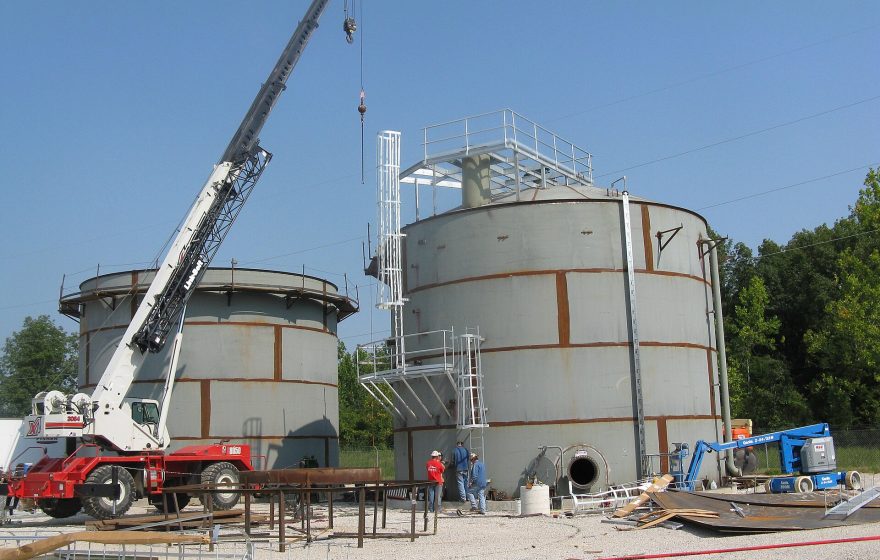
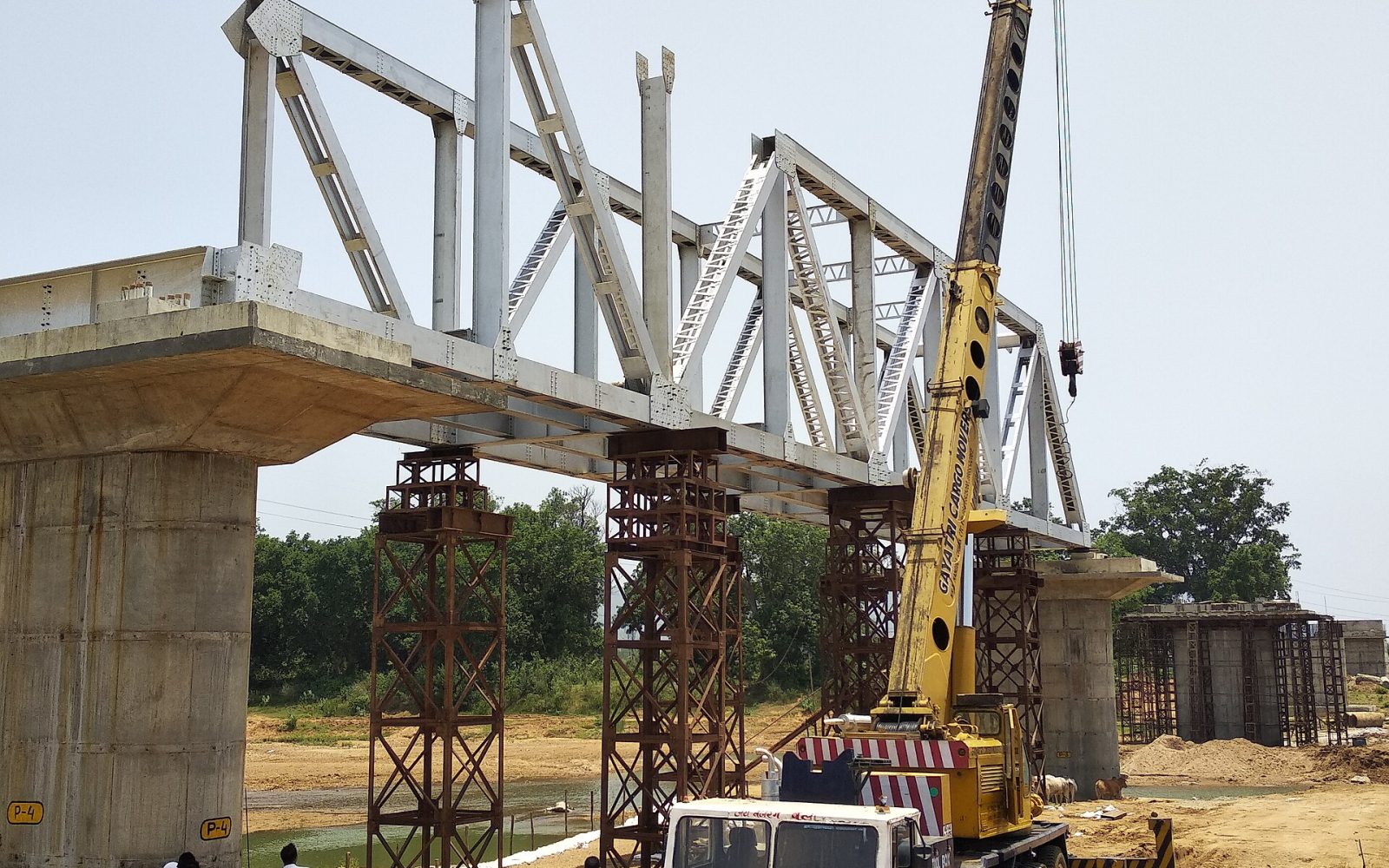
Inorganic zinc silicate primers have protected bridges, offshore structures, tank exteriors, power plants and shipping containers for decades. Used alone or as the first coat of a multi-coat system, they offer some of the longest service lives available from a liquid-applied coating.
They belong to the broader family of zinc-rich primers, which also includes organic zinc primers in epoxy or urethane binders. The inorganic versions are more demanding to apply but generally give better galvanic performance and heat resistance.
How inorganic zinc works
An IOZ primer is mostly zinc by weight in the dry film. Particles must touch each other and the steel so that current can flow, allowing zinc to corrode preferentially and protect small areas of exposed steel. This is the same principle as galvanic corrosion, harnessed deliberately.
Over time, zinc corrosion products such as zinc oxide and zinc carbonate fill the pores of the film, making it denser and adding barrier protection. The silicate binder chemically bonds to the steel and to the zinc, forming a hard, abrasion-resistant film that is unaffected by many solvents and by sunlight.
Types of inorganic zinc
| Type | Binder | Cure mechanism | Notes |
|---|---|---|---|
| Solvent-borne ethyl silicate | Partially hydrolyzed ethyl silicate | Reaction with atmospheric moisture | Most common in field work; needs adequate humidity |
| Waterborne alkali silicate | Potassium, sodium or lithium silicate | Water loss and reaction with CO₂ | Very low VOC; needs warm, drier air to cure |
| Post-cured waterborne | Alkali silicate | Separate acidic curing solution | Older shop process; now less common |
SSPC-Paint 20 classifies zinc-rich primers into inorganic (Type I) and organic (Type II) types, with levels based on zinc content in the dry film. Specifications often reference it.
Advantages and limitations
Advantages
- Galvanic protection that limits undercutting at damage
- Excellent long-term durability, alone or topcoated
- Heat resistance to roughly 750 °F (400 °C)
- Hard, abrasion-resistant and solvent-resistant
- Many products qualify for slip-critical bolted connections
Limitations
- Requires near-white or white metal blast cleaning
- Mud-cracks if applied too thick
- Cure depends on humidity or temperature
- Porous surface causes topcoat pinholing
- Zinc is attacked by acids and strong alkalis
Surface preparation, application and cure
IOZ primers bond chemically to clean steel, so cleanliness is non-negotiable. Abrasive blasting to SSPC-SP 10/NACE No. 2 is a common minimum, and some specifications call for SSPC-SP 5/NACE No. 1. A sharp, angular profile commonly in the range of about 1.5–3 mils (40–75 µm) is typical; check the data sheet.
- Mix thoroughly. Add zinc powder to the liquid binder slowly with continuous power mixing, then strain.
- Agitate during spraying. Zinc is heavy and settles quickly; continuous agitation keeps the mixture uniform.
- Apply evenly. Spray to the specified thickness, typically 2–4 mils (50–100 µm) dry, avoiding heavy buildup in corners.
- Control conditions. Ethyl silicates typically need relative humidity of about 50% or more to cure; some data sheets suggest water misting in dry conditions.
- Confirm cure. Test before topcoating, commonly by the MEK solvent rub method of ASTM D4752.
Exceeding the maximum dry film thickness is the most common IOZ failure. Thick films shrink as they cure and develop mud cracking that can extend to the steel. Overspray in inside corners is a frequent culprit.
Topcoating and service limits
IOZ can be left untopcoated in many atmospheric exposures and in some neutral immersion services, such as certain solvent and fuel tanks. Zinc is attacked outside a roughly neutral pH range, so topcoats are needed in acidic or alkaline environments and where appearance matters.
The porous zinc surface contains air that can escape through a wet topcoat, causing bubbles and pinholes. The usual remedy is a mist coat: a thin, often thinned pass of the intermediate coat that penetrates and seals the pores, followed after a short flash by the full coat. Some manufacturers supply a dedicated tie coat. Zinc salts that form on aged, untopcoated IOZ must be washed off before topcoating.
IOZ is also widely used under silicone high-heat coatings and as a shop primer for structural steel.
Slip-critical connections
In bolted steel connections designed as slip-critical, the faying surfaces must provide a minimum friction (slip) coefficient. In North America, coatings for these surfaces are qualified by testing under the Research Council on Structural Connections (RCSC) specification, and many IOZ primers achieve the higher Class B rating when applied within their tested thickness. Specifiers should request the slip test certificate and note the maximum thickness at which it is valid, because exceeding it can void the rating.
Repairing damaged IOZ
Field damage and welds are usually repaired with an organic zinc-rich epoxy rather than inorganic zinc, because IOZ is difficult to apply to small, localized areas with power-tool preparation. The repair product should be approved by the manufacturer for compatibility with the surrounding system.
Frequently asked questions
Is inorganic zinc the same as galvanizing?
No, but they protect steel in a similar way. Galvanizing is a metallurgically bonded zinc layer; IOZ is zinc dust bound in a silicate binder, applied like paint.
Can inorganic zinc be applied over old coatings?
No. It must go on clean, blast-cleaned steel. For maintenance over existing paint, surface-tolerant or organic zinc products are used instead.
How do I know an ethyl silicate zinc is cured?
The MEK rub test in ASTM D4752 is the common field method. The data sheet states the rating needed before topcoating.
Educational reference. Coating performance varies by formulation. Always follow the manufacturer’s product data sheet, safety data sheet and your project specification.