History of Coatings
From linseed oil to spray polyurea — an interactive timeline of the materials, science and rules that shaped protective coatings.
Prehistory
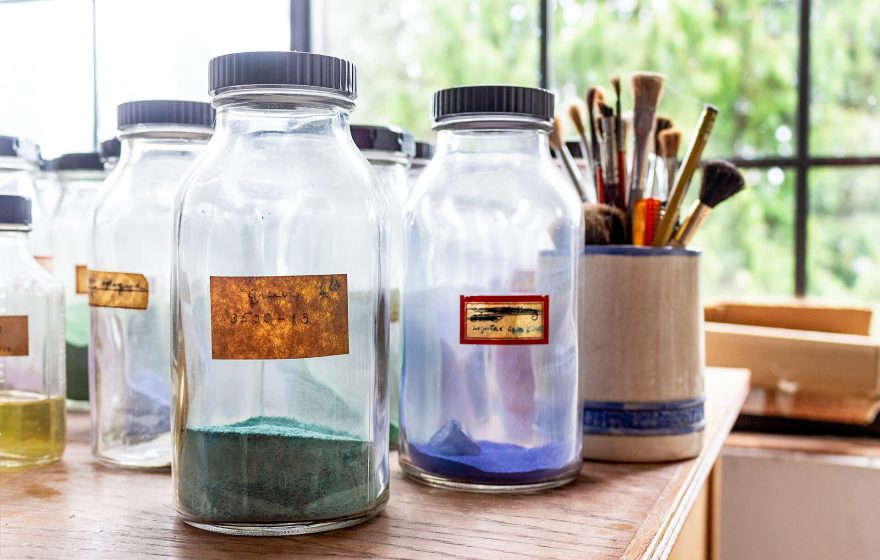
Natural pigments
Cave artists bind ochres, charcoal and minerals with water, fat or other natural binders — the oldest known “coatings”.
Read: Pigments & Fillers →
Antiquity
Oils, resins and lacquers
Ancient cultures use plant oils, natural resins and tree saps as varnishes and protective finishes on wood, ships and artworks.
Read: A History of Protective Coatings →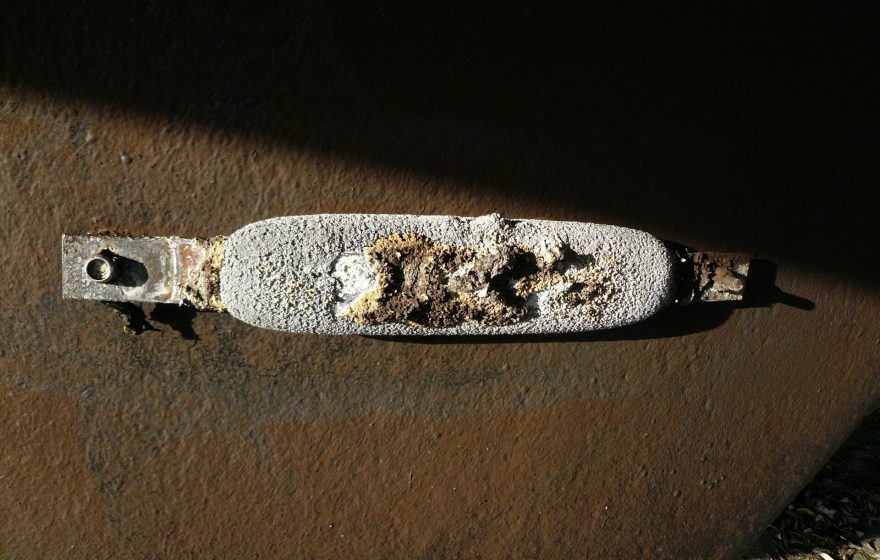
1824
Cathodic protection
Sir Humphry Davy proposes protecting the copper sheathing of Royal Navy ships with sacrificial iron or zinc — the birth of cathodic protection.
Read: Cathodic Protection →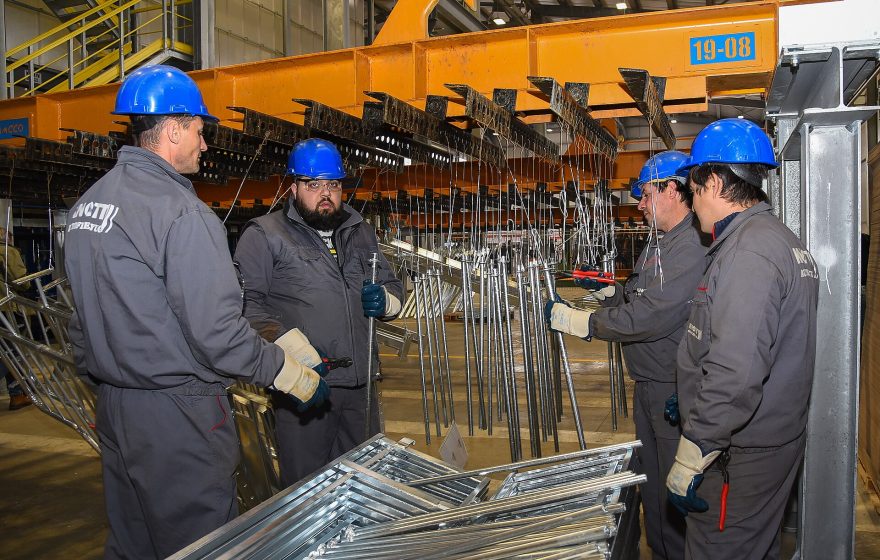
1837
Hot-dip galvanizing
French engineer Stanislas Sorel patents a process for coating iron with zinc by dipping it in molten zinc.
Read: Hot-Dip Galvanizing →
1927
Alkyd resins
Chemist Roy Kienle coins the term “alkyd” for oil-modified polyester resins that come to dominate paint for decades.
Read: Alkyd Coatings →
1930s
Inorganic zinc
Inorganic zinc silicate coatings are developed in Australia, giving steel galvanic protection from a paint.
Read: Inorganic Zinc Silicate Primers →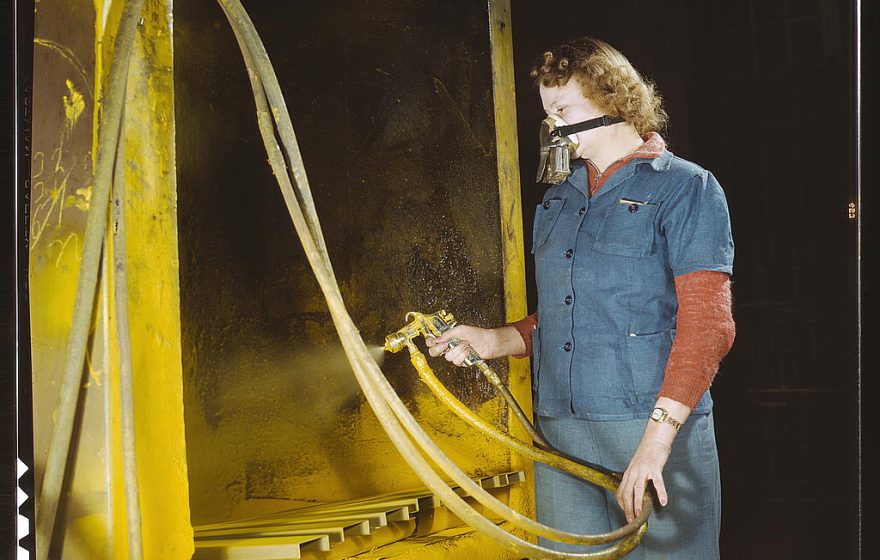
1937
Polyurethane chemistry
Otto Bayer and colleagues in Germany discover polyaddition chemistry of diisocyanates — the foundation of polyurethane and later polyurea.
Read: Isocyanate Chemistry →
1940s
Epoxy resins
Pierre Castan in Switzerland and Sylvan Greenlee in the US develop epoxy resins; commercial epoxy coatings follow by the late 1940s.
Read: Epoxy Coatings →
1943
NACE founded
The National Association of Corrosion Engineers is founded in the US, professionalizing corrosion control.
Read: AMPP, SSPC & NACE Explained →
Late 1940s
Latex paints
Post-war synthetic latex wall paints bring water-based coatings into homes; acrylic latexes follow in the 1950s.
Read: Acrylic Coatings →1950
SSPC founded
The Steel Structures Painting Council is formed to set standards for preparing and painting steel.
Read: AMPP, SSPC & NACE Explained →
1950s
Powder coating
Fluidized-bed powder coating is developed in Germany; electrostatic powder spraying spreads in the following decades.
Read: Powder Coatings →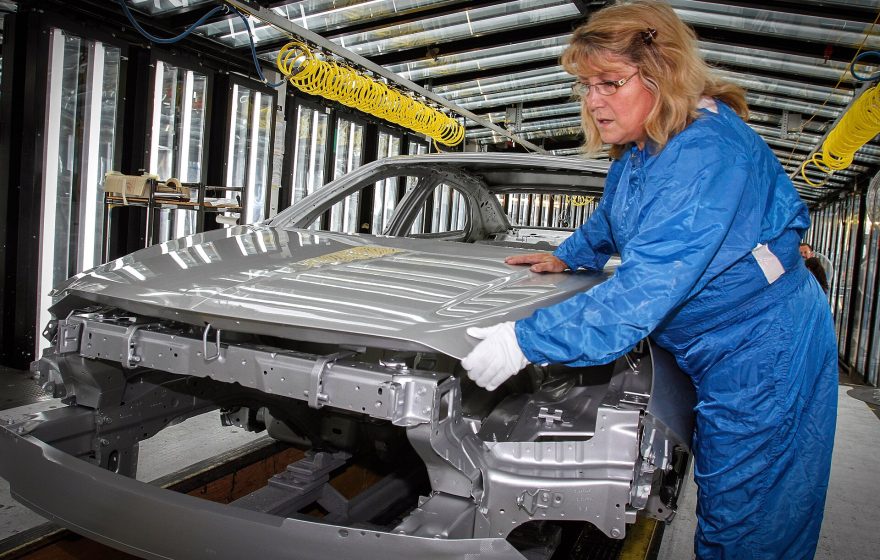
1960s
Electrocoating
Automakers introduce electrodeposition (e-coat) primers, transforming corrosion protection of car bodies.
Read: Electrocoating (E-Coat) →
Mid-1960s
PVDF architectural finishes
Polyvinylidene fluoride finishes for architectural metal arrive, offering decades of color and gloss retention.
Read: Fluoropolymer Coatings (PVDF & FEVE) →
1970
Clean air rules
The US Clean Air Act amendments and the new EPA begin the long shift toward lower-VOC coatings.
Read: VOCs & Coating Regulations →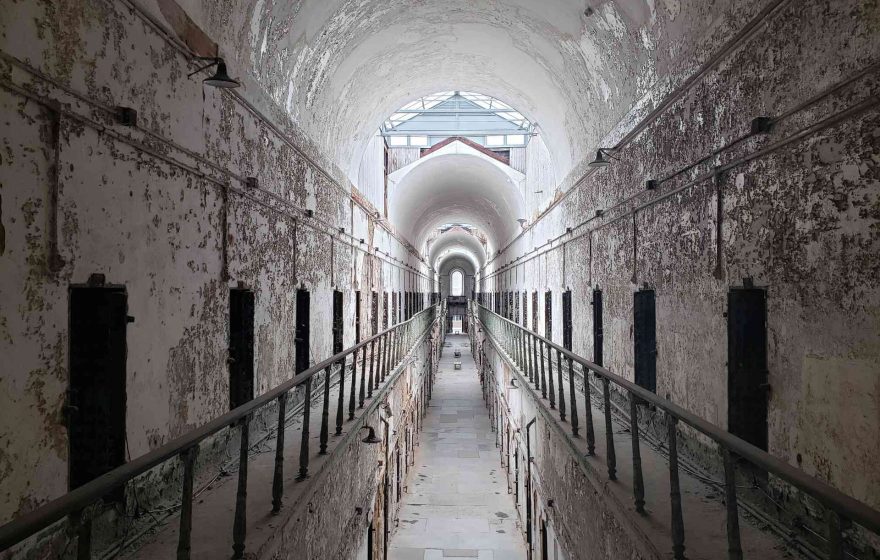
1978
Lead paint banned in US homes
The US Consumer Product Safety Commission bans lead-containing paint for residential and consumer use.
Read: Lead Paint Hazards →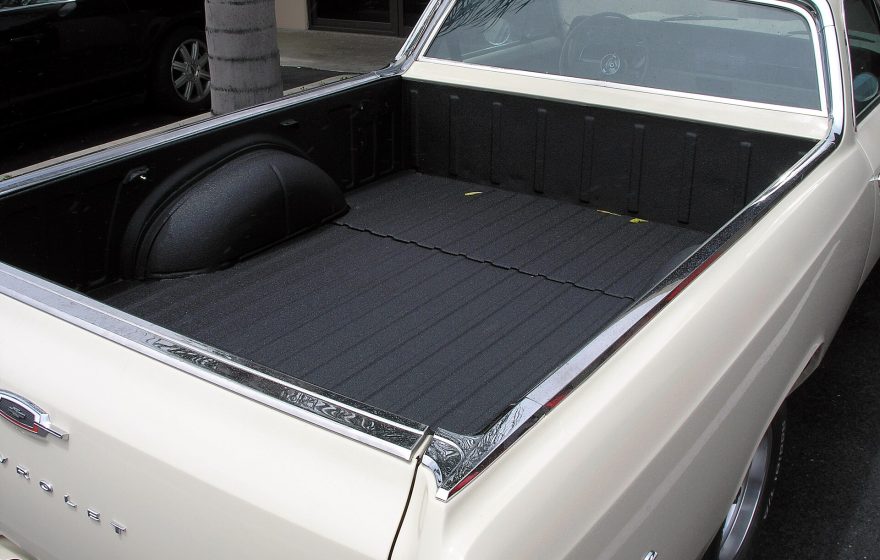
Late 1980s
Spray polyurea
Fast-set spray polyurea elastomers are developed, enabling thick, seamless linings applied in seconds.
Read: Polyurea Coatings →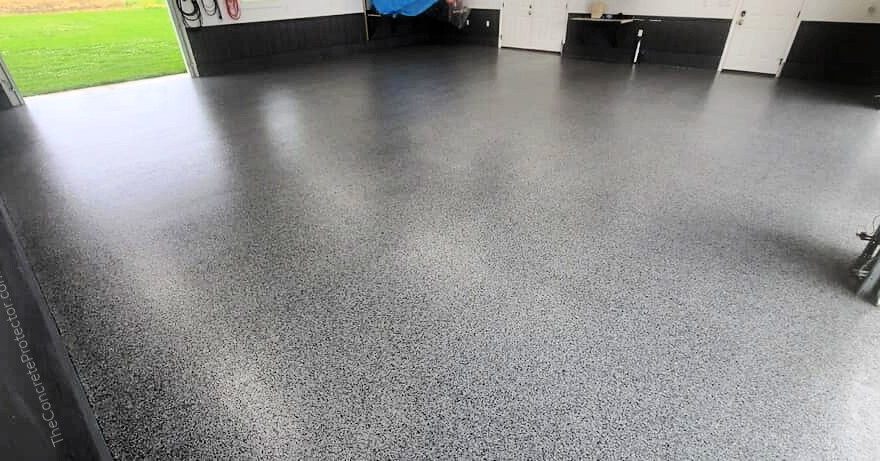
1990s
Polyaspartics
Aliphatic polyaspartic ester chemistry is introduced for coatings, later popular for fast-return floors.
Read: Polyaspartic Coatings →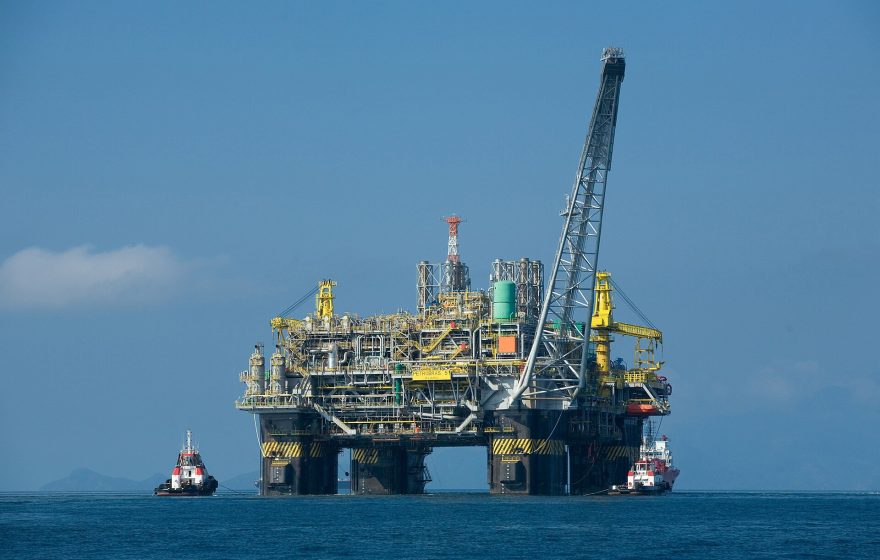
1998
ISO 12944 published
The international standard for protecting steel with paint systems is published; the US EPA also sets national VOC limits for architectural coatings.
Read: ISO 12944 Corrosivity Categories →2004
EU Decopaint Directive
Directive 2004/42/EC limits VOC content in decorative paints and vehicle refinishes across the EU.
Read: VOCs & Coating Regulations →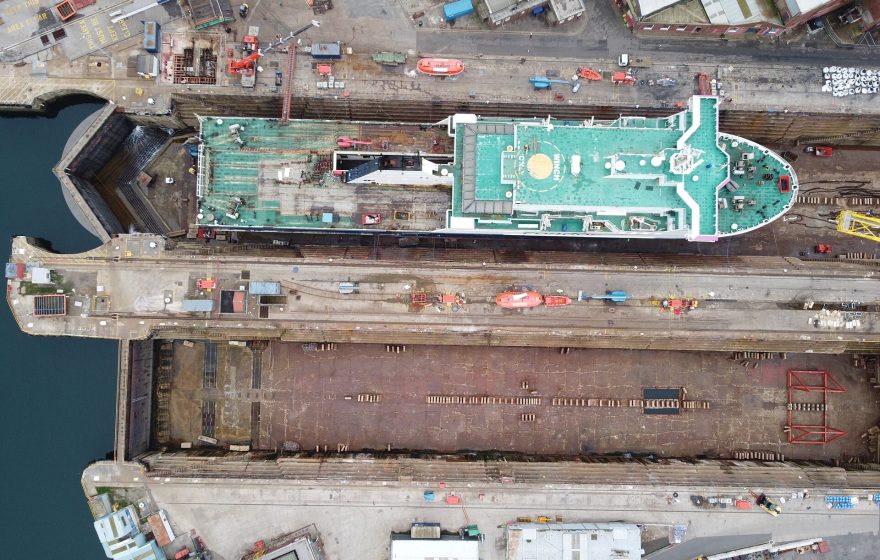
2008
TBT antifoulings banned
The IMO’s Anti-Fouling Systems Convention enters into force, banning tributyltin (TBT) antifouling paints on ships.
Read: Antifouling & Foul-Release Coatings →2017
ISO 12944 revised
A major revision adds the CX and Im4 categories, new durability ranges and Part 9 for offshore structures.
Read: ISO 12944 Corrosivity Categories →2021
AMPP formed
NACE International and SSPC combine to form AMPP, the Association for Materials Protection and Performance.
Read: AMPP, SSPC & NACE Explained →
Today
Cleaner, smarter coatings
PFAS restrictions, bio-based resins, low-VOC chemistries, robotics and self-healing research shape the next generation.
Read: Sustainable & Bio-Based Coatings →
Dates for early developments are approximate and sources differ on exact years.