Antifouling & Foul-Release Coatings
Antifouling coatings keep barnacles, weed and slime off underwater surfaces, either by releasing biocides or by presenting a slick, low-energy surface that fouling cannot grip firmly.
Key takeaways
- Biofouling raises a vessel’s drag and fuel use and can carry invasive species, so underwater hulls and structures are protected with specialized topcoats.
- Biocidal antifoulings release copper compounds and booster biocides at a controlled rate; self-polishing types wear away gradually to expose fresh biocide.
- Foul-release coatings, typically silicone-based, contain no biocide and rely on a slippery, low-surface-energy film from which fouling detaches under flow.
- Antifoulings are regulated pesticides or biocidal products, and organotin (TBT) antifoulings are banned internationally.
Any surface left in seawater is soon colonized: first a bacterial slime, then algae, and then hard fouling such as barnacles, mussels and tubeworms. On a ship, even a thin slime layer increases frictional resistance, while heavy hard fouling can reduce speed and markedly increase fuel consumption. Fouling also blocks seawater intakes, adds weight to offshore structures and transports organisms between ports.
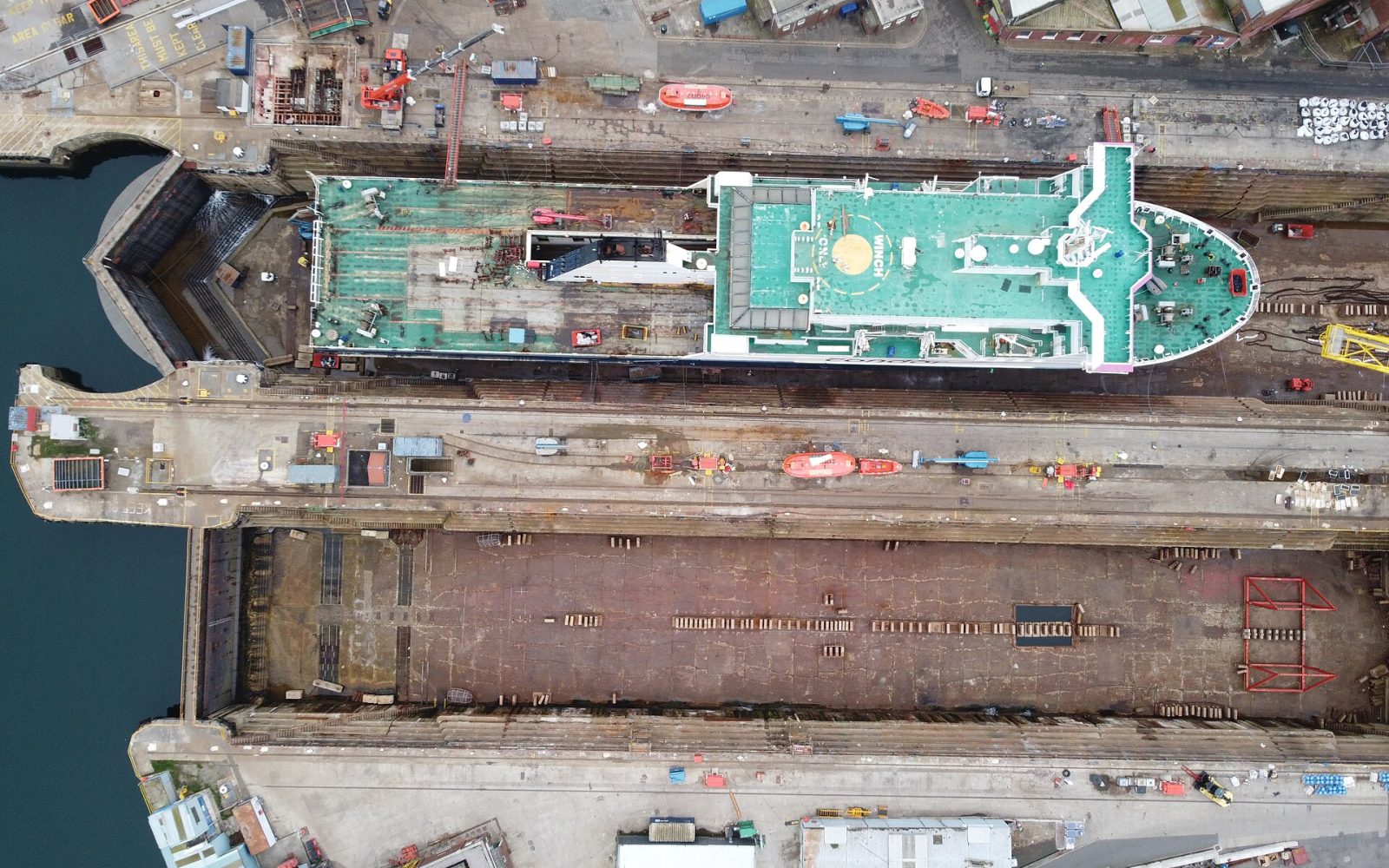
Antifouling and foul-release coatings are the outermost layers of an underwater hull system. They sit on top of an anticorrosive system, usually epoxy, which protects the steel or other hull material. For the broader marine coating picture, see Marine & Offshore Coatings.
How biocidal antifoulings work
Biocidal antifoulings contain one or more active ingredients that are released at the paint surface at a rate high enough to deter settling larvae and spores. Cuprous oxide is the dominant biocide; copper thiocyanate is used where lighter colors are needed. “Booster” biocides such as zinc pyrithione, copper pyrithione, DCOIT and others are added to control algae and slime that tolerate copper. The permitted actives differ by country.
The binder controls how the biocide is delivered over time. Three main technologies are used:
| Type | How it works | Typical use |
|---|---|---|
| Self-polishing copolymer (SPC) | Acrylic copolymers (copper, zinc or silyl acrylates) hydrolyze in seawater, so the surface erodes in a controlled way and continually exposes fresh biocide | Deep-sea ships with long docking intervals |
| Ablative / controlled depletion (hybrid) | Rosin-based or hybrid binders that dissolve and wear away gradually | Commercial vessels and many recreational boats |
| Hard (contact leaching, insoluble matrix) | A hard, insoluble binder from which biocide leaches; the depleted film remains in place | Fast boats, racing hulls, boats hauled frequently |
Because self-polishing and ablative coatings erode, their service life is closely tied to film thickness: more coats generally mean a longer docking interval. Hard antifoulings build up depleted layers over time and may need sanding or removal before recoating.
Foul-release coatings
Foul-release coatings take a non-toxic approach. They are typically based on silicone elastomers, sometimes modified with fluoropolymers or hydrogel-forming components. Their low surface energy and low elastic modulus mean organisms cannot bond strongly, so fouling that settles is released by water flow as the vessel moves or by gentle cleaning.
They are most effective on vessels that move regularly at moderate to high speeds and have relatively short idle periods. Silicone films adhere poorly to almost everything, which is the point, so systems use a dedicated tie coat between the epoxy anticorrosive and the silicone topcoat.
Silicone overspray contaminates nearby surfaces and causes fisheyes and cratering in later coatings. Mask carefully, control drift and keep silicone equipment separate from other spray equipment.
Regulation and environmental considerations
Because they work by releasing biocides, antifoulings are regulated as pesticides or biocidal products. Tributyltin (TBT) coatings were highly effective but caused severe harm to marine life and are banned under the International Maritime Organization’s International Convention on the Control of Harmful Anti-fouling Systems on Ships (AFS Convention); cybutryne was later added to its controls. National regimes such as US EPA pesticide registration and the EU Biocidal Products Regulation govern which actives may be sold.
Owners also face local rules on in-water hull cleaning, copper discharges in sensitive harbors and capture of blasting and wash-down waste in shipyards. The IMO has also published guidance on biofouling management to reduce the transfer of invasive species.
System design and application
- Prepare the substrate. Blast steel or prepare aluminum or fiberglass as specified; remove incompatible old antifouling where required.
- Apply anticorrosive. Build an epoxy anticorrosive or barrier system to the specified thickness.
- Apply tie coat. Use the tie coat within its overcoat window to link the anticorrosive to the antifouling or foul-release topcoat.
- Apply antifouling. Build the specified number of coats, often adding extra coats on high-wear areas such as the bow, waterline and rudder.
- Respect launch times. Observe minimum and maximum times between final coat and immersion.
On aluminum hulls, copper-based antifoulings can cause severe galvanic corrosion if they contact the metal; copper-free products and an intact barrier system are typically required. On fiberglass boats, an epoxy barrier coat under the antifouling also helps limit osmotic blistering.
Match the antifouling to the vessel’s operating profile, not just its price. Speed, activity level, idle periods, water temperature and docking interval determine whether SPC, ablative, hard or foul-release will perform best.
Advantages and limitations
Advantages
- Reduce drag, fuel use and emissions on fouling-prone hulls
- Protect intakes, sensors and underwater structures
- Self-polishing types offer predictable multi-year performance
- Foul-release coatings provide a biocide-free option
Limitations
- Biocides are regulated and can affect non-target marine life
- Erodible types have finite life tied to thickness
- Foul-release coatings are less effective on idle or slow vessels
- Compatibility rules between old and new products are strict
Performance is commonly evaluated by immersing panels at exposure sites, for example following ASTM D3623 for shallow submergence testing, and ultimately by service records.
Frequently asked questions
What is the difference between ablative and hard antifouling?
Ablative coatings wear away slowly in use, exposing fresh biocide and reducing buildup. Hard coatings stay in place while the biocide leaches out, giving a durable, burnishable surface but leaving depleted layers.
Can I apply new antifouling over old?
Often yes, if the products are compatible and the old coating is sound. Check the manufacturer’s compatibility chart; some combinations need a barrier coat or full removal.
Do foul-release coatings stay completely clean?
No. Some slime and fouling may settle, especially when a vessel is idle, but it attaches weakly and is usually removed by flow or light cleaning.
Is TBT antifouling still used?
No. Organotin antifoulings are prohibited on ships under the IMO AFS Convention.
Educational reference. Coating performance varies by formulation. Always follow the manufacturer’s product data sheet, safety data sheet and your project specification.