Bidding Coating Projects
How coating contractors choose which projects to pursue, read bid documents, manage questions and addenda, and submit responsive bids that win the right work at the right margin.
Key takeaways
- Winning starts with choosing which jobs to bid. A clear go/no-go process saves estimating time for work that fits your crews, equipment and risk appetite.
- Read every bid document — specification, drawings, general and supplementary conditions, and all addenda — before pricing.
- Ask questions through the formal channel before the deadline; answers given informally rarely bind anyone.
- A responsive bid follows the required format exactly. Clarifications and exclusions should be precise and, on public work, may not be permitted at all.
Bidding is where a coating contractor’s technical knowledge meets its commercial judgment. The estimate establishes cost; the bid decides whether to pursue the job, how to present the price, and which risks to accept. This article covers the process from opportunity to award. It is general education, not legal advice — bonding, contract terms and public procurement rules vary by jurisdiction and deserve professional review.
Types of bids and procurement
| Procurement type | How award is usually decided | What matters most |
|---|---|---|
| Public sealed bid | Lowest responsive, responsible bidder | Strict compliance with forms, bonds and deadlines; accurate price |
| Private invitation to bid | Price plus owner’s judgment of the bidders | Relationship, qualifications, schedule and price |
| Best value / RFP | Weighted scoring of technical approach, experience and price | Written technical proposal, safety record, references |
| Subcontract to a general contractor | GC’s choice, often price-driven | Scope match with the GC’s breakdown, insurance, responsiveness |
| Negotiated | Agreement on scope and price with one contractor | Trust, transparency and track record |
Public owners commonly require bid security and, after award, performance and payment bonds. In the United States, federal requirements stem from the Miller Act and most states have their own equivalents. Bonding capacity is therefore a practical limit on which jobs a contractor can pursue.
Deciding whether to bid
Every estimate costs time. A short, honest screening process keeps the estimating team focused. Typical questions include:
- Does the work fit our core markets, crews and equipment?
- Can we meet the qualification requirements — for example a contractor qualification program, a manufacturer approval or a specific safety record?
- Do the schedule, location and contract terms suit our current workload and cash position?
- How many bidders are expected, and do we know the owner or GC?
- Are there risks we cannot price — undefined existing conditions, hazardous coatings, unrealistic warranties or unlimited liquidated damages?
Declining to bid is a legitimate outcome. A polite “no bid” with a reason often builds more goodwill with an owner or GC than a careless, high number.
Reading the bid documents
The coating specification is only part of the picture. Requirements that affect price are often scattered across the package:
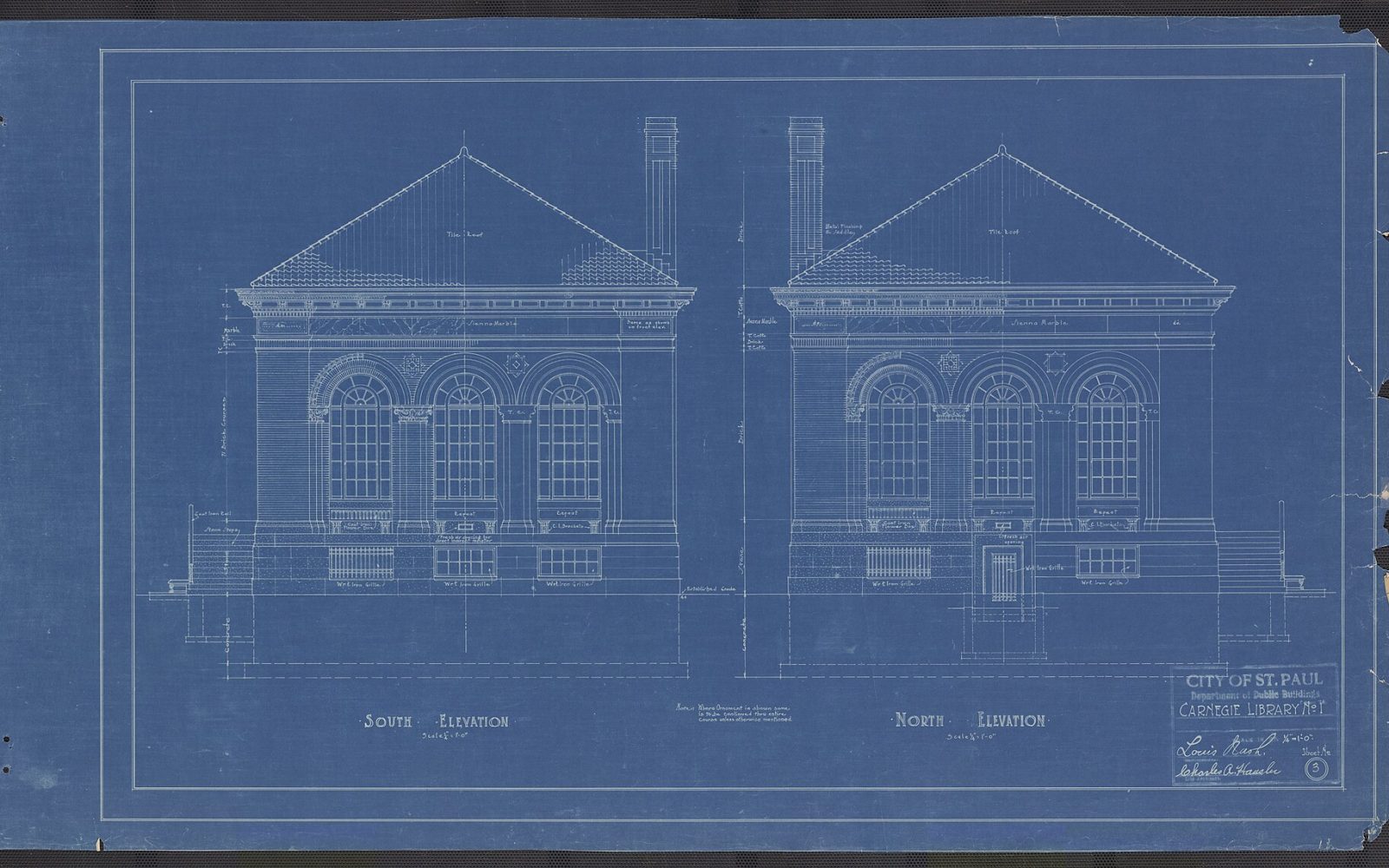
- Technical specification. Surface preparation standards, systems, DFT, inspection, mockups, submittals and approved products. A well-written specification is easier to price; an ambiguous one needs questions.
- Drawings and schedules. Scope boundaries, quantities and areas excluded from the work.
- General and supplementary conditions. Payment terms, retainage, insurance limits, liquidated damages, change-order procedures and dispute resolution.
- Environmental and safety sections. Containment, waste handling and worker protection — especially where lead paint removal is involved.
- Warranty requirements. Term and remedy; see coating warranties.
- Addenda. Each must be read, priced and usually acknowledged on the bid form.
Attend the pre-bid meeting and site walk where offered — on some projects attendance is mandatory. Submit questions in writing through the stated channel (often called requests for information) and rely only on answers issued by addendum.
Building a responsive bid
- Set up a bid checklist. List every required form, bond, certificate, acknowledgement and deadline, including time zone and delivery method.
- Finalize the estimate. Confirm quantities, material calculations from the product data sheets, labor, access and indirect costs.
- Collect supplier and sub quotes. Confirm they cover the specified products and quantities and remain valid for the bid’s validity period.
- Review risk and margin. Senior staff review assumptions, contingency and the commercial terms before the number is set.
- Complete forms exactly. Unit prices, alternates, signatures and addenda acknowledgements must match the requested format.
- Submit early and confirm receipt. Late bids are usually rejected without being opened.
Clarifications, exclusions and alternates
On private work, a proposal normally lists what is and is not included: number of mobilizations, access by others, owner-supplied utilities, assumed existing conditions, and items such as hazardous material abatement or concrete repair. Precise language protects both sides; vague exclusions such as “unforeseen conditions” protect neither.
On public sealed bids, qualifying a bid can make it non-responsive. Raise concerns through questions before bid day instead. Where alternates are invited, price them as carefully as the base bid; an unrealistic alternate can change the award.
Substituting an unapproved product or reducing the specified system to lower the price is a common route to rejection, disputes or failures. Use the specification’s substitution procedure, within its deadlines.
After bid day
Whether the bid wins or loses, capture what was learned. Request bid tabulations where public results are available, ask private clients for feedback, and log each bid: market, size, competitors, your price relative to the winner and the reason for the outcome. Over time this record shows your hit rate by market and where your pricing is out of step.
Hypothetical example. A contractor bids 40 jobs in a year and wins 8, a 20% hit rate. The log shows most losses on tank linings were within a few percent of the winner, while bridge bids lost by wide margins. That points to competitive lining pricing, but a production or access assumption on bridge work worth re-examining — or a market worth bidding less often.
When a bid wins, hand the estimate, assumptions and questions to the project team before the pre-job conference. Many problems on coating jobs start with a field crew that never saw what the estimator assumed.
Frequently asked questions
What makes a bid non-responsive?
Common causes are missing forms or bonds, unacknowledged addenda, unsigned documents, late delivery and conditions or exclusions added to a public bid. The bid instructions define what is required.
Should I bid below cost to win a new client?
It is a business decision with real risk. Change orders rarely recover a deliberately low price, and the client may come to expect it. Most contractors are better served by competing on qualifications and reliability.
How long should a bid price remain valid?
The bid documents usually set the period. On private work, state a validity period in the proposal and note any dependence on material price changes.
Educational reference. Coating performance varies by formulation. Always follow the manufacturer’s product data sheet, safety data sheet and your project specification.