Coating Galvanized Steel (Duplex Systems)
How to paint or powder coat over hot-dip galvanizing: why duplex systems last longer, how to handle new and weathered zinc, and which coatings are compatible.
Key takeaways
- A duplex system — paint or powder coating over hot-dip galvanizing — typically lasts considerably longer than either protection method would on its own.
- Zinc surfaces are smooth, reactive and often contaminated with oils, passivation treatments or zinc corrosion products, so they need specific preparation before coating.
- Alkyds and other oil-based coatings can saponify on zinc; epoxy, polyurethane, acrylic and specially designed primers are the usual choices.
- The age and condition of the galvanizing — new, partially weathered or fully weathered — determines how it should be prepared.
Hot-dip galvanizing gives steel a tough, metallurgically bonded zinc layer that protects both as a barrier and sacrificially. Painting over it is done for color, appearance, safety marking, or to extend life in aggressive environments. The combination is called a duplex system.
Coating zinc successfully, however, requires a different approach than coating bare steel. Many premature failures on galvanized structures come from treating them as if they were ordinary steel.
Why use a duplex system
In a duplex system each layer protects the other. The paint shields the zinc from the environment, slowing its consumption. The zinc, in turn, prevents rust from undercutting the paint at scratches and defects, because exposed steel is protected galvanically rather than corroding beneath the film.
The result is a synergistic effect: industry literature commonly cites duplex service lives of roughly 1.5 to 2.3 times the sum of the individual lives of the galvanizing and the paint, depending on environment. Benefits include:
- Longer time to first maintenance in aggressive or coastal environments.
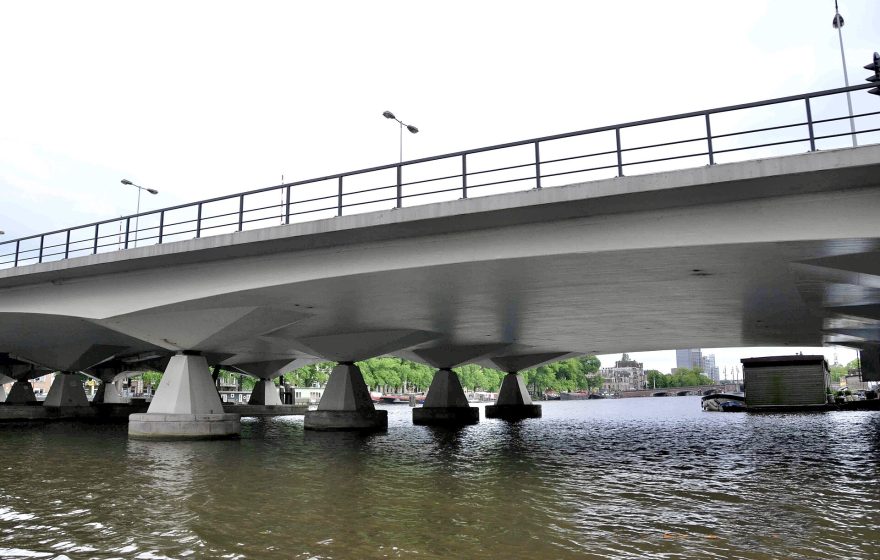
- Color coding, branding and aesthetics on structures such as bridges, poles and handrails.
- Easier maintenance: when the paint eventually weathers, the zinc underneath is often still intact, so repainting can avoid full blast cleaning to steel.
Details of the galvanizing process itself are covered in hot-dip galvanizing; the electrochemistry behind zinc’s sacrificial action is explained in galvanic corrosion.
Zinc surface conditions
Galvanized surfaces change with time and exposure, and each condition needs different handling.
| Condition | Typical age | Surface characteristics | Coating considerations |
|---|---|---|---|
| Newly galvanized | Days to weeks | Bright, smooth, may carry oils or passivation treatment | Needs cleaning and profiling; passivation must be removed or confirmed absent |
| Partially weathered | Months to a couple of years | Dull, mixed oxides and hydroxides; may show white rust | Loose zinc corrosion products must be removed; most variable condition |
| Fully weathered | Typically a year or more | Stable, matte gray zinc carbonate patina | Generally good adhesion after cleaning; light abrasion often sufficient |
White rust — bulky white zinc oxide and hydroxide deposits that form when fresh galvanizing stays wet without good air flow, such as in tightly stacked bundles — must be removed before coating. Coatings applied over it tend to flake off.
Surface preparation
Preparation aims to remove contaminants and create a clean, lightly roughened surface without removing excessive zinc. ASTM D6386 describes preparation of hot-dip galvanized surfaces for painting, and ASTM D7803 covers preparation for powder coating. Sweep blasting of non-ferrous metals is addressed in SSPC-SP 16.
- Clean. Remove oil, grease and dirt with suitable alkaline or solvent cleaners and rinse thoroughly.
- Remove high spots. Smooth zinc drips, runs and spikes without cutting through the coating.
- Remove zinc corrosion products. Brush or wash off white rust and loose deposits.
- Profile the surface. Lightly sweep blast with fine, non-metallic abrasive at reduced pressure and a shallow angle, or use chemical pretreatments such as phosphate conversion or proprietary etch primers.
- Coat promptly. Freshly prepared zinc reacts with air and moisture, so apply the primer as soon as practical.
A full treatment of methods appears in preparing galvanized steel for coating.
Aggressive blasting can strip the zinc you are trying to keep, or fracture the brittle zinc–iron alloy layers. Sweep blasting should only lightly roughen and dull the surface. Check zinc thickness before and after with a magnetic gauge if in doubt.
Choosing compatible coatings
Zinc is amphoteric and reactive. In the presence of moisture it generates alkaline corrosion products that attack some binders.
Coatings to avoid directly on zinc
- Alkyds and oil-based paints — the alkaline zinc surface can hydrolyze their ester linkages, causing soap formation and peeling. See saponification.
- Some general-purpose primers not formulated for non-ferrous metals.
Common duplex primers and systems
- Epoxy primers, including surface-tolerant and polyamide-cured types formulated for galvanizing.
- Polyurethane or acrylic topcoats for color and gloss retention outdoors.
- Waterborne acrylics for light-duty and architectural duplex work.
- Powder coatings, commonly with a degassing step or outgassing-resistant primer; see powder coatings.
For powder coating over galvanizing, preheating the parts above the cure temperature before application helps release gases trapped in the zinc and reduces pinholes and outgassing.
Passivation and communication with the galvanizer
Galvanizers often quench or treat newly galvanized steel to reduce white rust during storage. Some of these treatments interfere with paint adhesion. The most reliable approach is to tell the galvanizer at order stage that the steel will be painted or powder coated, so that quenching and passivation are omitted or adjusted. Fabrication details such as vent and drain holes should also be planned with coating in mind.
Repair and maintenance
Damaged galvanizing is commonly repaired to ASTM A780 using zinc-rich paint, zinc-based solders or thermal spray zinc before the duplex topcoats are applied. When the paint layer of an older duplex system weathers, maintenance usually involves cleaning, spot priming and overcoating, preserving the remaining zinc layer.
Frequently asked questions
Can I paint galvanized steel right away?
Yes, if it is properly cleaned, any passivation treatment is absent or removed, and the surface is profiled. Many failures occur on new galvanizing painted without preparation.
Why does paint peel off galvanized steel?
Common causes are oil or passivation residues, white rust, a smooth unprofiled surface, or using an alkyd that saponified on the zinc.
Do I need a zinc-rich primer over galvanizing?
Not usually for intact galvanizing; the zinc is already there. Zinc-rich paint is mainly used for repairing damaged areas.
How long does a duplex system last?
It depends on zinc thickness, paint system and environment, but duplex systems typically last substantially longer than galvanizing or paint alone.
Educational reference. Coating performance varies by formulation. Always follow the manufacturer’s product data sheet, safety data sheet and your project specification.