Crystalline Silica & Abrasive Blasting
How abrasive blasting and concrete preparation release respirable crystalline silica, why it causes silicosis and lung cancer, and the controls that reduce exposure.
Key takeaways
- Respirable crystalline silica (RCS) is fine quartz and related mineral dust small enough to reach deep into the lungs.
- In coating work it comes from silica-sand abrasives and, regardless of abrasive, from blasting, grinding or shot blasting concrete and masonry.
- RCS causes silicosis — an incurable, sometimes fatal lung disease — and lung cancer, COPD and kidney disease.
- Substitute non-silica abrasives, use wet or captured-dust methods, and wear Type CE supplied-air respirators for blasting, within a written exposure control plan.
Crystalline silica is one of the most common minerals on earth. Quartz is the most familiar form, and it is present in sand, stone, concrete, mortar and many fillers. It is harmless as a solid, but when it is fractured into respirable particles — typically a few micrometres across and invisible to the eye — it becomes a serious occupational hazard. Abrasive blasting is one of the most intensive sources of silica dust in any industry.
This article focuses on the health hazard and its control. For blasting methods see abrasive blasting, and for choosing abrasives see abrasive media selection.
Sources of silica in coating work
- Silica sand abrasive. Blasting with sand shatters quartz into large amounts of fine respirable dust. NIOSH has long recommended against using silica sand for abrasive blasting, and some countries have restricted or banned it for decades.
- The substrate. Blasting, shot blasting, scarifying or diamond grinding concrete and masonry releases silica from the sand and aggregate in the substrate, whatever abrasive is used. See concrete surface preparation.
- Existing coatings and fillers. Some coatings, mortars, grouts and floor toppings contain silica fillers that become airborne when removed.
- Alternative abrasives. Many substitutes contain little crystalline silica, but some can carry small amounts of free silica or trace toxic metals. Check the abrasive SDS.
- Cleanup. Dry sweeping or blowing down spent abrasive re-suspends the fine fraction.
Health effects
Respirable silica particles that reach the gas-exchange region of the lungs cause inflammation and scarring. The main recognized effects are:
- Silicosis. A progressive, irreversible fibrosis of the lung. Chronic silicosis usually appears after many years of exposure; accelerated silicosis develops faster after higher exposures; acute silicosis can follow very high exposures — historically associated with sandblasting — within months to a few years and can be fatal.
- Lung cancer. The International Agency for Research on Cancer classifies crystalline silica (quartz and cristobalite) as carcinogenic to humans.
- Other effects. Chronic obstructive pulmonary disease, kidney disease and increased risk of tuberculosis in people with silicosis.
Because disease can appear long after exposure, a worker who feels fine today is not evidence that the exposure was safe.
Regulations
In the United States, OSHA’s respirable crystalline silica standards — 29 CFR 1926.1153 for construction and 29 CFR 1910.1053 for general industry and maritime — set the limits and duties that apply to most coating contractors and shops.
| Element | What OSHA’s silica rules require (summary) |
|---|---|
| Exposure limit | PEL of 50 µg/m³ and action level of 25 µg/m³, both 8-hour TWAs |
| Exposure assessment | Measure or objectively estimate exposure; in construction, Table 1 tasks with specified controls are an alternative |
| Written plan | Exposure control plan describing tasks, controls, housekeeping and access restrictions |
| Housekeeping | Avoid dry sweeping and compressed air where feasible alternatives exist |
| Respirators | Where controls alone do not keep exposure at or below the PEL |
| Medical surveillance | For workers required to wear respirators for the trigger period set in the rule |
Table 1 in the construction standard lists common tasks — including handheld grinders and walk-behind floor grinders used on concrete — with specified dust controls and respirator requirements. Abrasive blasting is not one of the Table 1 tasks, so blasting contractors generally need to assess exposure directly. Abrasive blasting is also covered by OSHA’s ventilation requirements for blasting operations, and lead, other metals and noise often need to be addressed at the same time. Other jurisdictions, including those following HSE or EU-OSHA guidance, have their own exposure limits, which in some cases are lower.
Controlling silica exposure
Substitution
The most effective step for blasting is to stop using silica sand. Alternatives include steel grit and shot (often recycled), garnet, aluminum oxide, crushed glass, staurolite and various slags. Each has its own cost, dust and disposal profile; none removes the silica hazard of blasting concrete.
Engineering controls
- Wet methods. Wet abrasive blasting and waterjetting greatly reduce airborne dust, though they introduce flash-rust and wastewater considerations.
- Captured-dust methods. Vacuum blasting, shot blasting with integral dust collection and shrouded grinders with suitable vacuums keep dust at the source.
- Enclosures and ventilation. Blast rooms and containments with adequate airflow and dust collection protect workers outside the enclosure and the public.
Respiratory protection and hygiene
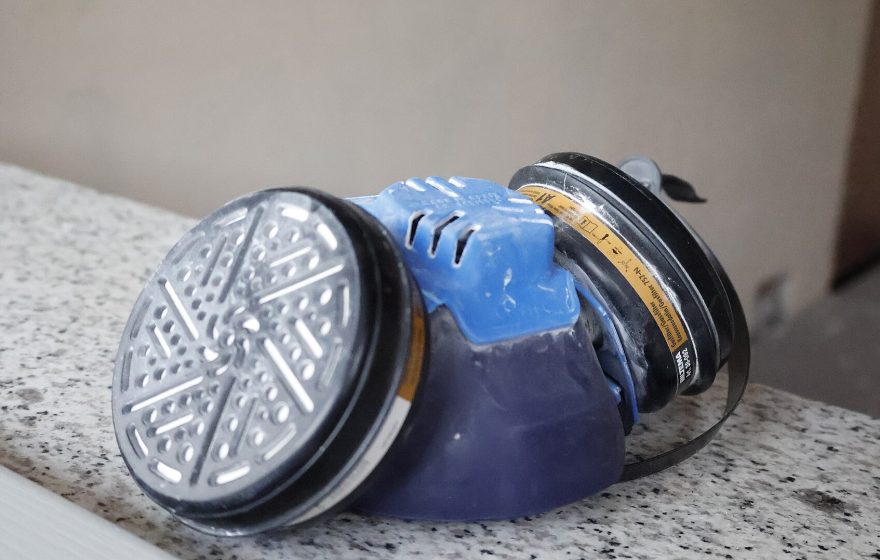
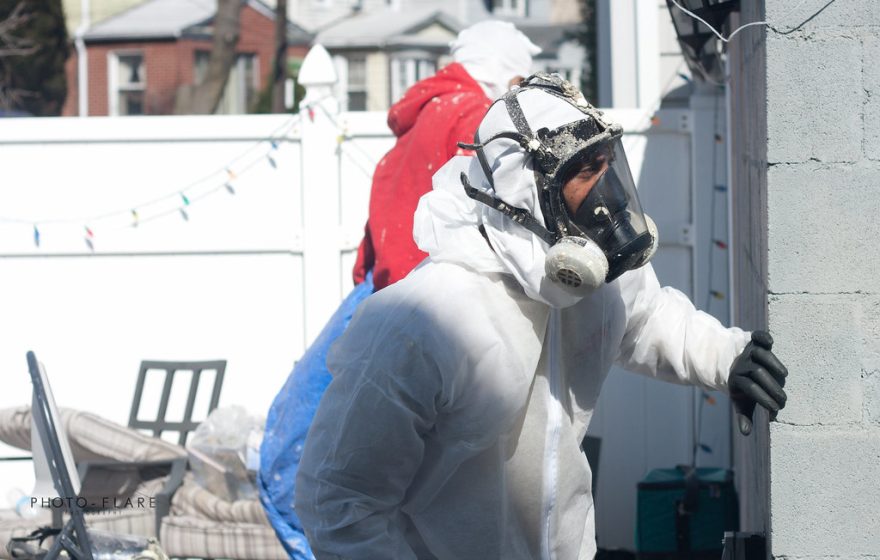
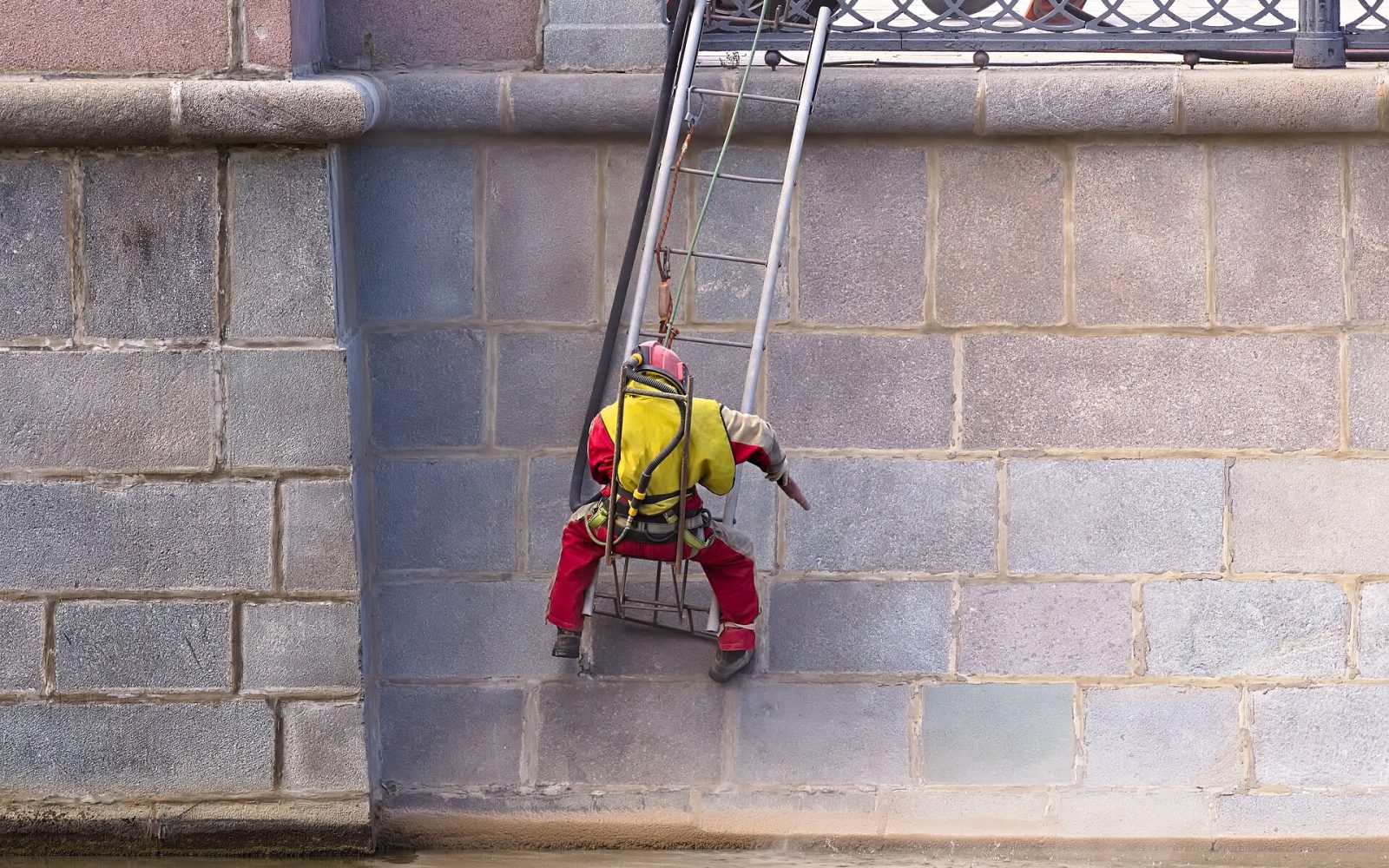
Blasting operators typically wear NIOSH-approved Type CE abrasive-blast supplied-air respirators fed with breathing air meeting at least Grade D quality, as OSHA 29 CFR 1910.134 requires for supplied air. Helpers, pot tenders and cleanup crews near the blast also need respirators selected for their exposure. See respiratory protection.
A blast hood is only as good as its air supply. Locate compressor intakes away from engine exhaust, use suitable filtration, and monitor for carbon monoxide where oil-lubricated compressors are used. Contaminated breathing air has killed blasters.
Safe blasting practice
- Plan. Identify silica sources in the abrasive, substrate and existing coatings, and write them into the exposure control plan.
- Select abrasive and method. Prefer non-silica abrasives and wet or captured-dust methods where the specification allows.
- Set up controls. Erect containment, verify ventilation and dust collection, and mark restricted areas.
- Protect people. Issue Type CE hoods, verify breathing air, and provide respirators for others exposed.
- Clean up safely. Use HEPA vacuums or wet methods rather than dry sweeping or blowing down.
- Monitor. Conduct air sampling and medical surveillance as required.
Specifiers can reduce exposure before a contractor is hired: allow alternative surface preparation methods where they achieve the required cleanliness and profile, and prohibit silica sand abrasives in the specification.
Frequently asked questions
Does using a non-silica abrasive eliminate the silica hazard?
Not always. Blasting concrete, masonry or silica-filled coatings releases silica from the surface itself, and some abrasives contain small amounts of free silica. Exposure still needs to be assessed.
Can silicosis be cured?
No. Lung damage from silicosis is permanent and can continue to progress after exposure stops, which is why prevention is essential. Workers with concerns should talk to an occupational health professional.
Is a half-mask respirator acceptable for abrasive blasting?
Blasting operators generally require abrasive-blast supplied-air respirators, which also protect against rebounding abrasive. Other workers nearby may use different respirators depending on their measured exposure and the applicable rules.
Educational reference. Coating performance varies by formulation. Always follow the manufacturer’s product data sheet, safety data sheet and your project specification.