Abrasive Media Selection
How abrasive type, size, shape, hardness and cleanliness control blast profile, productivity, waste and worker exposure, and how to choose media for a given job.
Key takeaways
- The abrasive largely determines the profile depth and shape, the cleaning rate, how much dust is produced and how much waste must be handled.
- Larger, harder and angular particles cut deeper profiles; finer particles clean faster per pass with more impacts but cut shallower profiles.
- Recyclable media such as steel grit cost more per ton but can cost less per square foot cleaned, especially where waste disposal is expensive.
- Abrasive must be clean. Check conductivity (ASTM D4940) and oil contamination, and buy to recognized standards such as SSPC-AB 1, AB 2 and AB 3 or the ISO 11124 and ISO 11126 series.
- Avoid silica sand, and check SDSs for trace metals and free silica in any abrasive.
Abrasive media selection is the process of choosing the blast abrasive for a surface preparation job. The choice affects nearly every outcome of abrasive blasting: the cleanliness grade that can be achieved, the depth and shape of the surface profile, production rates, dust, worker exposure, containment design and the cost of waste disposal. The cheapest abrasive per ton is rarely the cheapest per square foot of finished surface.
Properties that matter
- Size. Larger particles carry more energy and cut deeper profiles. Smaller particles give many more impacts per pound, so they cover surface faster and suit shallower profiles.
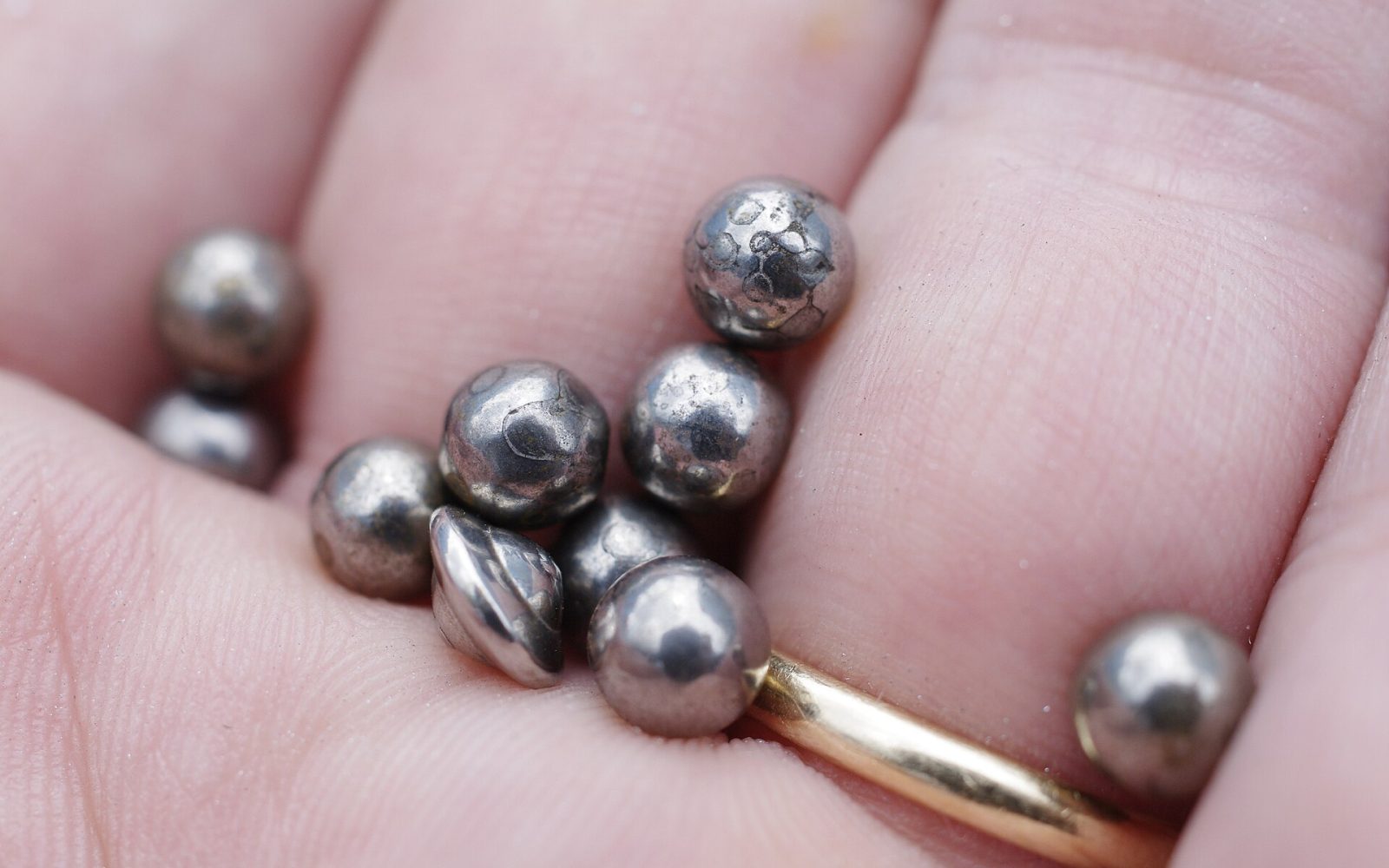
- Shape. Angular grit cuts a sharp, jagged profile. Round shot peens and hammers the surface, removing mill scale and producing a rounded, shallower profile.
- Hardness. Harder abrasives cut harder surfaces and break down less. Softer media remove coatings without significantly cutting the substrate.
- Density. Heavier particles strike harder at the same velocity, which improves cutting and removal of tight coatings.
- Friability. Abrasives that shatter on impact create more dust, reduce visibility and are not recyclable.
- Cleanliness. Abrasives must be dry and free of oil, soluble salts and other contaminants that would be transferred to the surface.
Common abrasive types
| Abrasive | Recyclable? | Typical uses | Notes |
|---|---|---|---|
| Steel grit | Yes, many cycles | Shop blasting, recycling systems in containment | Angular, sharp profile; must be kept dry and clean |
| Steel shot | Yes, many cycles | Wheel blast machines, mill-scale removal | Round; often blended with grit for profile |
| Garnet | Limited recycling | Field and shop blasting, waterjet cutting | Hard, dense, low dust; little or no free silica |
| Coal slag | Generally no | Open field blasting of steel | Low cost, angular; check SDS for trace metals |
| Copper and other metal slags | Generally no | Field and shipyard blasting | Dense, fast cutting; check SDS for trace metals |
| Aluminum oxide | Yes, in cabinets and rooms | Stainless steel, aluminum, thermal-spray prep | Very hard, angular, iron-free |
| Crushed glass | Generally no | Field blasting where light color helps visibility | Amorphous, so no crystalline silica; friable |
| Soft media (plastic, walnut shell, corn cob, sodium bicarbonate) | Some types | Coating stripping from delicate substrates | Little or no profile |
| Glass bead | Yes, in cabinets | Cleaning, peening and finishing | Round; produces a smooth satin finish, not an anchor profile |
Silica sand is now avoided for blasting because of the serious risk of silicosis from respirable crystalline silica. Some jurisdictions restrict or ban it. Even other abrasives can contain some free silica or release it from the surface being blasted. See crystalline silica and abrasive blasting. Some slags may contain trace metals such as beryllium or arsenic; read the SDS and assess exposure.
Sizing abrasive to the required profile
Coating manufacturers usually specify a profile range, for example 2–3 mils (50–75 µm) for many primers or deeper for thick linings. The table below shows approximate relationships for steel blasted at typical nozzle pressures. Actual results vary with abrasive hardness, shape, pressure, angle and the hardness of the steel, so always verify profile on a test area.
| Abrasive size | Examples | Approximate profile |
|---|---|---|
| Fine | Steel grit around G80; mineral about 60–80 mesh | About 1–2 mils (25–50 µm) |
| Medium | Steel grit around G40–G50; mineral about 30–40 mesh | About 2–3.5 mils (50–90 µm) |
| Coarse | Steel grit around G25; mineral about 16–20 mesh | About 3.5–5 mils (90–125 µm) |
Measure the result using one of the ASTM D4417 methods, as described in surface profile measurement. A profile that is too deep can leave peaks poking through thin primers; one that is too shallow may not hold thick coatings.
In recycling systems, the working mix of new and worn particles determines the profile. Add fresh abrasive regularly in small amounts, and keep the air-wash separator working, so fines and dust do not build up and flatten the profile.
Abrasive cleanliness and standards
Contaminated abrasive transfers its contamination to the steel. Chlorides from abrasive left in coastal yards, or oil from poorly maintained recycling equipment, can cause blistering and early failure.
- ASTM D4940 measures the conductivity of water extracted from abrasive as an indication of water-soluble ionic contamination. Specifications often set a maximum value.
- Oil contamination is checked with a simple vial test: abrasive is shaken with water and inspected for an oil sheen.
- SSPC-AB 1 covers mineral and slag abrasives, SSPC-AB 2 the cleanliness of recycled ferrous metallic abrasives, and SSPC-AB 3 ferrous metallic abrasives.
- ISO 11124 (metallic) and ISO 11126 (non-metallic) set requirements for blast-cleaning abrasives, with test methods in ISO 11125 and ISO 11127.
Even clean abrasive cannot remove salts already present in pitted steel; see soluble salt contamination.
A practical selection process
- Read the specification. Note the cleanliness grade, profile range and any abrasive restrictions.
- Consider the substrate. Carbon steel, stainless steel, aluminum, galvanizing and concrete each need different media. Avoid ferrous abrasive on stainless steel and aluminum.
- Define the setting. Open field, full containment or a blast room determines whether recycling is practical; see blast containment.
- Account for the waste stream. Where the old coating contains lead or other regulated materials, spent abrasive may become hazardous waste. Recyclable media can sharply reduce the volume.
- Assess worker exposure. Review SDSs for free silica and trace metals, and plan respiratory protection.
- Compare cost per area. Include abrasive price, consumption rate, production rate, cleanup and disposal.
- Trial it. Blast a test area and verify cleanliness, profile and dust before committing.
Frequently asked questions
What is the difference between grit and shot?
Grit is angular and cuts a sharp profile. Shot is round and peens the surface, removing scale and producing a rounded, shallower profile. Blends of the two are common in wheel and recycling systems.
Why is silica sand no longer used?
Blasting with silica sand produces large amounts of respirable crystalline silica, which causes silicosis and other diseases. Safer abrasives are readily available, and some jurisdictions restrict its use.
Can I recycle expendable abrasives like coal slag?
Generally not. They break down on impact into fines and dust, which reduces cutting ability and increases dust. Recyclable media such as steel grit are designed for repeated use.
Which abrasive should I use on stainless steel?
Use iron-free abrasives such as aluminum oxide or garnet. Ferrous abrasives can embed iron particles that later rust and stain the surface.
Educational reference. Coating performance varies by formulation. Always follow the manufacturer’s product data sheet, safety data sheet and your project specification.