Polysiloxane Coatings
Hybrid polysiloxane topcoats combine an inorganic silicon–oxygen backbone with organic resins for exceptional gloss and color retention without isocyanates.
Key takeaways
- Polysiloxane coatings are hybrids: an inorganic Si–O network combined with an organic epoxy or acrylic resin.
- Their main selling point is outstanding gloss and color retention, often exceeding aliphatic polyurethanes.
- They are typically isocyanate-free, high in solids and low in VOC.
- Cure depends on atmospheric moisture as well as temperature, and films are more brittle than urethanes at high thickness.
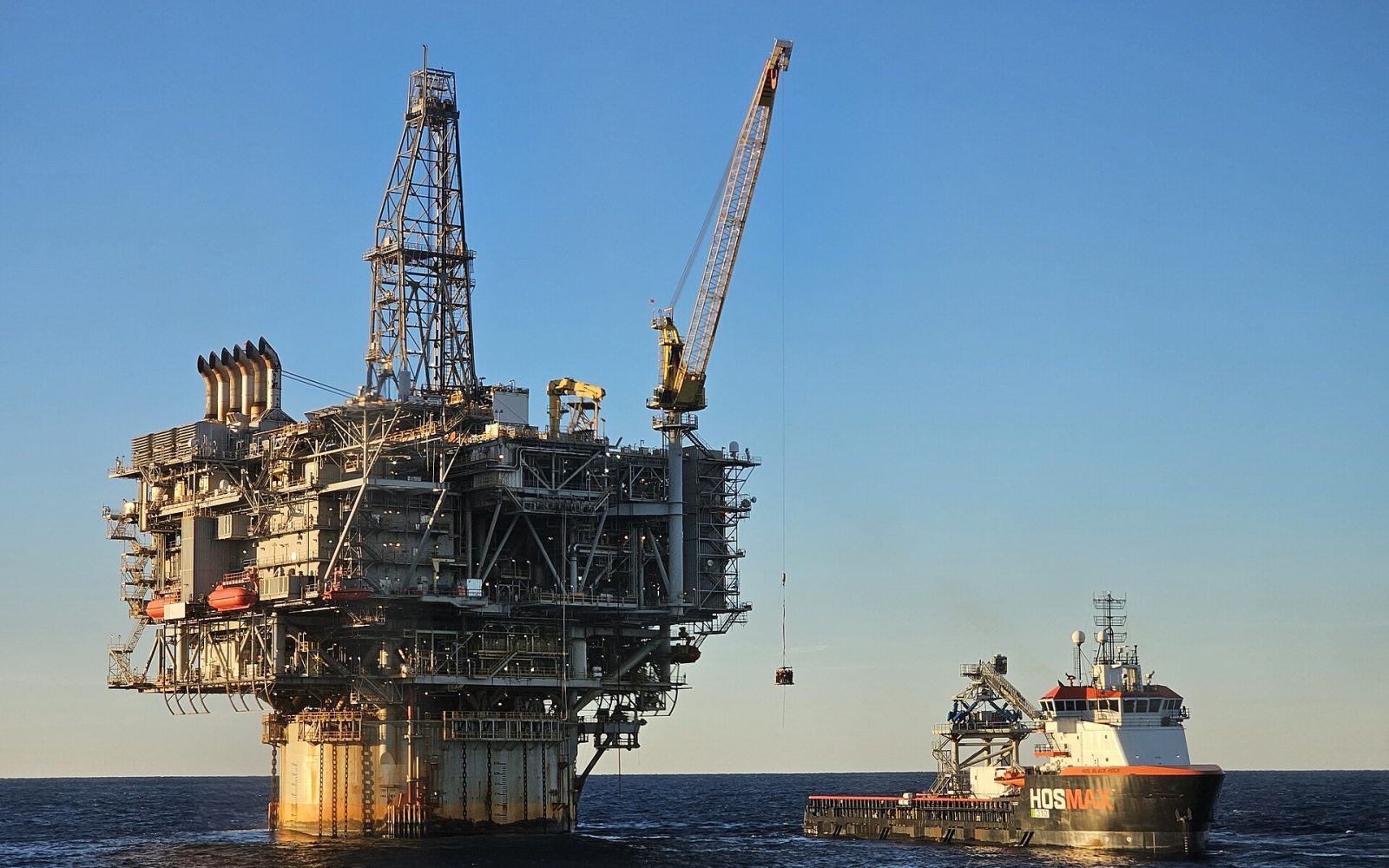
Polysiloxane coatings emerged as a high-performance alternative to aliphatic polyurethane topcoats on offshore platforms, bridges, petrochemical plants, power stations and architectural steelwork. They give a hard, glossy finish that resists ultraviolet light and weathering for many years, and they can reduce the number of coats in a protective system.
The term is easy to confuse with related technologies. Polysiloxane topcoats are different from high-temperature silicone coatings and from penetrating silane and siloxane water repellents, even though all three share silicon chemistry.
Hybrid chemistry
A polysiloxane coating is built around siloxane resins carrying reactive alkoxy groups. In the presence of atmospheric moisture, these groups hydrolyze and condense to form Si–O–Si linkages, building an inorganic network similar in principle to glass. Because the Si–O bond is far more stable to ultraviolet light than carbon-based bonds, the network resists the breakdown that causes chalking and fading.
A purely inorganic film would be brittle, so manufacturers combine the siloxane with organic resins:
- Epoxy polysiloxanes use a non-aromatic (often hydrogenated) epoxy resin and an aminosilane curing agent. The amine reacts with the epoxy, while the silane groups join the siloxane network, linking the two phases.
- Acrylic polysiloxanes combine acrylic resins with siloxane, offering good flexibility, gloss and weathering in one- or two-component forms.
Most products are two-component, high-solids and low-VOC. Many contain no isocyanate, which appeals to owners seeking to reduce isocyanate exposure for applicators.
How they compare with other topcoats
| Property | Aliphatic polyurethane | Polysiloxane | Fluoropolymer (FEVE) |
|---|---|---|---|
| Gloss and color retention | Very good | Excellent | Excellent |
| Isocyanate | Yes | Usually no | Usually yes |
| Typical DFT per coat | 2–3 mils (50–75 µm) | 3–6 mils (75–150 µm) | 1.5–3 mils (40–75 µm) |
| Flexibility | Good | Moderate | Good |
| Recoatability after aging | Good with cleaning | Can be difficult | Requires care |
| Relative cost | Moderate | Higher | Highest |
Values are typical and vary by product. For the fluoropolymer option, see fluoropolymer coatings.
System design and uses
A classic exterior steel system uses a zinc-rich primer, an epoxy intermediate and a polyurethane topcoat. Polysiloxanes enable alternatives:
- Three-coat: zinc primer, epoxy intermediate, polysiloxane finish, for maximum durability in severe environments.
- Two-coat: zinc-rich primer or high-build epoxy, followed by a thicker polysiloxane coat, saving a full application cycle where the specification and the environment allow.
Whether a two-coat system meets durability requirements depends on corrosivity category, required life and the test data behind the products; ISO 12944 provides the framework many specifiers use. Typical uses include offshore topsides, bridges, tank exteriors, stadiums, transit structures and process plant steelwork where appearance and low maintenance matter.
Where polysiloxanes are not the best fit
Polysiloxane topcoats are designed for atmospheric exposure. They are generally not chosen for immersion linings, for substrates that flex or move significantly, or for jobs where crews must recoat repeatedly over long, unpredictable intervals. On galvanized steel, aluminum and other non-ferrous metals, the primer or tie coat recommended by the manufacturer matters more than the topcoat itself. Where frequent touch-up by maintenance crews is expected, the easier recoatability of a polyurethane or acrylic may outweigh the longer gloss life of a polysiloxane.
Some manufacturers also offer inorganic or highly modified polysiloxanes for elevated-temperature service. These are distinct products with their own data sheets and should not be assumed to share the heat resistance of dedicated silicone coatings.
Advantages and limitations
Advantages
- Outstanding gloss and color retention outdoors
- Usually isocyanate-free
- High solids, low VOC
- Hard, dirt- and graffiti-resistant surface
- Can reduce coat count in some systems
Limitations
- Cure slows in cold, dry conditions
- Less flexible; can crack if applied too thick
- Aged surfaces can be hard to recoat
- Higher material cost than urethanes
- Sensitive to mixing and application technique
Application and cure
Polysiloxanes are usually applied by airless spray over a fully cured, clean primer or intermediate coat. Because they rely on moisture for the siloxane condensation, cure slows in very dry air and at low temperature, and data sheets often specify a minimum relative humidity as well as temperature. High humidity speeds the reaction but can affect appearance if combined with condensation.
Polysiloxanes are often applied at higher film builds than urethanes, which makes them prone to sags on vertical surfaces and cracking at heavy edges. Measure wet film constantly and keep within the maximum thickness on the data sheet.
Recoating an aged polysiloxane can be challenging because the surface becomes very hard and low in energy. Manufacturers typically require thorough cleaning and abrasion, and sometimes a specific tie coat. Gloss and color retention claims are usually supported by accelerated weathering tests and field exposure; ask for both when comparing products.
Inspection follows normal practice for high-performance topcoats: verify the primer is clean and within its recoat window, measure wet and dry film thickness, and check appearance for sags, dry spray and uneven gloss. Because the finish is so hard, poorly cured or contaminated intermediate coats beneath it are difficult to detect later, so quality control on the earlier coats matters as much as on the polysiloxane itself.
Frequently asked questions
Is polysiloxane better than polyurethane?
For gloss and color retention, generally yes. Polyurethanes are often more flexible, easier to recoat and cheaper. The choice depends on the owner’s priorities and the environment.
Do polysiloxanes contain isocyanates?
Most epoxy and acrylic polysiloxanes do not, but some hybrids use isocyanate-containing components. Check the safety data sheet.
Can polysiloxane go directly on steel?
Some products are designed as direct-to-metal finishes for mild exposures, but most protective systems use a zinc or epoxy primer beneath.
Why is my polysiloxane still soft the next morning?
Cold, dry air slows the moisture-driven part of the cure. Check that temperature and relative humidity met the data sheet minimums, and allow more time before handling or recoating.
Educational reference. Coating performance varies by formulation. Always follow the manufacturer’s product data sheet, safety data sheet and your project specification.