Sags & Runs
Why wet coatings sag, curtain and run on vertical surfaces, how to find the cause from film thickness and conditions, and how to fix and prevent it.
Key takeaways
- Sags, runs and curtains form when a wet film on a vertical or inclined surface flows downward under gravity before it sets.
- Excessive wet film thickness is the most common cause, followed by over-thinning, cold conditions and poor spray technique.
- Besides looking poor, sags create overly thick areas that can trap solvent, cure slowly, crack or exceed maximum film thickness.
- Brush out sags while wet if possible; once cured, sand or grind them flush, verify thickness and touch up.
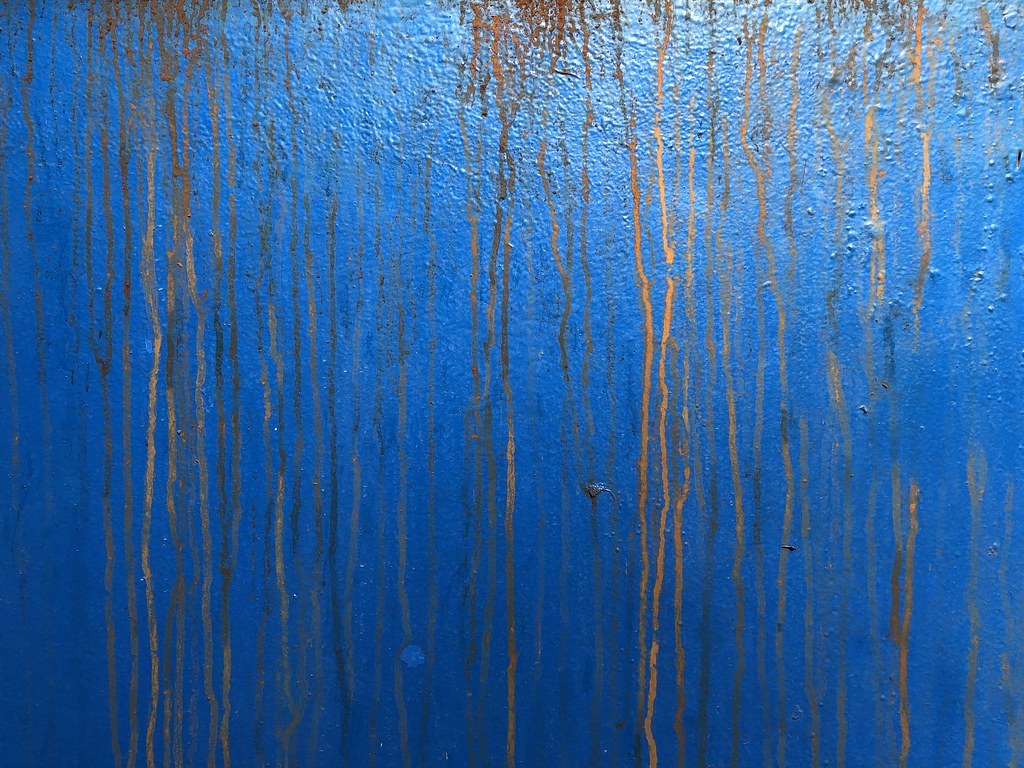
Sagging is the downward movement of a wet coating film on a vertical or sloped surface. It ranges from a gentle thickening at the bottom of a panel to dramatic curtains or drips hanging from edges and bolt heads. Every applicator has produced a sag at some point, but frequent sagging signals a mismatch between the product, the conditions and how it is being applied.
What sags and runs look like
Several related terms describe the same basic problem:
- Sags — localized thickening and downward bulging of the film, often with a thin area above.
- Curtains — broad, wavy bands across a surface, like a drawn curtain, usually from heavy overlapping passes.
- Runs — narrower streams that travel some distance, often ending in a bead or teardrop.
- Drips — beads hanging from lower edges, flange undersides and fasteners.
Sags tend to cluster at weld seams, inside corners, edges and below obstructions where film builds up or the applicator double-coats. A surface with a regular wavy pattern points to technique; isolated sags at edges and welds may come from stripe coating that was too heavy.
What causes sagging
A coating resists sagging through its rheology: many high-build products are thixotropic, thinning under shear in the spray tip and then recovering viscosity on the surface. Sagging occurs when the gravity force on the wet film exceeds the film’s ability to hold itself, and the heavier the film, the greater that force. See rheology and viscosity for the science.
Application factors
- Wet film thickness above the product’s sag limit, often from slow gun travel, excessive overlap or doubling back.
- Gun held too close to the surface, or a tip that is too large for the product.
- Applying full coats to complex steel where edges and corners collect material.
Material factors
- Over-thinning, which lowers viscosity and dilutes the thixotrope.
- Inadequate mixing, especially of products with settled fillers or rheology additives.
- Using a slower thinner than intended, keeping the film fluid longer.
Environmental factors
- Cold substrate or material, which slows solvent loss and cure while keeping viscosity in the sprayable range for longer.
- Warming of cold steel after application, which can briefly lower film viscosity.
- High humidity, which slows evaporation of waterborne coatings.
Diagnosing the cause
| Cause | Clues | Check | Prevention |
|---|---|---|---|
| Excess wet film | Sags where passes overlap or gun lingered | Wet film gauge readings; DFT around sags | Measure WFT continuously; split into two coats |
| Over-thinning | Widespread sagging even at normal film build | Thinner type and quantity on mix records | Thin only within data sheet limits |
| Cold conditions | Sagging worse early in the day or in shade | Surface and material temperatures | Warm material and work area; follow cold-weather limits |
| Poor mixing | Variable sagging within one batch | Mixing method, time, settled residue in can | Power-mix to uniform; check can bottom |
| Technique | Wavy curtains in a regular pattern | Observe gun distance, speed and overlap | Train on consistent distance and 50% overlap |
| Edge build-up | Drips at edges, welds, bolts | Stripe coat thickness | Brush stripe coats out; avoid heavy edges |
Thickness records are the most useful evidence. Compare recorded wet film thickness readings with the product data sheet’s maximum, and measure dry film thickness at, above and below sags. Laboratory sag resistance is commonly evaluated with ASTM D4400, which uses a multinotch applicator to find the thickest film a product holds on a vertical surface under test conditions.
A sag can look cured on the surface while remaining soft underneath. Press firmly with a thumbnail or cut into it before assuming it is ready to sand or overcoat. Thick sections are prone to solvent entrapment and, in some products, cracking.
Repairing sags and runs
While the coating is wet
Brush or back-roll fresh sags out immediately with a clean brush, working the excess material into the surrounding film. This is quick and effective within the first few minutes but is impractical for fast-setting plural-component products.
After the coating has cured
- Confirm cure. Make sure the thick section has hardened through, not just at the surface.
- Remove the excess. Sand, scrape or grind the sag flush with the surrounding film without cutting into lower coats or the substrate.
- Inspect the area. Check for softness, cracking or bubbles exposed by sanding, which indicate retained solvent and may require full removal.
- Measure thickness. Verify DFT meets the specified minimum and maximum after sanding.
- Clean and touch up. Remove dust, feather edges and apply touch-up within the recoat window.
Small sags that meet maximum thickness and cure properly may be accepted on some industrial work. Major curtains or runs that exceed maximum thickness generally should be corrected.
Prevention
- Measure wet film constantly and know the product’s maximum per coat.
- Use the recommended tip size and pressure; replace worn tips. See spray gun technique.
- Build film in two or more coats rather than one heavy coat where the data sheet allows.
- Keep material and steel within temperature limits, and avoid adding thinner to compensate for cold.
- Brush out stripe coats, and run lighter passes over edges and complex details.
On tall vertical surfaces, start at the top and keep a wet edge moving downward, checking the previous bay for sags as you work. Catching a sag while the film is still workable saves a cured-film repair.
Frequently asked questions
Can a high-build coating still sag?
Yes. High-build products tolerate thicker films, but every product has a limit, and over-thinning or cold conditions reduce it.
Are sags a structural problem?
Usually not, but very thick areas may crack, retain solvent or exceed maximum thickness, which can affect performance.
What is the difference between a sag and a run?
A sag is a localized droop with limited travel; a run is a stream that flows farther down the surface. Both have the same causes.
Educational reference. Coating performance varies by formulation. Always follow the manufacturer’s product data sheet, safety data sheet and your project specification.