Saponification
How alkali turns oil-based and alkyd coatings into soft, sticky soap — on fresh concrete, galvanizing, zinc primers and cathodically protected steel — and how to avoid it.
Key takeaways
- Saponification is a chemical reaction in which alkali breaks the ester linkages in oil-based and alkyd binders, turning the film into a soft, sticky, soap-like material.
- It happens where an alkaline substrate meets moisture: fresh concrete and masonry, galvanized steel, zinc-rich primers and cathodically protected steel.
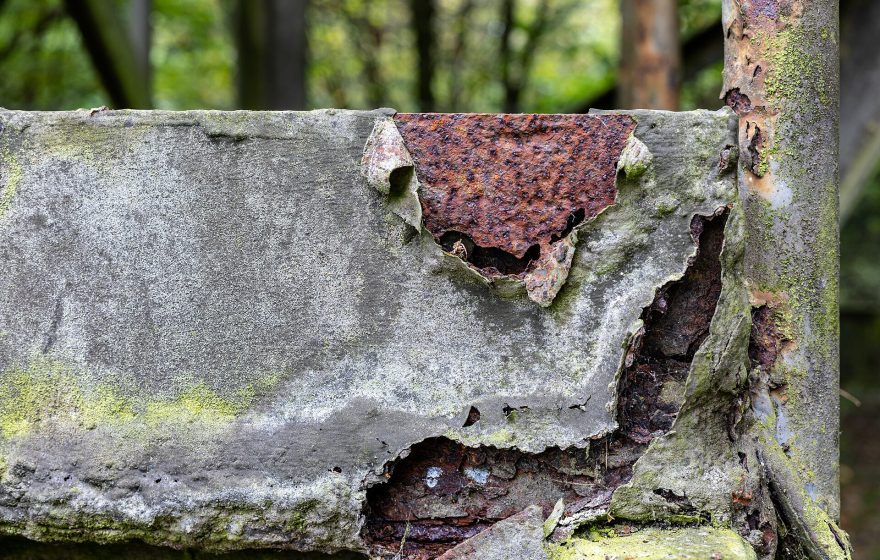
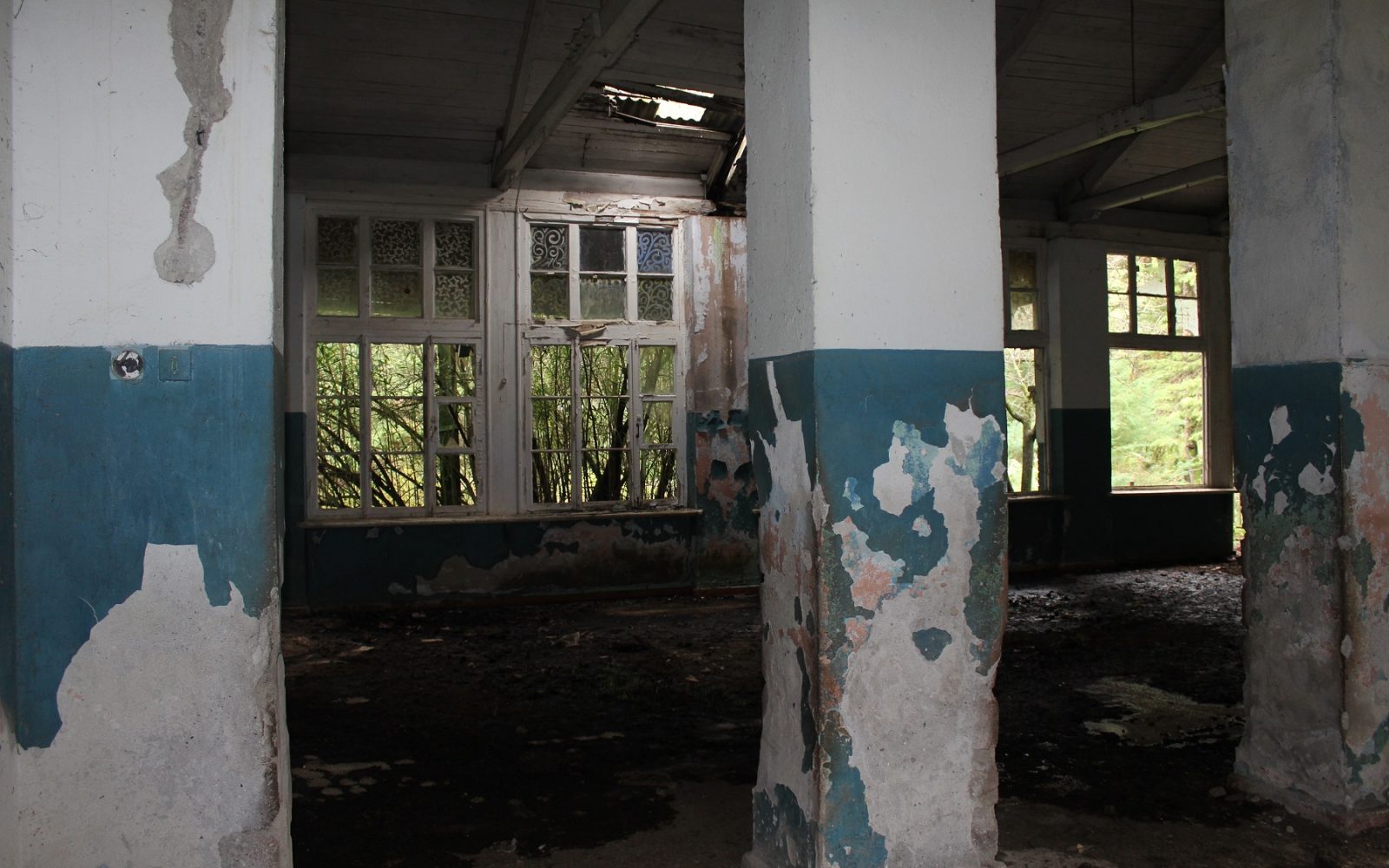
- Affected coating loses adhesion and often peels in sheets, sometimes with a brown, greasy residue underneath.
- The cure is removal and replacement with an alkali-resistant system; the prevention is simply not putting ester-based binders on alkaline surfaces.
The word saponification comes from soap making, where fats and oils are boiled with lye to make soap. The same chemistry takes place, much more slowly, when a coating based on drying oils or alkyd resins is placed against an alkaline surface and water is present. The ester bonds that hold the binder together are hydrolyzed, the film loses its integrity and the soap that forms has no useful adhesion.
Saponification is one of the clearer examples of a coating failure caused by a mismatch between coating chemistry and substrate. It is common in maintenance painting, architectural work and DIY projects where an oil-based product was the familiar choice.
What saponification looks like
- Soft, tacky or sticky coating that never seems to dry, or that softens again in damp weather.
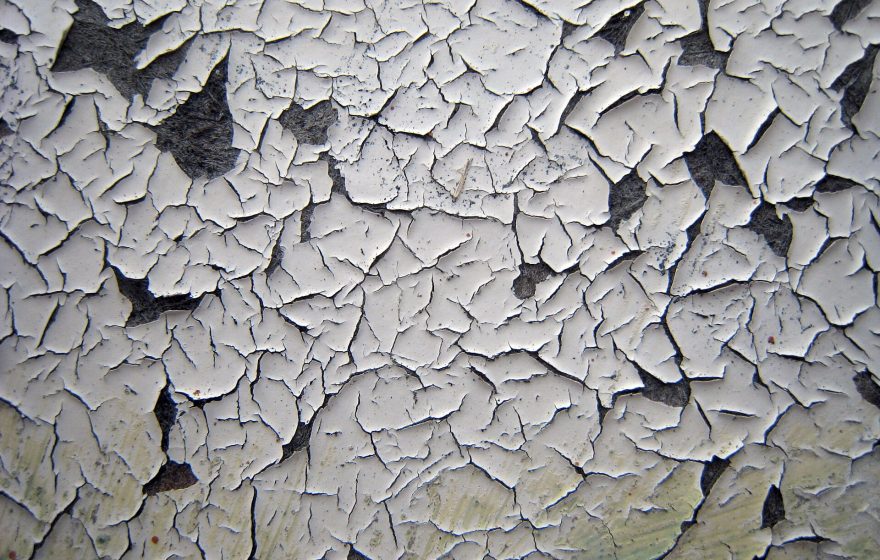
- Loss of adhesion and peeling, often in large flakes or sheets that come away cleanly.
- A brown or amber, greasy or soapy residue at the interface or running out of the film; in severe cases liquid droplets form.
- Discoloration and blotchiness, particularly on masonry and stucco.
- Localization to alkaline areas: new concrete patches, mortar joints, galvanized fasteners or zinc-primed members, while the same paint elsewhere performs well.
The chemistry in brief
Alkyds and drying oils are polyesters: their backbone and side chains contain ester linkages formed from acids and alcohols. Hydroxide ions in a wet alkaline environment attack these ester groups, splitting them into an alcohol and a metal salt of a fatty acid — a soap. As more linkages break, the crosslinked film reverts to soluble or swollen fragments.
Two conditions must coexist: alkalinity and moisture to carry the hydroxide ions. Fresh portland cement concrete pore water is strongly alkaline, typically around pH 12.5 to 13.5. Zinc surfaces form alkaline corrosion products in damp conditions and zinc ions readily form zinc soaps with the fatty acids in oil-based binders. On cathodically protected steel, the cathodic reaction generates hydroxide at the steel surface, which is why ester-based coatings are unsuitable under CP — a related mechanism to cathodic disbondment.
Not every binder is vulnerable. Epoxies, many acrylics, vinyls, chlorinated rubber, and inorganic silicate binders have far better alkali resistance than alkyds and oils because they lack, or contain fewer, easily hydrolyzed ester groups in their backbone.
Common causes
- Alkyd or oil paint on fresh concrete, plaster or masonry that has not cured or carbonated sufficiently, especially with ongoing moisture.
- Alkyd applied directly to galvanized steel or to zinc-rich primers without an appropriate barrier tie coat.
- Ester-based coatings on cathodically protected structures such as hulls, piles and tanks.
- Moisture behind the film from rising damp, leaks, condensation or water vapor drive through slabs and walls.
- Alkaline cleaners left on the surface or used repeatedly on coated surfaces without thorough rinsing.
Diagnosing saponification
A few simple observations usually confirm it:
- Identify the binder. Check records or the product data sheet; a field solvent test or laboratory FTIR analysis can confirm an alkyd or oil binder.
- Measure surface alkalinity. Wet the exposed substrate and check pH with indicator paper or a pH pencil; a strong reading on concrete or zinc supports the diagnosis.
- Examine the residue. A brownish, soapy or slippery feel at the interface is characteristic. The residue may lather slightly when rubbed with water.
- Look for moisture sources. Map failures against leaks, joints, ground contact and wet areas.
- Compare with control areas. The same coating on non-alkaline substrates will usually be sound.
| Cause | Clues | How to check | Prevention |
|---|---|---|---|
| Alkyd on fresh concrete | Sticky film, blotches, peeling on new pours and patches | Surface pH; age and cure of concrete | Use alkali-resistant primer; allow concrete to cure |
| Alkyd on galvanizing | Sheet peeling, clean zinc beneath | Identify substrate and binder | Use primers approved for galvanizing |
| Ester coating under CP | Softening and lifting near anodes or holidays | CP records; pH of blister liquid | Select CP-compatible coatings |
| Persistent moisture | Failure concentrated at wet areas | Moisture survey, leak inspection | Fix water source; breathable system |
| Alkaline cleaner residue | Softening after wash-down | Rinse-water pH, cleaning records | Rinse thoroughly; use neutral cleaners |
Repair
Saponified coating cannot be rescued; the film is chemically degraded. Repair involves:
- Complete removal of the affected coating and soapy residue, by scraping, power tools, chemical stripping or abrasive methods appropriate to the substrate.
- Cleaning with water and a suitable detergent, followed by thorough rinsing, so no soap or alkali remains to contaminate the new system.
- Correcting moisture problems before recoating.
- Recoating with an alkali-resistant system: for concrete and masonry, commonly acrylic, epoxy or other products rated for alkaline substrates; for galvanizing, primers specifically approved for zinc surfaces.
Overcoating a saponified alkyd with a premium topcoat does not stop the failure. The new coat will only be as good as the soft layer beneath it, and some solvents can make things worse by softening it further.
Prevention
The single most effective measure is to match binder to substrate. For new concrete, many manufacturers recommend waiting until the concrete has cured — often around 28 days is cited as a general guideline — and confirming moisture and pH before coating; follow the product data sheet, since some products are designed for green or damp concrete. See coating concrete for broader substrate guidance.
For zinc surfaces, avoid alkyds directly on galvanizing or zinc primers unless the manufacturer specifically approves a system; the coating galvanized steel article explains suitable duplex systems. Where cathodic protection is present, choose coatings tested for CP service.
Frequently asked questions
Can latex paint saponify?
Most modern acrylic latex paints have good alkali resistance and are routinely used on masonry. Some vinyl acetate copolymers and oil-modified products are less resistant, so check the data sheet for suitability on alkaline surfaces.
Will old concrete still cause saponification?
Mature concrete is less of a risk because its surface carbonates over time, lowering surface pH, but the interior remains alkaline. If moisture moves through the slab or wall, alkali can still reach the coating.
Is saponification the same as efflorescence?
No. Efflorescence is a deposit of salts carried to the surface by water; saponification is a chemical breakdown of the coating binder. They can occur together on damp masonry.
Educational reference. Coating performance varies by formulation. Always follow the manufacturer’s product data sheet, safety data sheet and your project specification.