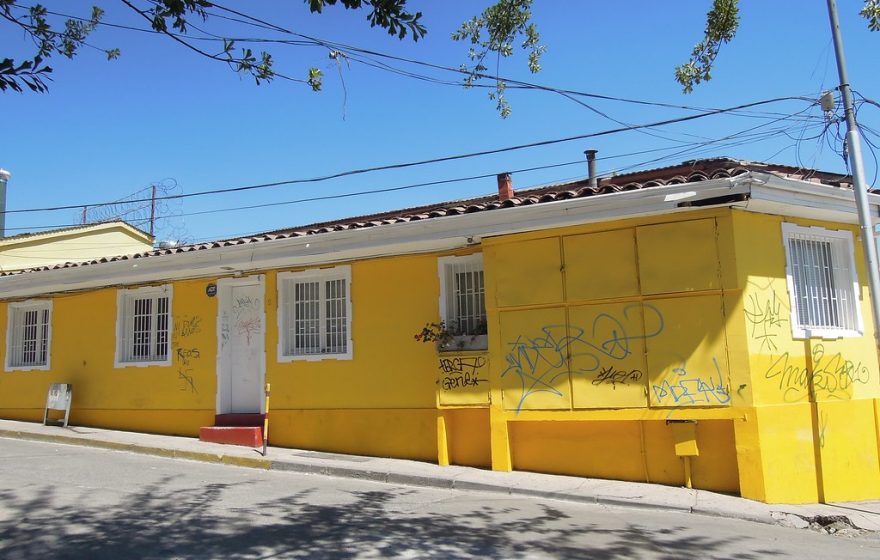
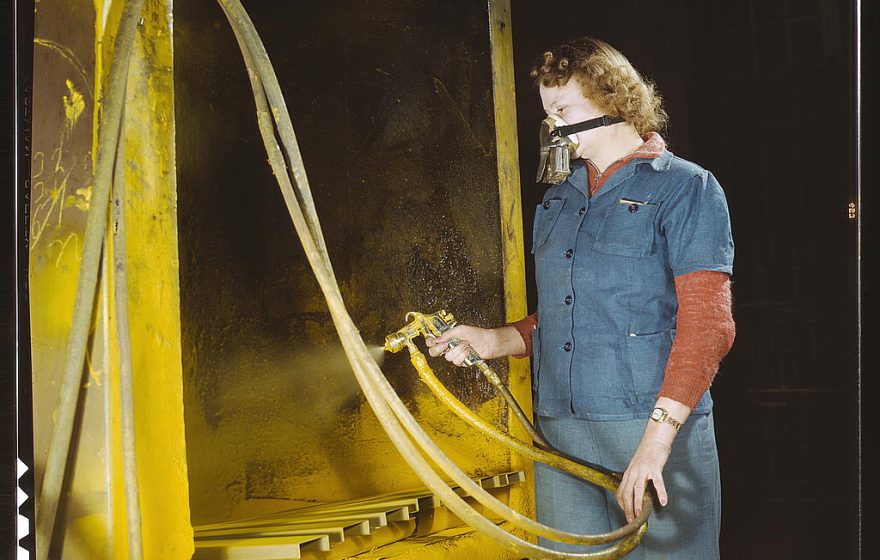
Failures Yellowing & Discoloration Why coatings yellow or change color — UV on aromatic epoxies, alkyd dark-yellowing, heat, exhaust gases, chemicals — and how… 4 min read
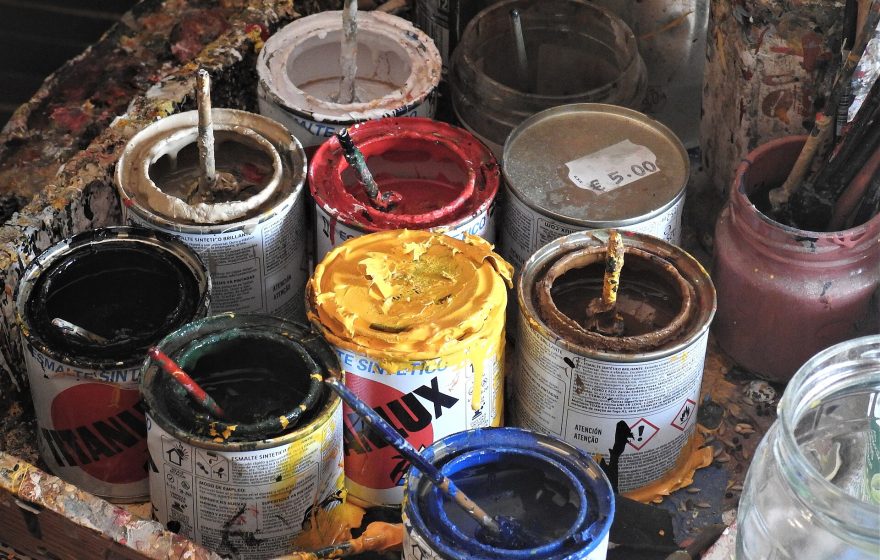
Chemistries Novolac Epoxy Coatings What makes novolac epoxy different from standard epoxy, where its heat and chemical resistance pays off, and how to apply… 4 min read
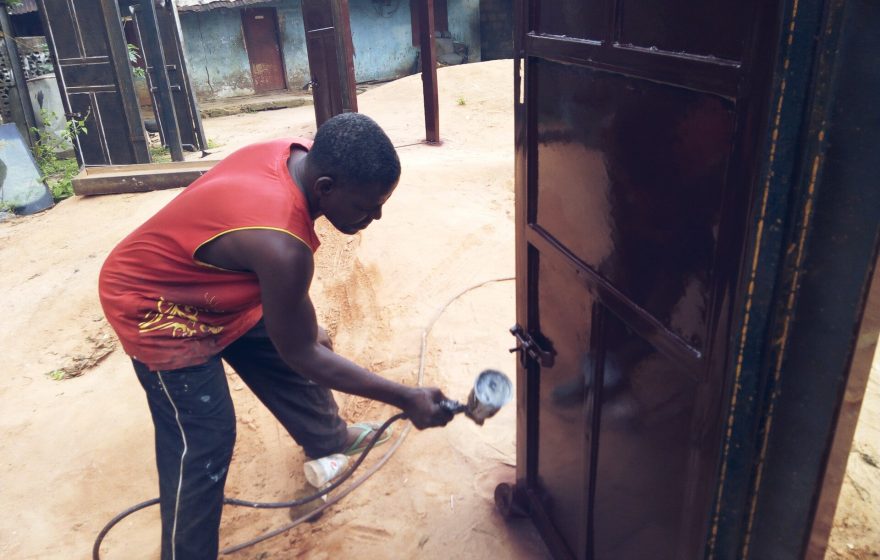
Substrates Coating Wood How to coat wood — moisture movement, UV damage and species effects, paints vs stains vs clear finishes, preparation, priming… 5 min read
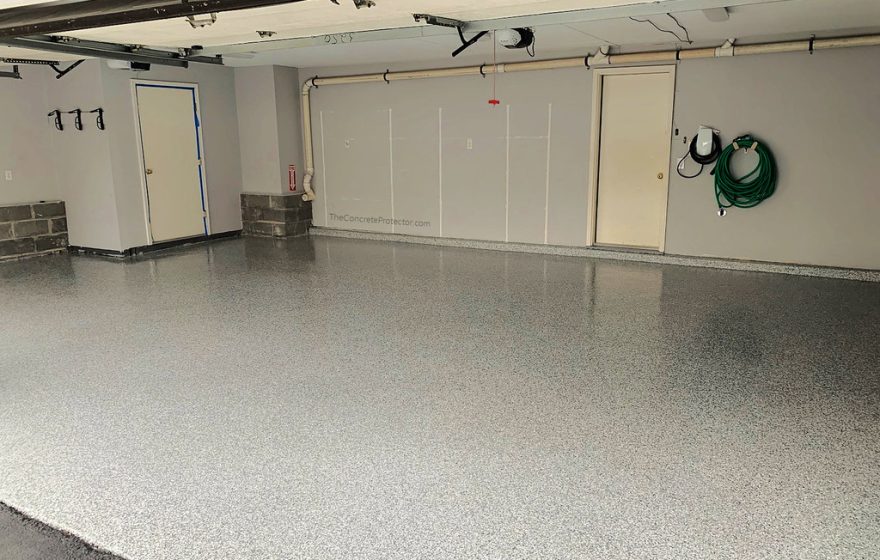
Chemistries Urethane Cement Flooring What urethane cement flooring is, how it handles thermal shock and chemicals, typical grades and thicknesses, and how it is… 5 min read
Science Isocyanate Chemistry How isocyanates react with polyols, amines and water; aromatic vs aliphatic types; prepolymers, mix index and moisture sensitivity in coatings. 5 min read
Science Volume Solids & Coverage Explained Volume solids explained: the 1604 coverage formula, its metric m²/L equivalent, wet film thickness, thinning adjustments and real-world loss factors. 5 min read
Methods Spray Gun Technique Core spray gun technique for protective coatings: gun distance, angle, speed, 50% overlap, triggering, sequencing and fixing common defects. 5 min read
Applications Garage Floor Coatings Garage floor coating systems compared: epoxy, polyaspartic and flake broadcast, plus hot tire pickup, slab moisture, grinding prep and common… 5 min read
Chemistries Ceramic & Ceramic-Filled Coatings What ceramic and ceramic-filled coatings are, how wear-resistant, high-temperature and insulating types differ, and how to judge performance claims. 4 min read
Methods Plural-Component Spray Equipment How plural-component spray rigs meter, heat and mix fast-curing coatings, impingement vs static mixing, ratio checks and key safety practices. 6 min read
Safety Reading Safety Data Sheets (SDS) How to read the 16-section GHS safety data sheet for coatings, thinners and abrasives — hazards, PPE, exposure limits, flash… 4 min read
Science Epoxy Curing Agents How epoxy curing agents work — amines, polyamides, amidoamines, phenalkamines, anhydrides and latent hardeners — plus mix ratios and amine… 5 min read