Ceramic & Ceramic-Filled Coatings
“Ceramic coating” covers everything from ceramic-filled epoxy wear compounds to sprayed thermal barriers and insulating paints. Knowing which kind you are dealing with is the key to realistic expectations.
Key takeaways
- “Ceramic coating” is a marketing umbrella; the main families are ceramic-filled polymers, true inorganic ceramic films and insulating coatings filled with hollow microspheres.
- Ceramic-filled epoxies are trowel- or brush-applied wear compounds used to rebuild and protect pumps, chutes, pipe elbows and tanks.
- True ceramic coatings, applied by thermal spray, sol-gel or inorganic binders, resist much higher temperatures than organic coatings.
- Insulating ceramic paints mainly help with personnel protection and condensation control; thin films cannot match the R-value of conventional insulation.
Few coating terms are used as loosely as “ceramic.” The word appears on epoxy pump-repair putties, high-temperature exhaust paints, plasma-sprayed turbine thermal barriers, automotive detailing products and insulating wall paints. These products share little beyond containing some inorganic, oxide- or carbide-based material.
This article sorts them into practical families, explains what the ceramic component actually contributes and offers guidance on evaluating claims. For thin silica-based films sold for vehicles and glass, see Nanocoatings.
Families of ceramic coatings
| Family | Binder | Ceramic component | Typical uses |
|---|---|---|---|
| Ceramic-filled polymers | Epoxy, novolac epoxy, urethane | Alumina, silicon carbide, ceramic beads | Pump and valve repair, chutes, elbows, cyclone linings |
| High-temperature inorganic | Silicate, phosphate, modified silicone | Oxide pigments and fillers | Exhaust systems, stacks, furnace parts |
| Thermal-sprayed ceramics | None (fused particles) | Alumina, chromia, zirconia | Thermal barriers, wear surfaces, electrical insulation |
| Sol-gel and thin films | Silica or other metal-oxide networks | Formed in situ | Glass, metal pretreatment, easy-clean surfaces |
| Insulating coatings | Acrylic, silicone or epoxy | Hollow glass or ceramic microspheres, aerogel | Hot pipe and vessel touch-safety, condensation control |
Ceramic-filled wear compounds
The most widely used industrial ceramic coatings are two-component epoxy systems heavily loaded with hard ceramic particles. Fine-particle “brushable” grades are applied in films of roughly 20–40 mils (0.5–1 mm) to smooth flow surfaces and resist erosion-corrosion; coarse or bead-filled “trowelable” grades are applied at ¼ in (6 mm) or more to rebuild worn metal and resist sliding abrasion.
The ceramic particles carry the wear while the epoxy binds them and seals the substrate. Performance depends on particle hardness, size, shape and loading, and on the binder’s chemical and temperature resistance. Novolac and other high-temperature binders extend service in hot or acidic duty, typically into the range of about 200–400 °F (93–204 °C) depending on immersion and chemistry.
Typical service
- Pump casings, impellers and volutes suffering cavitation or slurry erosion
- Pipe elbows and tees in pneumatic conveying and slurry lines
- Chutes, hoppers, cyclones and fan housings in mining and heavy equipment
- Heat exchanger tube sheets and water boxes
Match the product to the wear mode. Fine, smooth-finish grades suit high-velocity, fine-particle erosion; large-bead grades suit impact and sliding of coarse material. A single “ceramic epoxy” rarely does both well.
High-temperature and thermal-barrier ceramics
Organic binders soften and decompose at elevated temperature, so coatings for exhausts, stacks and furnace parts use inorganic or hybrid binders such as silicates, phosphates and highly modified silicones. These can tolerate temperatures well above what any epoxy can, with ratings that vary widely by product.
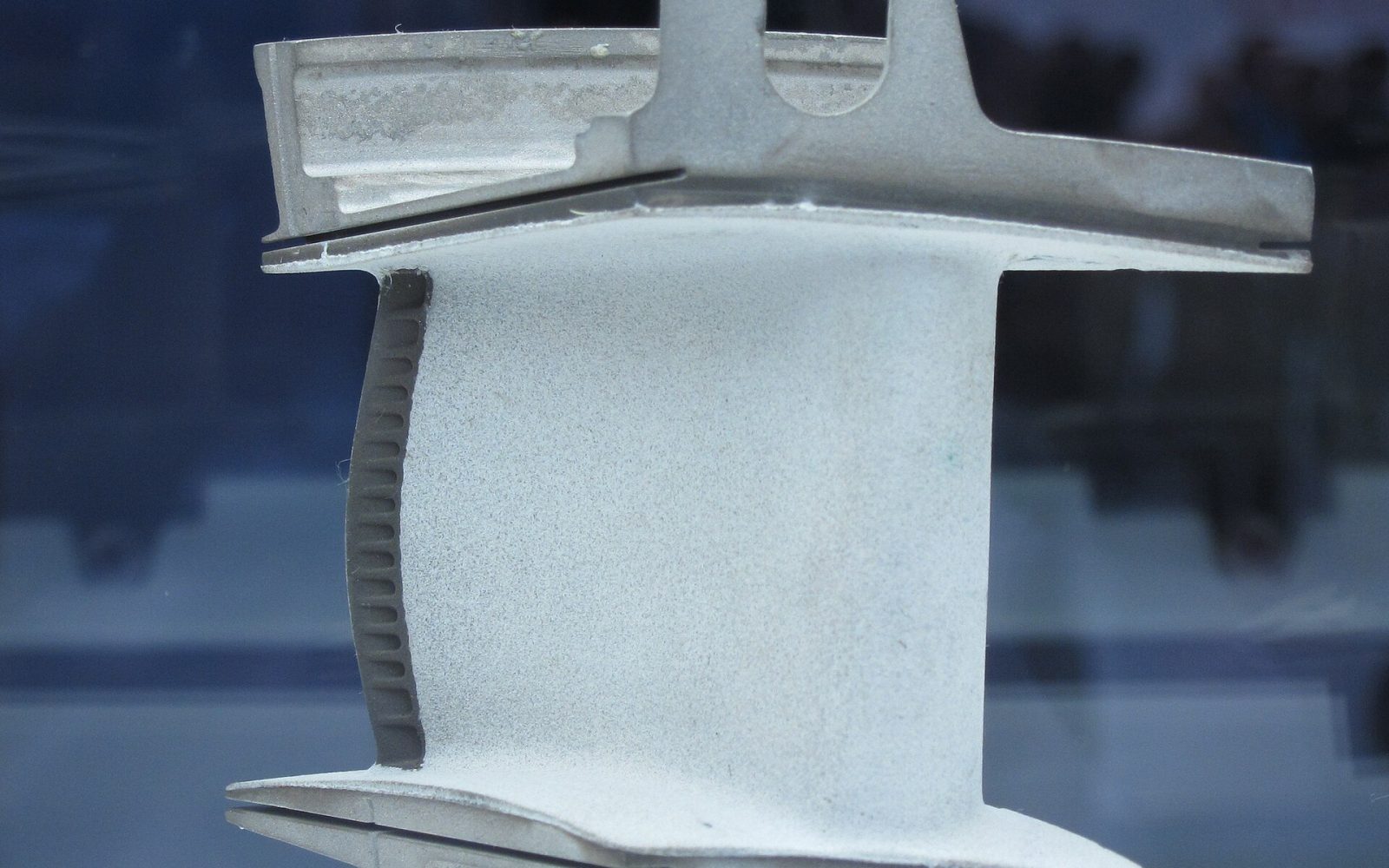
True ceramic layers such as alumina, chromium oxide and yttria-stabilized zirconia are applied by plasma or other thermal-spray processes. Zirconia thermal-barrier coatings protect gas-turbine hot sections; alumina and chromia coatings provide wear resistance and electrical insulation on shafts, rolls and seals. These processes are related to thermal spray metallizing but use higher-energy equipment and are generally shop-applied.
Insulating ceramic coatings
Insulating coatings use hollow glass or ceramic microspheres, or aerogel particles, in a polymer binder. They are applied in multiple coats to build films often measured in tens to hundreds of mils.
Realistic benefits include reducing surface temperature on hot pipes and vessels to lower the risk of contact burns, reducing condensation on cold surfaces, and providing an inspectable insulating layer that limits corrosion under insulation. However, a thin film cannot provide the same thermal resistance as a much thicker layer of conventional insulation. Ask for thermal conductivity data from recognized methods such as ASTM C518, and calculate heat loss at the actual thickness you will apply.
Be skeptical of claims that a few mils of “ceramic paint” equal several inches of insulation or dramatically cut energy bills. Request independent test data and calculate results for your own operating temperatures.
Advantages and limitations
Advantages
- Excellent abrasion and erosion resistance from hard fillers
- Rebuild worn equipment in place, often faster than replacement
- Inorganic and sprayed ceramics resist very high temperatures
- Good chemical resistance with suitable binders
Limitations
- The term is poorly defined, so product comparisons are difficult
- Filled epoxies are brittle under heavy impact
- Thick wear compounds are labor-intensive to apply and cure slowly in cold conditions
- Insulating claims are frequently overstated
Surface preparation, application and testing
Ceramic-filled epoxies need clean, profiled metal. Remove oils and absorbed contaminants, which on pump castings may require steam cleaning or heating to sweat out oil, then abrasive blast to a near-white or white metal finish with an angular profile, commonly around 3–5 mils (75–125 µm) for thick wear compounds. Apply within the time permitted on the product data sheet, before flash rust forms.
- Degrease and decontaminate. Remove oil, chlorides and process deposits.
- Blast. Achieve the cleanliness and profile in the data sheet.
- Rebuild. Fill pits and missing metal with a trowelable grade, using forms or templates as needed.
- Topcoat. Apply a brushable grade to seal and smooth the surface.
- Cure and inspect. Allow full cure, verify thickness and check for holidays before return to service.
Abrasion resistance is often compared using Taber testing under ASTM D4060, though lab results may not predict slurry erosion in service. See Abrasion & Hardness Testing.
Frequently asked questions
Is a ceramic coating harder than an epoxy?
The ceramic particles are much harder than any polymer, but most industrial “ceramic coatings” are still epoxy-bound. The film’s hardness and impact resistance depend on the binder as well as the filler.
Can ceramic epoxies be used in potable water?
Only products specifically certified for that use, such as to NSF/ANSI/CAN 61, should contact drinking water. Many industrial wear compounds are not certified.
Do ceramic coatings stop corrosion?
Filled epoxies form a barrier that protects metal from corrosion while intact. Porous thermal-sprayed ceramics usually need a sealer or a corrosion-resistant bond coat underneath.
How are worn ceramic coatings repaired?
Damaged areas are usually cleaned, roughened and rebuilt with the same or a compatible compound, following the manufacturer’s recoat and repair instructions.
Educational reference. Coating performance varies by formulation. Always follow the manufacturer’s product data sheet, safety data sheet and your project specification.