Coal Tar Epoxy
Coal tar epoxy was the go-to coating for buried and submerged steel for decades. It still performs, but health and environmental concerns have narrowed its use.
Key takeaways
- Coal tar epoxy blends coal tar pitch with an amine- or polyamide-cured epoxy to make a thick, water-resistant black coating.
- It earned a long track record on sheet piling, penstocks, wastewater structures, buried pipe and ship ballast areas.
- Coal tar contains polycyclic aromatic hydrocarbons (PAHs), so many owners and regulators now restrict or avoid it.
- Short recoat windows, bleeding through topcoats and poor UV resistance are its main technical drawbacks.
For much of the twentieth century, coal tar epoxy (CTE) was the default coating for steel and concrete buried in soil or submerged in fresh water, seawater and sewage. It was inexpensive, built thick films in few coats and tolerated imperfect conditions better than many alternatives.
Today it is far less common. Worker exposure concerns, environmental restrictions and the availability of capable coal-tar-free epoxies have pushed many specifications away from CTE. Understanding it remains important, though, because it is still found on countless existing structures and is still specified in some places.
What coal tar epoxy is
Coal tar pitch is a by-product of making coke from coal. It is highly water-resistant, inexpensive and compatible with epoxy resins. In CTE, the pitch is blended into the epoxy component or the curing agent, and the two parts react through the epoxy–amine or epoxy–polyamide cure described in epoxy coatings. The pitch does not take part in the cross-linking; it acts as a plasticizing, hydrophobic extender within the epoxy network.
The result is a tough, somewhat flexible black film with very low water absorption and good resistance to soil chemicals, sewage and seawater. SSPC-Paint 16 describes a coal tar epoxy-polyamide coating and has long been referenced in specifications.
Where it was used
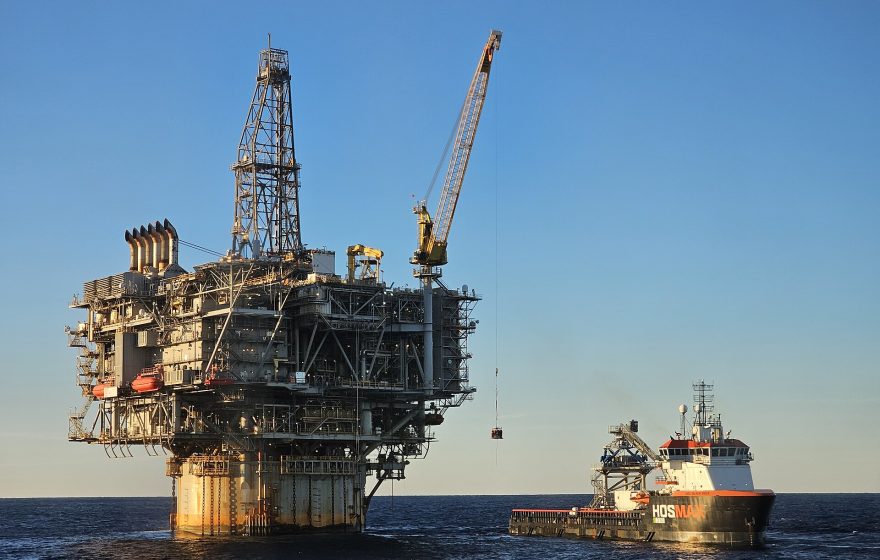
- Steel sheet piling, H-piles and marine structures in the splash and immersion zones
- Penstocks, gates and other hydraulic structures
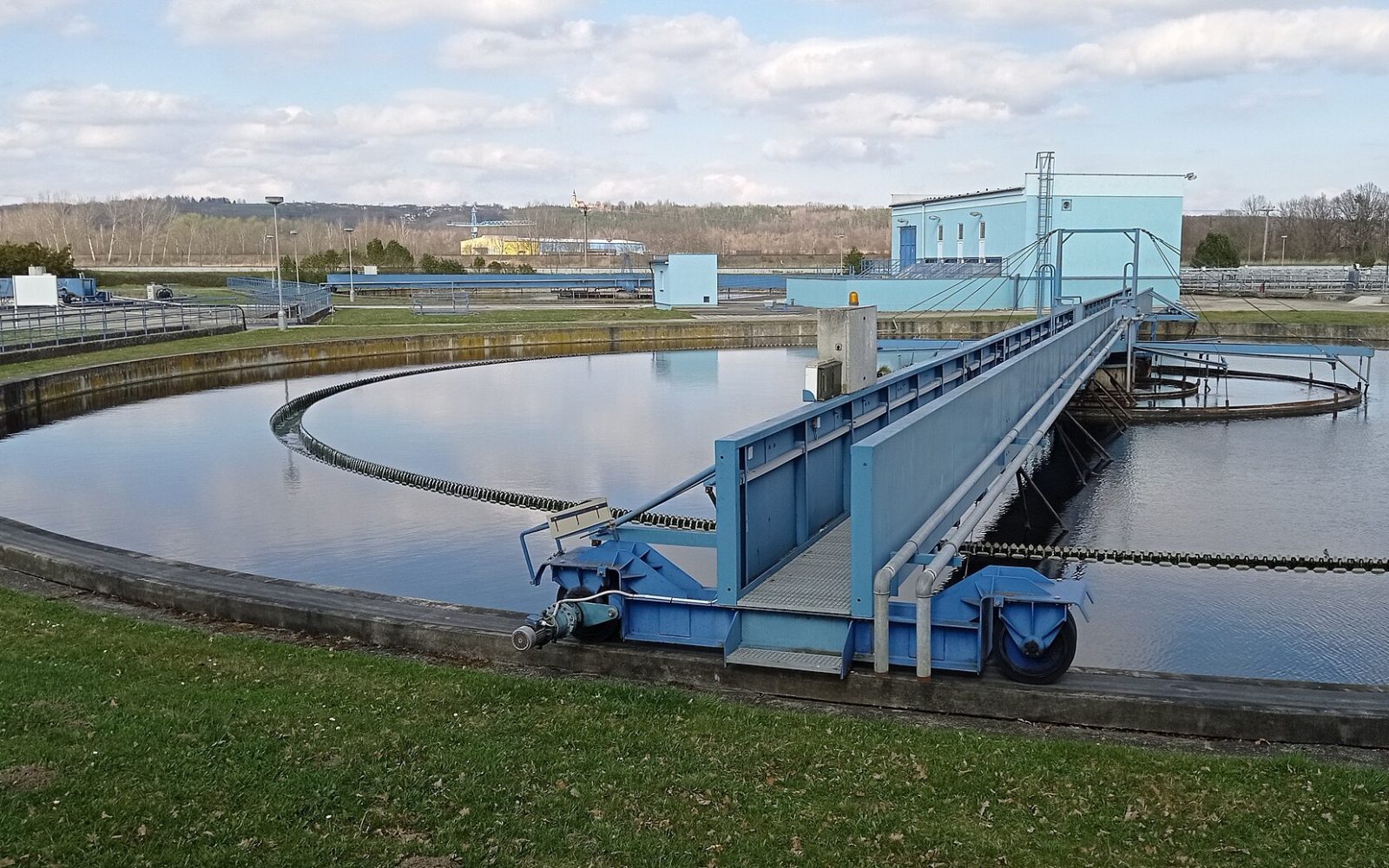
- Wastewater clarifiers, digesters and manholes — see water and wastewater coatings
- Buried pipe, tanks and underground structures
- Ballast tanks and hull areas in marine service
CTE has generally not been used for potable water contact, because coal tar compounds can leach into the water.
Advantages and limitations
Advantages
- Excellent resistance to water, soil and sewage
- High build per coat; often two coats suffice
- Relatively low material cost
- Compatible with cathodic protection in many services
- Long, documented field history
Limitations
- Contains PAHs; worker exposure and environmental concerns
- Short recoat windows; delamination if exceeded
- Coal tar bleeds through most topcoats
- Sunlight causes surface checking and degradation
- Black color only; no aesthetics
Application and recoating
CTE is typically applied by airless spray in one to three coats, commonly 8–16 mils (200–400 µm) per coat for total system thickness in the range of about 16–24 mils (400–600 µm). Immersion service calls for abrasive blasting to SSPC-SP 10/NACE No. 2 or better, with a stripe coat on edges and welds.
The most important practical issue is the recoat window. As CTE cures, its surface becomes hard and slick, and later coats may not bond. Many products have recoat windows measured in hours to a few days, shortening further in hot weather and sunlight. Once the window has passed, the surface usually must be brush-off blasted or abraded before recoating; ignoring this is a classic cause of intercoat delamination.
Coal tar compounds migrate into most coatings applied over them, causing brown staining and softening. Do not topcoat CTE with conventional paints unless the manufacturer specifically approves the system.
Health and environmental concerns
Coal tar pitch contains polycyclic aromatic hydrocarbons, and the International Agency for Research on Cancer classifies coal tar pitch as carcinogenic to humans. Skin contact, inhalation of spray mist and exposure to sunlight after skin contact (photosensitization) are recognized concerns for applicators. Mixing, spraying and surface preparation of old CTE all require controls set out in the product’s safety data sheet, including appropriate respiratory protection, skin coverage and hygiene practices.
Environmental rules and owner policies vary by jurisdiction and change over time, and some owners prohibit coal tar products entirely. Waste from removing old CTE may also need special handling. Check current local regulations before specifying or removing it.
Inspecting existing coal tar epoxy
Many structures still carry CTE applied decades ago, and much of it continues to protect well below the waterline even where it has weathered badly above. During condition surveys, inspectors typically look for blistering, disbondment around damage and at cathodic protection anodes, checking and cracking in the splash zone, and underfilm corrosion at edges and welds. Because the coating is black and thick, holidays and pinholes can be hard to see; spark testing at a voltage appropriate to the film thickness is often used on new or repaired work.
Alternatives to coal tar epoxy
| Alternative | How it compares |
|---|---|
| Coal-tar-free high-build epoxy | Similar build and immersion resistance; colors available; often easier to topcoat |
| Hydrocarbon-resin-modified epoxy | Uses petroleum resins instead of coal tar to give similar water resistance at low cost |
| Novolac or glass-flake epoxy | Higher chemical resistance for aggressive wastewater |
| Polyurethane or polyurea elastomer | Thick, flexible, fast-curing; used on piling, pipe and sewer structures |
When an existing CTE coating needs maintenance, adhesion testing and a small trial patch of the proposed repair system are worth doing before committing to a large overcoat.
Frequently asked questions
Is coal tar epoxy banned?
Not universally, but its use is restricted or discouraged by many owners and in some jurisdictions. Check current local regulations and owner specifications.
Can I paint over old coal tar epoxy?
Sometimes, with a system the manufacturer approves for bleed resistance and after proper cleaning and abrasion. Test patches are strongly recommended.
Why did coal tar epoxy turn brown or crack in the sun?
CTE is not UV-resistant. Sunlight causes surface checking, chalking and discoloration, though the film underneath may still protect.
Educational reference. Coating performance varies by formulation. Always follow the manufacturer’s product data sheet, safety data sheet and your project specification.