Methyl Methacrylate (MMA) Resin Systems
Fast-curing acrylic resins that harden in about an hour, even in freezing conditions — the go-to chemistry when floors and decks must return to service overnight.
Key takeaways
- MMA systems cure by free-radical polymerization of methyl methacrylate monomer, started by a peroxide initiator, and typically reach service strength in one to two hours.
- They are one of the few resin flooring chemistries that cure reliably near or below freezing, which makes them popular in cold stores and for overnight shutdown work.
- Each layer chemically fuses to the one below, so multi-layer systems behave like a single monolithic film with no recoat window to miss.
- The monomer has a strong odor and is highly flammable; ventilation, ignition control and protection of nearby food or product are essential.
Methyl methacrylate (MMA) resin systems are reactive acrylics used mainly for seamless floors, traffic decks, waterproofing membranes and line-marking. Unlike waterborne or solvent-borne acrylics, which dry by evaporation, MMA resins are liquid monomer–polymer blends that polymerize in place into a hard, tough acrylic plastic. The defining feature is speed: a complete floor can often be installed and returned to foot and vehicle traffic within a single shift.
This article covers the chemistry, installation and selection of MMA systems. For general resin flooring options, see concrete floor coatings; for the broader acrylic family, see acrylic coatings.
How MMA resins cure
An MMA resin is a solution of acrylic polymer dissolved in methyl methacrylate monomer, with additives such as flexibilizing co-monomers, accelerators, wax and fillers. Just before application the installer adds an initiator, usually a powder containing benzoyl peroxide. The peroxide reacts with an amine accelerator already in the resin to generate free radicals, which link monomer molecules into long polymer chains. The reaction is exothermic and proceeds quickly once started.
Because cure is driven by radicals rather than by a stoichiometric reaction between two parts, the amount of initiator is adjusted to temperature: more in the cold, less in the heat. Manufacturers publish dosage tables for this, and following them closely is the single most important step in controlling working time and cure.
Air inhibition and wax
Oxygen inhibits free-radical cure at the surface. MMA formulations therefore contain a small amount of paraffin wax that migrates to the surface during cure, forming a barrier film. Very thin coats, strong drafts or excessive heat can disturb this mechanism and leave a tacky, under-cured surface.
Chemical welding between layers
Fresh MMA monomer partly dissolves the surface of the previous cured layer, so each coat fuses into the one below. This is why MMA systems do not have a conventional recoat window and why repairs blend in well — a major contrast with epoxies and polyurethanes.
Typical system build-up
MMA floors are usually installed as layered systems. Thickness and aggregate choices depend on traffic, slip-resistance needs and appearance.
| Layer | Purpose | Typical notes |
|---|---|---|
| Primer | Penetrates and bonds to concrete | Low-viscosity resin, often lightly broadcast with sand |
| Body coat / mortar | Builds thickness and impact strength | Self-leveling slurry or troweled mortar; broadcast with quartz or colored chips |
| Seal coat(s) | Locks aggregate, sets texture and color | One or two coats; coverage controls final slip resistance |
| Optional topcoat | UV stability, cleanability, special finishes | Clear or pigmented; some systems add flexible membrane layers for decks |
Finished floor systems commonly range from about ⅛ in (3 mm) for broadcast systems to ¼ in (6 mm) or more for mortar-grade floors. Traffic deck membranes may be thinner but more flexible, with a crack-bridging layer under a wearing course.
Installation essentials
Surface preparation follows the same principles as other resin floors — sound, clean, profiled concrete — but MMA’s speed leaves less room for correction once work begins.
- Assess the slab. Check moisture with methods such as ASTM F2170 (in-situ relative humidity) or ASTM F1869 (calcium chloride); see concrete moisture testing. MMA is generally intolerant of rising moisture and vapor drive.
- Prepare the surface. Shot blast or grind to the profile on the product data sheet, commonly in the CSP 3–5 range under ICRI 310.2R, and remove laitance, oils and weak concrete.
- Control the environment. Set up ventilation, isolate ignition sources and protect adjacent areas from odor before opening any resin.
- Batch by temperature. Weigh initiator according to the manufacturer’s dosage table for the current substrate and air temperature, and mix only what can be placed within the working time.
- Place and broadcast. Apply each layer by roller, squeegee or trowel, broadcasting aggregate to refusal where specified.
- Cure and inspect. Each layer is typically ready for the next within about an hour; check for tackiness, uniform texture and full coverage before returning to service.
MMA monomer vapor is heavier than air, highly flammable and has a very low odor threshold. Vapors can travel along floors and drains into adjoining rooms. Food, drink and packaging can pick up taint, so production areas must be sealed off or emptied. Follow the safety data sheet, ventilation guidance and site fire rules — see fire and explosion hazards.
Properties and performance
Cured MMA is a tough thermoplastic-like acrylic with good resistance to water, dilute acids and alkalis, salts, and many cleaning chemicals. It has excellent UV stability compared with aromatic epoxies, so it does not yellow readily in daylight. Flexibilized grades offer some crack-bridging ability and tolerate thermal cycling, which suits freezers, loading docks and exterior decks.
Limitations include sensitivity to certain solvents (acrylics can be softened by ketones, esters and chlorinated solvents), a moderate maximum service temperature compared with urethane cement, and relatively high material cost per unit area. Hot-oil and steam-cleaning exposure usually favors urethane cement flooring instead.
Advantages and limitations
Advantages
- Very fast cure — often full system in a day and traffic within hours
- Cures at low temperatures, including inside operating freezers
- Layers fuse chemically; no intercoat adhesion window
- Good UV and color stability; repairs blend well
- Wide range of decorative and slip-resistant textures
Limitations
- Strong odor and taint risk in occupied or food areas
- Highly flammable monomer requires strict ignition control
- Poor tolerance of slab moisture and vapor drive
- Short working time demands experienced crews
- Attacked by some organic solvents
Where MMA systems are used
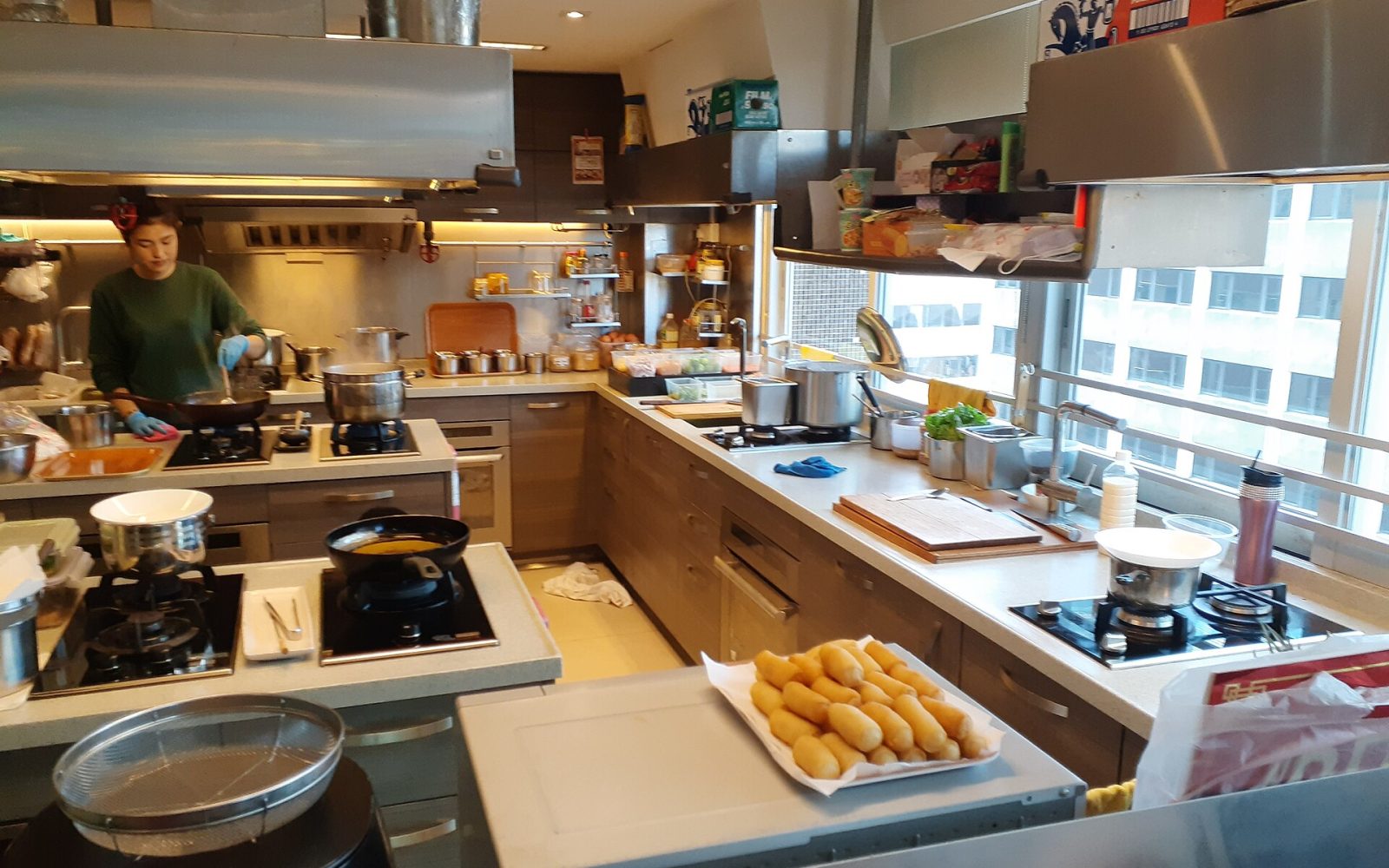
- Food and beverage plants and commercial kitchens where a weekend or overnight shutdown is all that is available — see food and beverage facility coatings.
- Cold stores and freezers, sometimes installed without shutting down refrigeration.
- Retail, healthcare and public buildings needing decorative, low-downtime floors.
- Parking structures, balconies and bridge decks as waterproofing and traffic membranes.
- Road and airfield marking, where cold-plastic MMA line paints are common.
Run a small test batch on site with the actual resin, initiator and slab temperature before the main pour. Timing the gel and walk-on cure tells you far more about crew pacing than the data sheet alone.
Frequently asked questions
How long does an MMA floor take to cure?
Each layer typically cures in about one hour at moderate temperatures, and complete systems are often ready for traffic within a few hours of the final coat. Always confirm with the manufacturer’s data sheet for the temperature on site.
Does the MMA smell linger after cure?
The odor is strongest during application and usually dissipates quickly once the resin has fully cured and the area is ventilated. Residual odor is generally a sign of incomplete cure or trapped vapor.
Can MMA be applied over epoxy?
Sometimes, but compatibility must be confirmed with the manufacturer. Because MMA bonds to existing surfaces mechanically rather than by chemical welding, old coatings must be sound, well abraded and clean.
Is MMA the same as an acrylic sealer?
No. Acrylic sealers are thin films that dry by solvent or water evaporation. MMA systems are reactive resins that polymerize into thick, durable floors and membranes.
Educational reference. Coating performance varies by formulation. Always follow the manufacturer’s product data sheet, safety data sheet and your project specification.