Hand Tool Cleaning
What SSPC-SP 2 hand tool cleaning requires, which tools to use, when it is an appropriate level of preparation, and which coatings can tolerate it.
Key takeaways
- Hand tool cleaning to SSPC-SP 2 removes loose rust, loose mill scale, loose paint and other loose detrimental foreign matter using non-powered tools.
- Tightly adherent material may remain. “Adherent” means it cannot be lifted with a dull putty knife.
- It is the lowest formal level of mechanical preparation and is suited to touch-up, small areas and mild environments.
- Coatings applied over SP 2 surfaces must be surface-tolerant. Many high-performance systems require far better preparation.
- Solvent clean first, and treat scraping or sanding of old paint as a potential lead or other hazardous dust exposure.
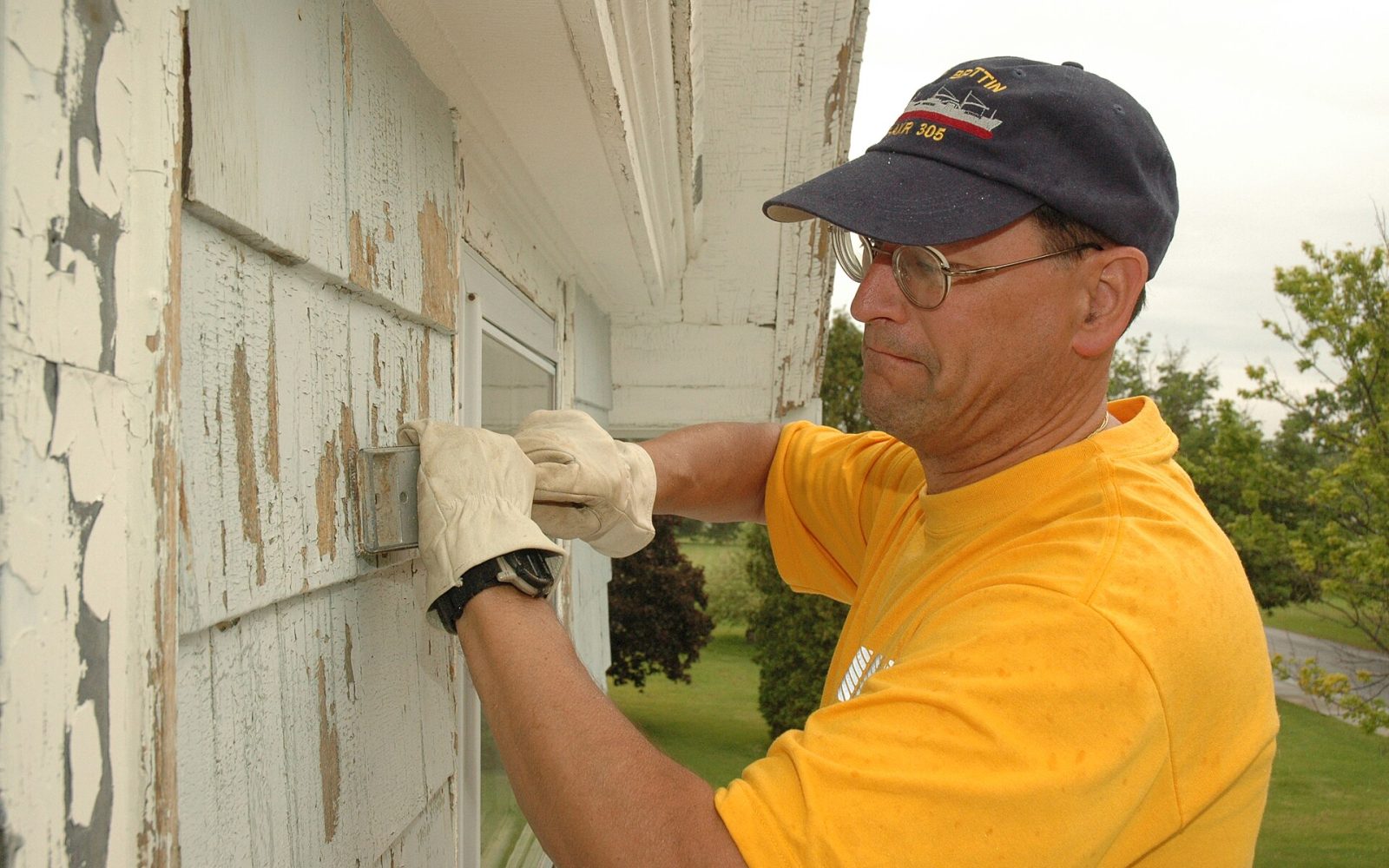
Hand tool cleaning is the removal of loose rust, mill scale, paint and other foreign matter using non-powered tools such as wire brushes, scrapers, chipping hammers and abrasive paper. It is defined in SSPC-SP 2, Hand Tool Cleaning, and corresponds broadly to ISO 8501-1 grade St 2. It is quick, cheap and needs almost no equipment, which makes it common for touch-up and small maintenance jobs. It is also the least thorough form of mechanical preparation, so its limits need to be understood before a coating is chosen.
What SSPC-SP 2 requires
When viewed without magnification, an SP 2 surface must be free of oil, grease, dirt, loose mill scale, loose rust, loose paint and other loose detrimental material. Tightly adherent mill scale, rust and paint may remain. The standard uses a practical test for “adherent”: if material cannot be lifted by a dull putty knife pushed under it, it is considered adherent and can stay.
SP 2 assumes that oil, grease and similar contaminants have already been removed according to SSPC-SP 1 solvent cleaning; hand tools alone smear them rather than remove them. Visual comparison photographs for hand and power tool grades are provided in SSPC-VIS 3, and the broader family of preparation grades is covered in SSPC, NACE and ISO surface preparation standards.
Tools and technique
| Tool | Typical use | Notes |
|---|---|---|
| Wire brush (steel or stainless) | Loose rust, flaking paint, dirt | Use stainless brushes on stainless steel and aluminum to avoid iron contamination |
| Scraper or putty knife | Lifting loose and peeling paint | Keep blades sharp for removal; use a dull knife for the adherence test |
| Chipping hammer or scaling hammer | Thick rust scale, weld slag | Avoid gouging thin sections |
| Abrasive paper, cloth or non-woven pads | Feathering edges, scuff-sanding sound coatings | Choose grit to suit the job; remove sanding dust |
| Files and rasps | Burrs, sharp edges | Rounded edges hold coating better |
| Non-sparking tools (e.g. bronze alloys) | Areas where sparks must be avoided | Use only where the site’s hot-work rules call for them |
- Solvent clean. Remove oil, grease and soil first.
- Remove loose scale. Use a chipping or scaling hammer on stratified rust and weld slag.
- Scrape and brush. Scrape off loose and peeling paint, then wire brush to remove loose rust and residue.
- Test adherence. Probe edges and remaining material with a dull putty knife; remove anything that lifts.
- Feather and scuff. Sand the edges of intact paint to a smooth taper and dull any glossy surrounding coating.
- Clean down. Brush, vacuum or blow off dust with clean, dry air, and wipe off any remaining contamination.
- Coat promptly. Apply a compatible primer before fresh rust forms.
Avoid excessive wire brushing. It does not remove tight rust or mill scale; it polishes them. A burnished, shiny surface can actually reduce the adhesion of the coating that follows.
When hand tool cleaning is appropriate
- Touch-up and spot repair of small damaged areas on otherwise sound coatings.
- Mild environments, such as interiors and low-corrosivity exposures (roughly ISO 12944 C1–C2), where the coating’s demands are modest; see ISO 12944 corrosivity categories.
- Restricted areas where power tools, blasting equipment or compressed air are impractical or prohibited.
- Temporary or interim protection until a full repaint can be scheduled.
- Overcoating, to prepare sound existing coatings by removing loose material and scuff-sanding; see overcoating existing coatings.
Hand tool cleaning is not appropriate for immersion service, severe chemical or marine exposures, zinc-rich primers or most high-performance linings, which need blast cleaning or at least power tool cleaning to bare metal. For the next step up, see power tool cleaning.
How it compares
| Grade | Method | Adherent material left | Profile |
|---|---|---|---|
| SSPC-SP 2 | Hand tools | Yes | None required |
| SSPC-SP 3 | Power tools | Yes | None required |
| SSPC-SP 11 | Power tools to bare metal | Only traces in pit bottoms | At least 1 mil (25 µm) |
SP 2 and SP 3 differ mainly in the tools used and, in practice, the speed and consistency of the result. Neither removes tight rust or mill scale, and neither removes soluble salts from pits.
Choosing a coating for SP 2 surfaces
Coatings for hand-cleaned steel must wet, penetrate and seal the remaining rust and scale, and they must tolerate a surface with little profile. Typical choices include:
- Epoxy mastics and surface-tolerant epoxies formulated for minimally prepared steel.
- Penetrating sealers and low-viscosity primers designed to soak into rust.
- Oil-based and alkyd primers, which wet rusty surfaces well in mild exposures.
Check the minimum surface preparation on the product data sheet, and expect a shorter service life than the same coating would achieve over blast-cleaned steel.
The weak point after hand tool cleaning is usually the remaining rust, not the new coating. Rust left in pits can continue to corrode beneath the film, especially where chlorides are present.
Health and safety
Scraping, wire brushing and dry sanding old paint can release lead, chromium and other hazardous dusts. Many older structures carry lead-based paint, and OSHA’s lead in construction standard, 29 CFR 1926.62, applies to this kind of work in the United States. Test coatings before disturbing them, use wet methods or HEPA vacuums where appropriate and wear suitable respiratory protection; see lead paint hazards. Also wear eye protection and gloves, as wire bristles and paint chips fly. Follow the SDS, your employer’s safety program and local regulations.
Frequently asked questions
Is hand tool cleaning good enough for a new coating?
Only for coatings designed for minimally prepared surfaces and for mild exposures. High-performance and immersion coatings generally require blast cleaning or power tool cleaning to bare metal.
What does “adherent” mean in SSPC-SP 2?
Material is considered adherent if it cannot be lifted with a dull putty knife. Anything that lifts must be removed.
Does hand tool cleaning create a profile?
Not in any meaningful sense. Abrasive paper scratches the surface and helps coatings key in, but SP 2 has no profile requirement.
Educational reference. Coating performance varies by formulation. Always follow the manufacturer’s product data sheet, safety data sheet and your project specification.