Grain Bin and Silo Coatings
Grain bins and silos face corrosion, condensation, abrasion from flowing grain and leaks at seams and roofs. Coatings protect structures and stored product when selected for food contact where needed.
Grain bin and silo coatings are protective coatings used on the interiors, exteriors, roofs and floors of structures that store grain, feed, seed, fertilizer and other bulk agricultural materials. Corrugated galvanized steel bins, bolted steel tanks, welded steel silos and concrete silos all deteriorate over time through corrosion, condensation, abrasion and leaks. Coatings are used to stop leaks, protect steel and concrete, reduce product buildup and extend service life. Where coatings contact stored food or feed, compliance with applicable food-contact rules is essential.
Structure types
Corrugated galvanized steel bins
Common on farms. The zinc coating protects steel but weathers away, especially at bolts, seams and the bin base where moisture collects (see coating galvanized steel).
Bolted and welded steel tanks
Used for feed, fertilizer and commercial storage. May have factory coatings such as glass-fused or powder coatings.
Concrete silos
Stave or cast-in-place concrete silos used for silage and grain. Silage acids attack concrete (see coating concrete).
Hopper bottoms and floors
Cone bottoms and aerated floors face concentrated abrasion and corrosion.
Common problems
- Roof leaks at panel laps, bolts, vents and peak rings.
- Corrosion at the base where the bin meets the foundation, from condensation and grain moisture.
- Condensation on interior walls and roofs as temperatures change.
- Abrasion from grain flow, especially on hopper cones and discharge areas (see erosion and wear of coatings).
- Acid attack in silage silos.
- Fertilizer corrosion, since many fertilizers are highly corrosive to steel and concrete.
- Product buildup on rough surfaces, which can spoil grain.
Coating options
| Location | Typical coating approaches |
|---|---|
| Exterior walls | Galvanizing repair primers, acrylic or polyurethane topcoats |
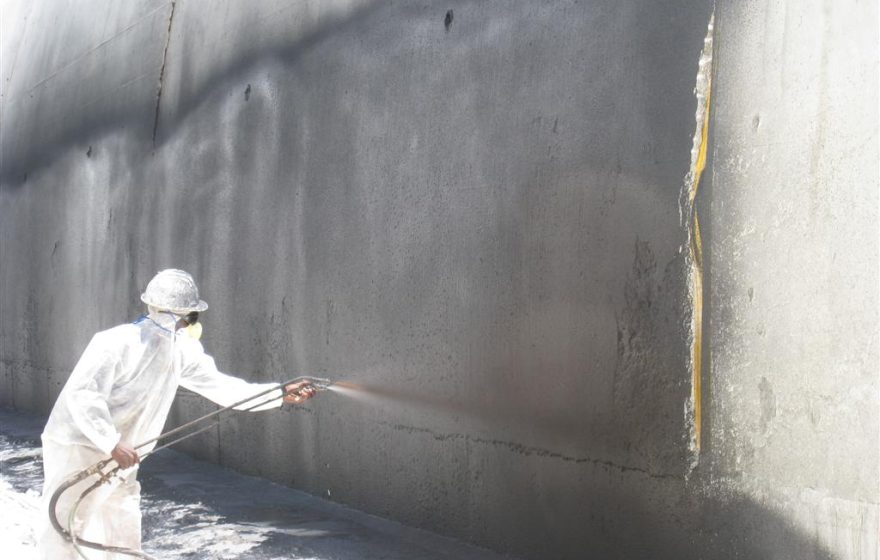
| Roofs and seams | Elastomeric roof coatings, sealants, spray polyurea or polyurethane over seams |
| Interior walls | Abrasion-resistant epoxy or polyurea, where compatible with stored product |
| Hopper cones | Abrasion-resistant elastomers, low-friction linings |
| Base and foundation joint | Sealants and elastomeric coatings to keep water out |
| Silage silos | Acid-resistant linings |
| Fertilizer storage | Chemical-resistant linings selected for the specific product |
Food and feed contact
If a coating contacts grain, feed or ingredients intended for food or feed, it must comply with the relevant regulations in the jurisdiction. In the United States, food-contact coatings are generally formulated to comply with FDA regulations, and many facilities also follow customer and certification requirements. Check the manufacturer’s statement of compliance for the specific product and use (see food and beverage facility coatings). Cure must be complete before the bin is filled.
Surface preparation
- Empty and clean the bin, removing grain residue, dust and mold.
- Remove corrosion with power tool cleaning or blasting as the system requires.
- Wash galvanized steel to remove zinc salts and contaminants (see galvanized steel surface prep).
- Repair loose bolts, damaged panels and seals.
- Prepare concrete to remove laitance and acid-damaged material.
- Dry the surfaces fully before coating.
Application considerations
- Confined space. Bin interiors are permit-required confined spaces in many jurisdictions, with hazards from atmospheres, engulfment and machinery. Follow confined space procedures, lockout and ventilation (see confined space coating).
- Fall hazards. Roofs and ladders require fall protection.
- Weather. Exterior work must fit within temperature and humidity limits.
- Ventilation. Interior coating work requires forced ventilation (see ventilation for coating work).
- Dust explosion risk. Grain dust is combustible; control ignition sources during preparation and coating.
Roof restoration
Bin roofs are a common candidate for coating. Typical steps include cleaning, treating rust, sealing laps and bolts, reinforcing seams with fabric or tape, and applying an elastomeric or spray-applied membrane over the full roof. Reflective topcoats can reduce heat gain.
Inspection and maintenance
- Inspect roofs and bases each year and after storms.
- Look for rust stains, leaks, wet grain and coating wear in flow paths.
- Repair damage before it spreads.
- Record coating work and products for future maintenance (see coating maintenance planning).
In practice
In practice, bin and silo coating work is scheduled when the structure is empty, often between harvests. The interior is cleaned of grain dust and residue, and confined space procedures are followed. Damaged steel or concrete is repaired before preparation and coating. Owners should confirm that any coating that contacts grain or feed is acceptable for that use, and should allow the full cure time before refilling.
Key terms
- Grain bin. A corrugated steel storage structure for grain.
- Silo. A tall storage vessel, often concrete or steel, used for grain, feed or silage.
- Hopper. A sloped bottom that discharges stored material.
- Abrasion zone. The part of a bin most affected by flowing grain.
- Food contact. Coatings in contact with grain or feed may need specific regulatory acceptance.
Frequently asked questions
Can I coat the inside of a grain bin?
Yes, with coatings suitable for the stored product, including food-contact compliance where required, and with confined space precautions.
Why does my bin rust at the bottom?
Moisture condenses and collects where the wall meets the foundation, and grain holds moisture against the steel.
Do coatings help grain flow?
Smooth, low-friction coatings can reduce buildup and aid flow, but results depend on product and coating.
Related entries
- Coating galvanized steel
- Confined space coating
- Food and beverage facility coatings
- Storage tank linings
- Erosion and wear of coatings (new)
- Animal facility floor coatings (new)
Educational reference. Coating performance varies by formulation. Always follow the manufacturer’s product data sheet, safety data sheet and your project specification.